Germany Funds Jet-Drone Interceptors as Ukraine Reports 30% Hit Rate
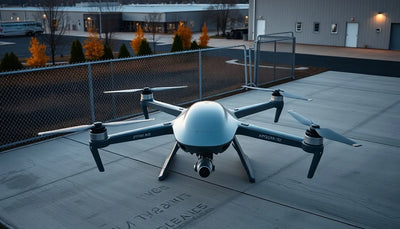
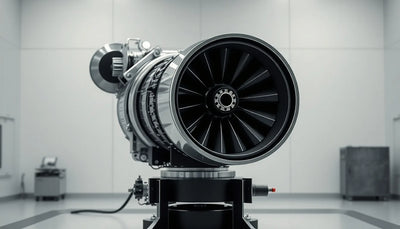
Germany has committed part of a €1.3 billion Kyiv package to mass-producing jet drone interceptors aimed at Russia's jet Shaheds. Ukraine says its best interceptor downs 30% of targets, a data point with real implications for counter-UAS procurement and defense supply chains.

Quick answer
Germany has committed part of a €1.3 billion Kyiv package to mass-producing jet drone interceptors, and Ukraine says its best interceptor downs 30% of jet Shahed targets.
- Germany's Merz arrived in Kyiv with €1.3 billion in support
- Part of the funding targets mass production of jet drone interceptors
- Ukraine reports the best interceptor downs 30% of targets
- The interceptors are aimed at Russia's jet Shahed drones
Evidence: DroneXL.co · AeroVironment unmanned systems solutions · Defense.gov official source
Fleet readiness
Keep DJI hardware available without overbuying new units.
Use defense and fleet news as a planning signal for repair support, inspected pre-owned aircraft, and replacement timing.

Verified facts
What the available evidence confirms
| Metric | Reported Detail |
|---|---|
| Funding package | €1.3 billion from Germany to Kyiv |
| Interceptor target | Russia's jet Shahed drones |
| Reported success rate | 30% of targets downed by best interceptor |
Germany has committed part of a €1.3 billion support package for Kyiv to mass-producing jet drone interceptors aimed at Russia's jet Shahed drones, according to a DroneXL.co report published on October 4, 2026. The report says German leader Friedrich Merz arrived in Kyiv with the funding package, and that Ukrainian President Volodymyr Zelensky stated the best available interceptor downs 30% of targets.
The development is a concrete data point in the rapidly evolving counter-UAS space. A 30% success rate may sound modest, but it matters enormously for defense buyers, fleet planners, and anyone tracking how drone interception technology is being tested and refined under real operational pressure. For the commercial drone market, the story also carries indirect signals about component demand, production capacity, and the growing overlap between military and civilian drone supply chains.
What the Germany-Kyiv interceptor package covers
The DroneXL.co report identifies the central development: Merz arrived in Kyiv with €1.3 billion, part of which is allocated for mass-producing interceptors against Russia's jet Shahed drones. The source does not specify the exact interceptor model, manufacturer, unit cost, or production timeline. What is clear is that the funding is tied to scaling production of a specific counter-UAS capability rather than a one-off prototype or limited trial.
Zelensky's reported statement that the best interceptor downs 30% of targets provides a rare operational benchmark. In counter-UAS terms, a 30% interception rate against fast jet-powered targets is a meaningful figure, but it also highlights the challenge of defending against high-speed, low-cost aerial threats. For procurement officers and defense analysts, this number is a reference point for evaluating interceptor performance, cost-per-kill calculations, and the viability of scaling production.
Why a 30% hit rate matters for counter-UAS planning
A 30% success rate against jet Shahed drones is not a headline-grabbing number, but it is a realistic one. Jet-powered drones are faster and harder to intercept than slower propeller-driven systems, and defenders often need multiple layers of detection, tracking, and engagement to achieve higher kill rates. The reported figure suggests that interceptor technology is working, but that no single system is yet a complete solution.
For commercial operators and fleet managers, the lesson is less about battlefield tactics and more about expectations. Counter-UAS systems, whether used for critical infrastructure protection, airport security, or event airspace management, rarely achieve perfect interception rates. Buyers evaluating counter-drone technology should ask hard questions about success rates against specific threat profiles, not just marketing claims. The Ukraine data point reinforces the importance of layered defense and realistic performance benchmarks.
What this means for drone owners and the market
The interceptor funding is a defense story, but it has commercial ripple effects. Mass production of jet drone interceptors draws on supply chains that overlap with civilian drone manufacturing: propulsion systems, flight controllers, lightweight airframes, sensors, and electronic components. When defense procurement accelerates, it can tighten component availability and shift supplier priorities, which in turn affects lead times and pricing for commercial drone hardware and spare parts.
For pre-owned DJI drone buyers and repair customers, the connection is indirect but real. Defense-driven demand for specialized components can pressure the broader electronics and drone parts market, especially for batteries, motors, and flight control modules. Operators who rely on genuine OEM spare parts or professional DJI repair services may want to monitor supply chain signals more closely. Our Drone Wiki tracks these market dynamics for owners who want to understand how defense procurement and commercial drone availability intersect. For owners evaluating service and lifecycle risk, Drone Wiki explains the relevant repair, parts, resale, or operational path.
The second-hand drone market is also sensitive to shifts in production capacity. If manufacturers redirect engineering resources or component allocations toward defense contracts, consumer and enterprise drone output can slow, which historically supports stronger resale values for inspected pre-owned units. Fleet managers should treat the Germany-Kyiv interceptor program as one more signal that drone supply chains are becoming more contested and more strategically important.
What buyers and operators should watch next
The DroneXL.co report leaves several questions open: which interceptor model is being scaled, how many units the €1.3 billion package will fund, and whether the 30% figure reflects a single engagement type or broader operational data. Those details will matter for anyone modeling counter-UAS economics or tracking defense drone suppliers.
For commercial drone buyers, the practical takeaway is to keep procurement timelines flexible. Defense spending on drone interceptors is unlikely to directly affect consumer drone prices overnight, but sustained investment in counter-UAS production can influence component markets over time. Operators planning fleet expansions or repair work in the next two to four quarters should build in a margin for supply variability and lock in genuine OEM spare parts where possible.
FAQ
Frequently asked questions
What did Germany announce for Ukraine's drone defense?
According to DroneXL.co, Germany's Merz arrived in Kyiv with a €1.3 billion package, part of which is designated for mass-producing jet drone interceptors aimed at Russia's jet Shahed drones.
What success rate does Ukraine report for its best interceptor?
Ukrainian President Volodymyr Zelensky reportedly said the best interceptor downs 30% of targets, according to the DroneXL.co report.
How does this affect commercial drone buyers and repair customers?
Defense-driven demand for drone components can tighten supply chains that overlap with commercial drone manufacturing, potentially affecting lead times and pricing for spare parts, repairs, and pre-owned drone availability.
Which sources support this update?
The visible evidence links identify DroneXL.co and AeroVironment unmanned systems solutions and Defense.gov official source; each source is used only for the claim it directly supports.
What remains subject to change?
Retail pricing, availability, product bundles and regulatory timelines can change. Readers should verify the latest terms with the named retailer, manufacturer or regulator before acting.
How should buyers or operators use this analysis?
Use the verified facts as a starting point, then compare mission fit, lifecycle support, maintenance needs and current procurement terms before making a purchase or fleet decision.
Fuentes consultadas
- DroneXL.co - primary source
- AeroVironment unmanned systems solutions - official company source
- Defense.gov official source - official government source
Reboot Hub Editorial ofrece análisis de compra, reparación, reventa y operatividad para propietarios de drones. Si detecta algún error, contáctenos para solicitar una revisión de corrección conforme a nuestra política editorial.