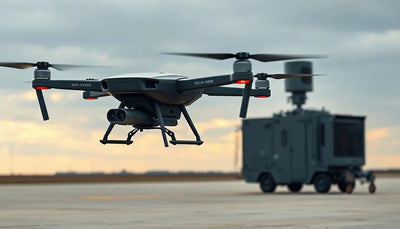
FAA Suspends nuWay Ag Pilot 180 Days Over Heavy-Lift Drone Videos
A commercial agricultural drone operator accepted a 180-day FAA remote pilot suspension after videos showed heavy-lift drones hauling a deer, logs, and a sled. The case highlights how social media footage can trigger enforcement and reshape operator risk planning.

Quick answer
Mike Yoder of nuWay Ag settled for a 180-day FAA remote pilot suspension after videos showed heavy-lift drones hauling a deer, logs, and a sled.
- The suspension was reported by DroneXL.co on October 15, 2026
- The reported activity involved heavy-lift drone operations carrying non-standard loads
- The case shows how publicly shared drone footage can trigger FAA enforcement
- Commercial operators should treat social media posts as potential compliance evidence
Evidence: DroneXL.co · FAA UAS official guidance
Operator checklist
Turn policy news into a safer fleet decision.
Before changing aircraft, compare repair paths, available DJI inventory, and trade-in timing against the rule change.

Mike Yoder, an operator with nuWay Ag, has accepted a 180-day remote pilot suspension from the Federal Aviation Administration, according to reporting by DroneXL.co. The reported settlement follows the circulation of videos showing heavy-lift drones hauling a deer, logs, and a sled, imagery that appears to have drawn regulatory attention and reshaped the enforcement discussion around public drone footage.
The case is a reminder that commercial drone operations now live in a highly visible environment. A single video clip, shared without context, can become the starting point for a compliance review. For fleet operators, repair customers, and anyone buying or selling pre-owned commercial drones, the takeaway is direct: operational behavior captured on camera can carry regulatory consequences long after the flight ends.
The suspension itself is a pilot-level action, not a product recall or a fleet grounding. But the commercial signal is broader. When an established agricultural operator faces a 180-day suspension tied to non-standard heavy-lift activity, the market pays attention to how enforcement is triggered, how evidence is gathered, and what that means for day-to-day flight planning.
What the reported suspension involves
DroneXL.co reported on October 15, 2026, that Mike Yoder of nuWay Ag settled for a 180-day FAA remote pilot suspension. The reporting links the suspension to videos showing heavy-lift drones hauling a deer, logs, and a sled. The source does not provide a formal FAA enforcement order, a docket number, or an official agency statement confirming the specific violations, so the precise regulatory basis remains source-limited.
What is clear is that the imagery itself became central to the case. Heavy-lift drones moving a deer, logs, and a sled are not routine agricultural spray operations. They suggest ad hoc utility work, recreational-style lifting, or demonstration flights that fall outside the typical scope of a commercial ag operation. For a regulator, that kind of footage raises immediate questions about operational authorization, weight limits, flight over people, and whether the activity matched the operator's approved mission profile.
The 180-day suspension is a significant interruption for a working commercial pilot. It removes the individual from the cockpit, so to speak, for half a year. For a small agricultural services business, losing the named remote pilot in command can stall contracts, delay customer work, and force a reassessment of who is qualified to fly the fleet.
Why public drone footage is now a compliance risk
The reported case did not begin with a formal complaint from a client or a ramp inspection. It appears to have been driven, at least in part, by videos that circulated publicly. That is a meaningful shift in how enforcement can start. A decade ago, a rural operator lifting a deer or pulling a sled might have faced little scrutiny. Today, that same activity can be recorded, shared, clipped, and reviewed by people far outside the local aviation community.
For commercial operators, this changes the practical risk calculation. Every flight that is filmed, even casually, becomes a potential record. A short clip posted for marketing, entertainment, or internal team morale can later be viewed as evidence of an unauthorized operation. The nuWay Ag case, as reported, suggests that the FAA is willing to act on publicly available imagery when it appears to show operations outside expected norms.
Operators should treat social media and video-sharing platforms as part of their compliance surface. That does not mean avoiding all public content. It means reviewing what is posted, understanding how a regulator might interpret the footage, and ensuring that any shared video reflects an operation the pilot can defend with documentation.
What this means for drone owners and the market
A pilot suspension tied to heavy-lift activity has direct implications for how commercial drone owners think about asset use and resale value. A drone that has been used for non-standard lifts, even occasionally, may carry a different risk profile than one flown strictly within an agricultural or inspection workflow. Buyers in the pre-owned market increasingly ask about flight history, maintenance records, and whether the aircraft was involved in any enforcement action.
For anyone evaluating inspected pre-owned DJI drones or professional DJI repair options, the enforcement climate matters. A well-documented operational history is becoming a commercial asset. A drone with clean logs, consistent maintenance, and no association with non-standard or unauthorized activity is easier to value, insure, and resell. The nuWay Ag case reinforces that operational discipline is not just a regulatory concern; it is a market factor.
The broader repair and support market also feels the effect. When pilots face suspensions, fleet owners may need to redistribute flight duties, bring in contract pilots, or ground aircraft temporarily. That can shift demand toward maintenance, inspection, and documentation services. Operators who want to protect their equipment investment may find it useful to review their records through resources like the Drone Wiki, which can help clarify ownership, maintenance, and compliance considerations. For owners evaluating service and lifecycle risk, Drone Wiki explains the relevant repair, parts, resale, or operational path.
For fleet managers, the practical step is to audit how drones are being used outside their primary mission. If a heavy-lift platform is on the roster, confirm that every lift is covered by the appropriate authorization, weight documentation, and operational plan. If a pilot is tempted to use a company drone for a personal or demonstration lift, the reported suspension is a clear example of why that decision can carry long-term consequences.
What operators should do differently now
The immediate lesson is to separate approved commercial work from ad hoc lifting activity. Heavy-lift drones are powerful tools, but their use outside a documented operational scope invites scrutiny. Before any non-routine flight, a commercial operator should verify the applicable rules, confirm the aircraft is approved for the load, and decide whether the activity is worth the risk of public exposure.
Documentation is the second priority. If a flight is legitimate, the operator should be able to show it. That includes mission logs, maintenance records, pilot certifications, and any waivers or authorizations. In a world where a video can trigger a review, the operator with clean records is in a far stronger position than the operator who must reconstruct the facts after enforcement begins.
Finally, operators should review their public content. Videos that show impressive heavy-lift capability may generate views, but they also create a record. The reported nuWay Ag suspension is a reminder that the audience for drone footage now includes regulators, insurers, and potential buyers. A careful operator treats every public clip as a compliance document.
FAQ
Frequently asked questions
What happened in the reported FAA suspension case?
Mike Yoder of nuWay Ag reportedly settled for a 180-day FAA remote pilot suspension after videos showed heavy-lift drones hauling a deer, logs, and a sled, according to DroneXL.co.
Does this suspension affect drone hardware or product availability?
No. The reported action is a pilot-level suspension, not a product recall or fleet grounding. However, it may influence how operators document flight history and how buyers evaluate pre-owned commercial drones.
What should a commercial drone operator do after reading this?
Review non-routine flight activity, confirm that heavy-lift operations are properly authorized and documented, and treat any publicly shared drone footage as potential compliance evidence.
Which sources support this update?
The visible evidence links identify DroneXL.co and FAA UAS official guidance; each source is used only for the claim it directly supports.
What remains subject to change?
Retail pricing, availability, product bundles and regulatory timelines can change. Readers should verify the latest terms with the named retailer, manufacturer or regulator before acting.
How should buyers or operators use this analysis?
Use the verified facts as a starting point, then compare mission fit, lifecycle support, maintenance needs and current procurement terms before making a purchase or fleet decision.
Fuentes consultadas
- DroneXL.co - primary source
- FAA UAS official guidance - official regulator source
Reboot Hub Editorial ofrece análisis de compra, reparación, reventa y operatividad para propietarios de drones. Si detecta algún error, contáctenos para solicitar una revisión de corrección conforme a nuestra política editorial.