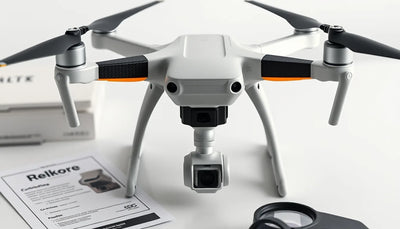
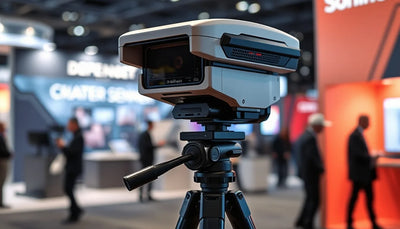
Dronetag Remote ID Data Joins Airwise Nexus Airspace View
Dronetag and Airwise Solutions are integrating Remote ID detections into the Airwise Nexus common operating picture. The partnership aims to give commercial operators a more complete view of low-altitude airspace activity alongside telemetry, radar, and weather data.

Quick answer
Dronetag and Airwise Solutions announced an integration that brings Remote ID detections into the Airwise Nexus common operating picture.
- The integration combines Remote ID data with telemetry, radar, weather, and other operational data.
- Operators gain a more complete view of low-altitude airspace activity.
- The announcement was reported by DRONELIFE on September 1, 2026.
- The partnership targets commercial drone operators and airspace awareness use cases.
Evidence: DRONELIFE · FAA UAS official guidance
Operator checklist
Turn policy news into a safer fleet decision.
Before changing aircraft, compare repair paths, available DJI inventory, and trade-in timing against the rule change.

Dronetag and Airwise Solutions have announced an integration that brings Remote ID detections into the Airwise Nexus common operating picture, according to reporting by DRONELIFE. The partnership is designed to give commercial operators a more complete view of activity in low-altitude airspace by combining Remote ID data with telemetry, radar, weather, and other operational information already available in the Nexus platform.
The announcement matters because Remote ID has become a foundational compliance layer for commercial drone operations in several major markets. When Remote ID detections are folded into a broader airspace awareness tool, the value shifts from simple regulatory compliance toward operational intelligence. Fleet managers, airspace coordinators, and enterprise operators can see more than their own aircraft; they can begin to understand the full traffic environment around them.
What the integration actually changes
Dronetag develops Remote ID hardware and software that broadcasts identification and location data from drones. Airwise Solutions operates the Nexus platform, which aggregates multiple data streams into a common operating picture. By connecting the two, the companies are positioning Remote ID as an input layer rather than a standalone compliance feature.
For a commercial operator, the practical difference is visibility. A pilot or fleet manager using Nexus would no longer need to switch between a Remote ID monitoring tool and a separate airspace awareness display. Instead, detected Remote ID signals from nearby drones can appear alongside weather, radar, and telemetry layers in one view. DRONELIFE describes this as giving operators a more complete view of low-altitude airspace activity.
Reboot Hub analysis suggests the integration reflects a broader trend in commercial drone infrastructure: compliance data is becoming operational data. Remote ID was introduced primarily as a safety and accountability measure, but the same signals can support deconfliction, flight planning, and post-flight review when they are accessible in a unified interface.
Why airspace awareness is becoming a procurement factor
Enterprise drone programs increasingly evaluate software platforms on how well they consolidate operational information. A fleet operator managing multiple aircraft across a worksite, campus, or logistics corridor benefits from knowing what other aircraft are active nearby. Remote ID detections can reveal nearby recreational flights, contractor drones, or unauthorized operations that may affect routing or timing.
The Dronetag and Airwise announcement does not specify pricing, availability, or technical compatibility details. DRONELIFE reports the integration as an announced partnership, and the source does not include confirmation from regulators or independent testing. Operators should treat the announcement as a signal of direction rather than a finished capability review.
Still, the direction is commercially relevant. When airspace awareness platforms incorporate Remote ID as a standard input, procurement teams may begin to expect that capability as a baseline feature. Platforms that cannot ingest Remote ID detections could face questions during enterprise software evaluations, especially in industries where multiple drone operators share low-altitude airspace.
What this means for drone owners and the market
For individual drone owners and smaller commercial operators, the integration points toward a future where Remote ID is not just a broadcast obligation but a participation layer in a shared airspace picture. A pilot flying a Remote ID-equipped aircraft may appear on other operators' awareness displays, just as those operators appear on theirs. That mutual visibility can reduce conflicts and improve coordination in busy environments.
The pre-owned DJI market could feel a secondary effect. Many DJI drones already support Remote ID functionality through firmware updates or built-in broadcast capabilities. As platforms like Airwise Nexus treat Remote ID detections as a standard data source, the operational value of a Remote ID-capable aircraft increases. Buyers evaluating inspected pre-owned DJI drones may want to confirm that Remote ID functionality is active and current, since that feature now feeds into broader airspace awareness tools. For operators who want to understand how Remote ID fits into their fleet planning and repair decisions, the Drone Wiki offers practical reference material on drone systems and ownership. For owners evaluating service and lifecycle risk, Drone Wiki explains the relevant repair, parts, resale, or operational path.
Reboot Hub analysis: Fleet managers should also consider how their own aircraft appear to others. A drone that is not broadcasting Remote ID correctly may be invisible to Nexus users, which could create a safety gap or raise compliance questions during audits. Routine maintenance and repair workflows should include verification of Remote ID broadcast status, especially after firmware changes or component replacements.
What operators should watch next
The announcement leaves several operational questions open. DRONELIFE does not report whether the integration is available immediately, whether it requires specific Dronetag hardware, or how Airwise Nexus handles data retention and access controls. Commercial operators evaluating the platform should ask those questions directly with the vendors.
Regulatory context also matters. Remote ID requirements vary by jurisdiction, and the value of Remote ID detections inside an airspace awareness platform depends on how many nearby aircraft are actually broadcasting. In areas where Remote ID adoption is uneven, the integrated view may be incomplete. Operators should not assume that a unified display captures every aircraft in the vicinity.
Reboot Hub analysis views the Dronetag and Airwise announcement as part of a maturing commercial drone software market. Compliance tools are converging with operational tools, and the companies that connect data layers effectively will shape how enterprise fleets plan and fly. For buyers, the takeaway is to evaluate airspace awareness platforms on data integration depth, not just feature lists.
FAQ
Frequently asked questions
What did Dronetag and Airwise Solutions announce?
Dronetag and Airwise Solutions announced an integration that brings Remote ID detections into the Airwise Nexus common operating picture, according to DRONELIFE reporting.
How does the integration help commercial drone operators?
The integration combines Remote ID data with telemetry, radar, weather, and other operational data, giving operators a more complete view of low-altitude airspace activity in a single platform.
Should drone buyers care about Remote ID integration?
Yes. As Remote ID becomes a standard input for airspace awareness tools, the operational value of a Remote ID-capable aircraft increases, and buyers should verify that Remote ID functionality is active on any pre-owned or fleet drone.
Which sources support this update?
The visible evidence links identify DRONELIFE and FAA UAS official guidance; each source is used only for the claim it directly supports.
What remains subject to change?
Retail pricing, availability, product bundles and regulatory timelines can change. Readers should verify the latest terms with the named retailer, manufacturer or regulator before acting.
How should buyers or operators use this analysis?
Use the verified facts as a starting point, then compare mission fit, lifecycle support, maintenance needs and current procurement terms before making a purchase or fleet decision.
Fuentes consultadas
- DRONELIFE - primary source
- FAA UAS official guidance - official regulator source
Reboot Hub Editorial ofrece análisis de compra, reparación, reventa y operatividad para propietarios de drones. Si detecta algún error, contáctenos para solicitar una revisión de corrección conforme a nuestra política editorial.