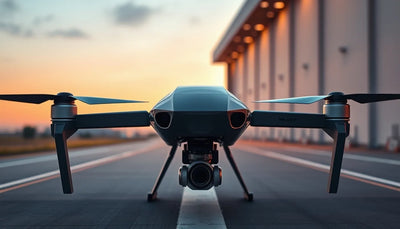
Draganfly & IACLEA Partner to Boost Campus Drone Programs Nationwide
Draganfly has been selected by IACLEA to supply drone systems and training for a new national program helping colleges build compliant campus drone operations. This move signals growing demand for public-safety drone solutions and may influence buying patterns for pre-owned DJI drones used by campus fleets.

The International Association of Campus Law Enforcement Administrators (IACLEA) has selected Draganfly Inc. (NASDAQ:DPRO) as the drone systems provider for a new national initiative: the IACLEA Campus Drone Implementation & Readiness Program. The program is designed to help college and university public safety departments set up drone operations that meet federal regulations while improving emergency response capabilities. For fleet operators, repair customers, and anyone tracking the second-hand drone market, this development signals a steady institutional push toward drone adoption that will likely reshape campus security buying patterns.
What the IACLEA-Draganfly partnership means for campus drone operations
The program directly addresses a common hurdle for campus law enforcement: deploying drones in a way that complies with federal rules while delivering real operational value. Draganfly will provide drone systems, training, and ongoing support to participating schools. This bundled approach matters because standalone hardware purchases often stall when departments lack the regulatory knowledge and pilot training required to keep drones flying legally.
IACLEA’s role as a national coordinator gives smaller campuses access to a structured deployment path they might not achieve alone. The program covers both drone hardware and the compliance framework needed to operate under FAA regulations. For commercial UAV buyers, this model reduces the risk of investing in equipment that ends up grounded due to incomplete training or policy gaps.
Market context
Turn market news into a buy, repair, or trade-in decision.
Compare pre-owned availability, resale timing, and repair economics before the market moves again.

Draganfly’s selection also validates that campus public safety is a growing vertical for drone manufacturers. Unlike one-off sales, a nationwide program with a professional association can create recurring demand for spare parts, maintenance, and eventual fleet upgrades. Repair shops and OEM parts suppliers should note that institutions running structured programs tend to seek genuine components and certified repair services to maintain compliance and insurance coverage.
What this means for drone buyers
If you are a fleet manager or a drone buyer evaluating equipment for a campus security or emergency response role, the IACLEA program offers a useful benchmark. The emphasis on regulatory compliance and training suggests that price alone should not drive procurement decisions—especially when federal oversight is involved.
For buyers looking to enter this space cost-effectively, the pre-owned DJI market offers a compelling option. Many campus programs start with limited budgets, and a well-maintained pre-owned DJI drone—such as a Matrice series platform—can provide the same flight performance and payload compatibility as a new unit at a lower entry point. Facilities that need multiple drones for coverage can stretch their budgets further by mixing new and inspected pre-owned units.
The program also underscores the importance of training and support. Drone buyers should factor in the cost of training hours, maintenance plans, and spare parts availability when building a fleet. Whether you choose new or pre-owned equipment, working with a repair partner that uses genuine OEM spare parts ensures your fleet stays compliant and airworthy. After reading this, any buyer considering a campus deployment should first map out the regulatory pathway and budget for sustainment, not just the initial airframe purchase.
For the second-hand market, institutional programs like this one create a predictable demand cycle. Campuses that upgrade every two or three years will eventually rotate out older units, adding to the supply of pre-owned DJI drones. Operators who plan ahead can acquire these units at attractive prices, provided they verify airframe condition and flight hours. Using a drone trade-in guide can help you understand how to evaluate trade value when upgrading your fleet.
Implications for the second-hand drone market and repair services
Institutional buying programs like the IACLEA initiative tend to favor structured procurement. Schools that join the program will likely purchase Draganfly systems, but the broader campus security market—including those not in the program—will still consider other platforms. DJI’s enterprise drones, particularly the Matrice 30 and 300 series, have long been popular with public safety agencies. As these units age out of primary fleets, they enter the pre-owned market, where smaller departments and operators can acquire them at reduced costs.
Fleet operators should watch for increased supply of used DJI enterprise drones over the next two to three years. Campuses that adopt structured programs may trade in older units when upgrading to newer models. Repair customers benefit from this cycle because well-maintained used drones often need only minor refurbishment—a battery replacement, a firmware update, a gimbal recalibration—to return to service. Professional DJI repair services that use genuine OEM parts become essential for keeping these pre-owned units reliable and insurable.
For spare parts suppliers, the campus security vertical represents steady demand. Public safety fleets cannot afford downtime, so they require readily available components such as propellers, batteries, and sensor payloads. The IACLEA program’s focus on training also means that pilots will become more proficient, reducing accidental damage rates but increasing wear on high-usage parts like motors and gimbals. Genuine OEM spare parts remain the safest choice for mission-critical operations where a failure could compromise a response.
One concrete takeaway for repair professionals: expect more campus-based repair contracts as programs scale. Departments that participate in the IACLEA program will need local or mail-in repair partners who understand FAA compliance documentation and can provide quick turnaround. Offering a service package that includes pre-flight inspections, battery diagnostics, and firmware updates will appeal to these institutional clients.
Broader market trends and operator strategy
The Draganfly-IACLEA partnership fits a larger pattern of professional associations driving drone adoption through structured programs. Rather than each campus navigating FAA rules and vendor selection independently, IACLEA provides a vetted pathway. This approach reduces fragmentation and creates a more predictable market for manufacturers and service providers.
For operators who already fly for campus security, this program signals that the industry is maturing. Standardisation of training and compliance will likely raise the bar for all operators—anyone flying on a campus may eventually be expected to meet similar standards to those outlined by IACLEA. If you are a freelance pilot or a small service company, consider aligning your training and documentation with the IACLEA framework to remain competitive for campus contracts.
Pre-owned DJI drones will continue to play a role in this ecosystem. Campus programs that cannot immediately afford new Draganfly systems may turn to used enterprise DJI platforms as an interim solution. Operators who maintain their pre-owned fleets with professional repairs and OEM parts can position themselves as reliable partners for schools looking to augment their fleets.
The financial impact on Draganfly’s stock—the source that originally reported this news via Yahoo—is secondary to the operational reality: a nationwide campus drone program creates a new tier of demand. Repair services, spare parts distributors, and pre-owned drone sellers all have a stake in how this program evolves. Monitoring IACLEA announcements and Draganfly’s expansion will help you anticipate when campus fleets upgrade or rotate out equipment.
Finally, any drone buyer or fleet manager should revisit their trade-in strategy. As institutional programs mature, trade-in values for older enterprise drones may shift. Using a pre-owned DJI drones source to evaluate current market prices for used Matrice or Phantom 4 RTK units can help you decide whether to sell now or hold for campus demand. For those considering an upgrade, a structured trade-in plan ensures you capture maximum value before depreciation accelerates.
What exactly is the IACLEA Campus Drone Implementation & Readiness Program?
It is a nationwide initiative launched by the International Association of Campus Law Enforcement Administrators in partnership with Draganfly. The program helps college and university public safety departments deploy drone systems that comply with federal regulations, with Draganfly providing the hardware, training, and ongoing support.
How can a small campus afford to start a drone program under this initiative?
The program’s bundled approach may reduce overall cost compared to buying a drone and separately arranging training and compliance. For campuses with limited budgets, starting with a pre-owned DJI enterprise drone can lower the initial investment. Pairing that with professional repair and genuine spare parts can keep operational costs predictable while maintaining reliability.
Will this program affect the pre-owned DJI drone market?
Yes, indirectly. As more campus fleets are established and eventually upgraded, older DJI enterprise models—such as the Matrice series—will enter the second-hand market. Operators and smaller departments can benefit from this increased supply, provided they inspect each unit carefully and budget for professional repairs using OEM components.