DJI Launches Osmo 360 II Camera with 1-Inch Sensor
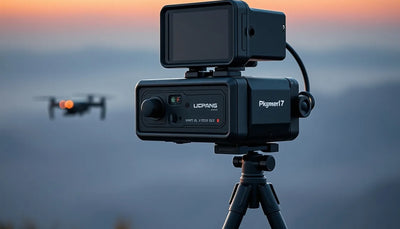
DJI has announced the Osmo 360 II, a 360-degree camera built around a 1-inch sensor, according to a finance.biggo.com report. The launch signals continued DJI investment in imaging hardware that overlaps with commercial drone workflows, aerial documentation, and inspection capture.

Quick answer
DJI has launched the Osmo 360 II, a 360-degree camera featuring a 1-inch sensor, according to a report from finance.biggo.com.
- The Osmo 360 II is a 360-degree camera, not a drone model
- The camera is reported to use a 1-inch sensor
- The launch was covered by finance.biggo.com via Google News DJI
- The announcement signals continued DJI investment in imaging hardware
DJI has introduced the Osmo 360 II, a new 360-degree camera built around a 1-inch sensor, according to a report published by finance.biggo.com and surfaced through Google News DJI. The announcement adds another imaging product to DJI's expanding hardware portfolio at a moment when commercial operators are paying close attention to how camera technology, drone payloads, and content capture workflows intersect.
DJI buying context
Match product news to hardware you can actually deploy.
Check inspected DJI aircraft, repair support, and trade-in timing before deciding whether to upgrade, repair, or wait.

The Osmo 360 II is not a drone. It is a standalone 360-degree camera positioned within DJI's Osmo line, which has historically served creators, documentarians, and inspection teams that need stabilized, high-resolution capture. For drone buyers and fleet operators, the relevance is indirect but real: DJI's camera development cycles often preview sensor, stabilization, and processing advances that later appear in aerial imaging systems. A 1-inch sensor in a 360-degree form factor suggests DJI is pushing imaging quality in compact hardware, a trend that matters for anyone planning multi-year equipment purchases.
What the source actually confirms
The source data for this report is limited. The central claim, drawn from a finance.biggo.com summary, is that DJI has launched the Osmo 360 II and that the device features a 1-inch sensor. No additional technical specifications, pricing, availability dates, or compatibility details were included in the source material. Reboot Hub has not independently verified operational details such as resolution, frame rates, stabilization modes, battery life, or software integration.
This matters because product launch coverage often circulates with speculative specifications attached. Operators evaluating new DJI hardware should treat the 1-inch sensor detail as the only confirmed hardware characteristic from the named source. Broader interpretation of what the Osmo 360 II means for DJI's product strategy is Reboot Hub analysis, not sourced reporting.
Why camera launches matter for commercial drone operators
DJI's imaging hardware investments rarely stay confined to a single product category. The company has a track record of transferring sensor, processing, and stabilization technology across its consumer, prosumer, and enterprise lines. A 360-degree camera with a 1-inch sensor indicates continued emphasis on larger sensor formats, which typically deliver better low-light performance, wider dynamic range, and cleaner output for inspection and documentation work.
For fleet managers and commercial pilots, this launch is a signal to watch, not an immediate procurement trigger. Teams that use drones for site mapping, infrastructure inspection, or asset documentation often maintain separate ground-based cameras for close-up capture. If DJI's 360-degree imaging improves, it could reduce the need for multiple ground cameras or simplify documentation workflows where spherical imagery is required. However, without verified specifications, any operational recommendation would be premature.
What this means for drone owners and the market
The pre-owned DJI market tends to respond to product launches in predictable ways. When DJI releases a new camera or drone, some owners sell older equipment to fund upgrades, which can temporarily increase supply in the second-hand market. At the same time, new hardware announcements reinforce the perception that DJI equipment holds value over time, particularly when the underlying technology improves incrementally rather than disruptively.
For buyers considering pre-owned DJI drones, the Osmo 360 II launch does not directly change drone pricing or availability. It does, however, confirm that DJI remains an active, well-capitalized hardware developer. That matters for anyone weighing whether to invest in a DJI ecosystem versus a competing platform. For operators who already own DJI drones and need support, the expansion of DJI's product line also means repair networks and parts suppliers must keep pace with a broader range of hardware. Readers assessing the broader repair and resale landscape can review this analysis of DJI's competitive position in the sub-250g drone segment: Dji S Grip Slips New Sub 250g Rival Debuts With 1 1 3 Inch Sensor And 4k60 What Pilots Need To Know. For owners evaluating service and lifecycle risk, DJI S Grip Slips New Sub 250g Rival Debuts With 1 1 3 Inch Sensor And 4k60 What Pilots Need To Know explains the relevant repair, parts, resale, or operational path.
From a repair and spare parts perspective, a new camera product does not immediately affect drone repair demand. But it does reinforce a broader pattern: DJI hardware evolves quickly, and operators who delay maintenance or postpone replacement decisions can find themselves managing aging equipment while newer imaging standards emerge. The practical takeaway for fleet managers is to keep maintenance schedules current and to evaluate whether existing camera payloads still meet client expectations for image quality.
What buyers and operators should do differently
The most sensible response to this launch is patience paired with documentation. Buyers who were already planning to purchase a DJI drone or camera should not change course based on this announcement alone. The Osmo 360 II is a distinct product category from drones, and its launch does not render current drone models obsolete.
Operators who use 360-degree imagery in their workflows, whether for real estate documentation, construction progress tracking, or virtual site tours, should monitor DJI's official channels for confirmed specifications. If the 1-inch sensor delivers meaningful improvements in image quality, it could justify adding a ground-based 360 camera to complement aerial capture. Until DJI publishes full specifications and pricing, procurement teams should treat this as a watch item rather than an approved purchase.
For repair customers and pre-owned buyers, the launch is a reminder that DJI's hardware ecosystem continues to expand. That expansion supports long-term parts availability and service options, but it also means buyers should verify that any used equipment they purchase has a clear service history and genuine OEM components. The best decision after this news is to stay informed, avoid impulsive upgrades, and keep existing equipment well-maintained while the market digests the announcement.
FAQ
Frequently asked questions
Is the DJI Osmo 360 II a drone?
No. The Osmo 360 II is a 360-degree camera in DJI's Osmo product line, not a drone model. The source report describes it as a standalone camera with a 1-inch sensor.
What is the key confirmed specification of the Osmo 360 II?
The only hardware detail confirmed by the named source is the 1-inch sensor. Additional specifications such as resolution, frame rates, battery life, and pricing were not included in the source data.
Should drone operators buy the Osmo 360 II immediately?
Not based on this announcement alone. Operators who use 360-degree imagery should wait for DJI to publish full specifications and pricing before making a procurement decision. The launch does not directly affect drone pricing or availability.
Which sources support this update?
The article distinguishes reported information from analysis and does not present an unverified source as official confirmation.
What remains subject to change?
Retail pricing, availability, product bundles and regulatory timelines can change. Readers should verify the latest terms with the named retailer, manufacturer or regulator before acting.
How should buyers or operators use this analysis?
Use the verified facts as a starting point, then compare mission fit, lifecycle support, maintenance needs and current procurement terms before making a purchase or fleet decision.
Fuentes consultadas
- finance.biggo.com via Google News - primary source
No había documentación oficial adicional disponible al momento de la publicación.
Reboot Hub Editorial ofrece análisis de compra, reparación, reventa y operatividad para propietarios de drones. Si detecta algún error, contáctenos para solicitar una revisión de corrección conforme a nuestra política editorial.