College Student's 500 MPH Jet Drone: FAA Rules & Market Impact
A college student claims to have built a 500 mph jet drone in his dorm room, but the FAA rulebook says it should never have flown. We analyze the regulatory and second-hand market implications for drone buyers and fleet operators.

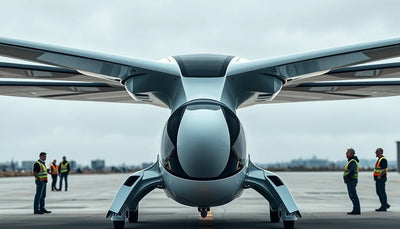
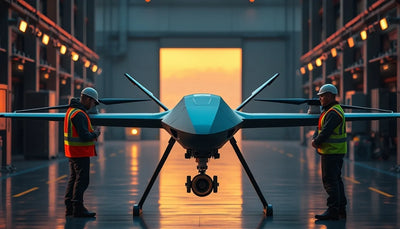
According to a report by DroneXL.co, a college student has claimed to have built a jet-powered drone capable of reaching 500 miles per hour—inside his dorm room. The same report notes that the FAA rulebook indicates such an aircraft should never have been allowed to fly. While the story borders on the unbelievable, it highlights a persistent tension in the drone industry: the gap between what hobbyists can build and what regulations permit. For commercial operators, fleet managers, and buyers in the pre-owned market, the implications are more concrete than the headline suggests.
The student’s claim underscores a broader reality: high‑speed drone builds are becoming more accessible, even as regulators struggle to keep pace. The FAA’s existing rules limit most small unmanned aircraft to a maximum ground speed of 100 miles per hour under Part 107, with additional restrictions on operations over people and beyond visual line of sight. A 500‑mph jet drone, if it truly flew, would have violated multiple federal airspace regulations—and would have done so from a student dormitory. This raises the question of how the drone industry, especially the second‑hand market, should treat unregistered, uncertified, or borderline‑legal aircraft.
The gap between hobbyist ambition and FAA compliance
The source article explicitly states that the FAA rulebook says the drone should never have flown. While no specific regulation is named in the report, the implication is clear: the drone likely lacked an airworthiness certificate, a remote identification broadcast module, and compliance with operational speed limits. For commercial fleet operators, this should serve as a reminder that even the most impressive engineering feats cannot bypass federal airspace rules. The FAA has long maintained that all unmanned aircraft operating in the National Airspace System must be airworthy and registered, regardless of who builds them.
Market context
Turn market news into a buy, repair, or trade-in decision.
Compare pre-owned availability, resale timing, and repair economics before the market moves again.

From a practical standpoint, this means that any drone—homebuilt or factory‑produced—that exceeds the parameters of its registration or operational waiver is operating illegally. For buyers browsing the pre‑owned market, this is a crucial consideration. A drone that was modified or assembled from aftermarket parts may not have the necessary documentation to prove it was ever compliant. Fleet managers should ensure that every aircraft in their inventory has a clear chain of compliance, from original purchase to any upgrades or repairs.
What this means for drone buyers
For anyone considering purchasing a used drone—especially one that appears to have been modified for speed or payload—the student’s story is a cautionary tale. A 500‑mph jet drone might make for an impressive online video, but it has no place in a commercial fleet or even a responsible hobbyist’s hangar. Buyers should prioritize aircraft that come with verifiable registration, a Remote ID module, and a history of compliant operation. Reputable sellers, such as those offering pre-owned DJI drones, typically inspect each unit to ensure it meets current regulations before listing it for sale.
Additionally, buyers should be wary of any drone that has been modified in ways that cannot be reversed or documented. The FAA’s enforcement actions are increasingly targeting unregistered and non‑compliant aircraft, and penalties can include steep fines and the seizure of the drone. For that reason, it is safer to purchase from a dealer that provides a clear paper trail and a compliance guarantee. The commercial drone market thrives on trust, and unverified homemade builds—no matter how fast—carry too much legal risk for most operators.
How the second‑hand market could absorb the impact
Incidents like this one tend to have a subtle but real effect on the pre‑owned drone market. When a high‑profile case of non‑compliance appears in the news, it can increase buyer caution and sometimes depress prices for non‑branded or heavily modified aircraft. Conversely, it can reinforce demand for professionally maintained and documented pre‑owned equipment. Operators who trade in old drones through a structured drone trade-in guide can help ensure that their equipment is properly retired or resold with the right paperwork.
Fleet maintenance decisions also come into play. If a drone is repaired using non‑genuine parts, its compliance status can become murky. For example, replacing a motor with a higher‑kv version might push the aircraft over its certified speed or noise limits. The student’s jet drone is an extreme example, but the principle applies to any modification: if the repair or upgrade affects flight characteristics, the operator must verify that the drone remains within the parameters of its original type certification or operational waiver. For most commercial operators, sticking with OEM‑sourced components and professional DJI repair services is the safest path to maintaining compliance.
Enforcement challenges and operator responsibility
The FAA rulebook that the student supposedly bypassed exists for a reason: safety. A 500‑mph jet drone in a residential area or near an airport would pose an unacceptable risk to people and property. Yet enforcing those rules against a single college student building in a dorm room is nearly impossible without a complaint or visible incident. This highlights a systemic challenge: as drone building becomes cheaper and more powerful, the burden of compliance increasingly falls on the operator—and on the secondary market that resells their equipment.
Operators should view this story as a prompt to audit their own fleets. Are all drones registered? Do they broadcast Remote ID? Have any modifications been made that might push the aircraft outside its certified envelope? For buyers, the lesson is straightforward: when shopping for a used drone, ask for documentation. A clean compliance history is worth more than any speed record. The pre‑owned DJI market remains a reliable source of aircraft that meet FAA standards, precisely because those aircraft are inspected and re‑certified before they reach a new owner.
Frequently asked questions
Is it legal to build a drone as fast as 500 mph in the United States?
Current FAA regulations limit small unmanned aircraft to a maximum ground speed of 100 mph under Part 107, unless an operational waiver is obtained. A 500‑mph jet drone would almost certainly violate those limits and would require an unreasonably broad waiver that is unlikely to be granted for recreational or commercial purposes.
Can the FAA actually track or enforce speed limits on homemade drones?
Enforcement is difficult without remote identification or a direct complaint. However, the FAA can impose significant fines and legal penalties if a non‑compliant drone is identified through an incident, radar detection, or public report. Operators should not assume that a homemade build will go unnoticed.
What should I check before buying a used drone that may have been modified?
Request the drone’s FAA registration certificate, proof of Remote ID compliance, and a detailed list of any modifications or repairs. If the seller cannot provide clear documentation, consider purchasing from a reputable dealer that inspects and certifies each pre‑owned unit before sale.
Fuentes consultadas
- Google News - primary source
No había documentación oficial adicional disponible al momento de la publicación.
Reboot Hub Editorial ofrece análisis de compra, reparación, reventa y operatividad para propietarios de drones. Si detecta algún error, contáctenos para solicitar una revisión de corrección conforme a nuestra política editorial.