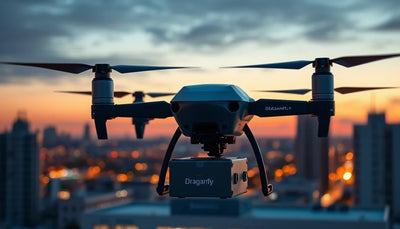
US Army felter 1.900 droner mod faldskærmstropper i Tyskland
Sabre Junction 26-øvelsen satte 173rd Airborne imod en modstanderstyrke, der stillede op med 1.900 droner og nye jammere, få dage efter at hæren skar sin dronebataljon. Skiftet signalerer, hvor hurtigt moddronetrykket omformer forsvars- og kommerciel flådetænkning.

Hurtigt svar
Den amerikanske hærs Sabre Junction 26-øvelse i Tyskland opstillede en modstanderstyrke med 1.900 droner og nye jammere mod den 173. luftbårne, ifølge DroneXL.co-rapporten.
- Øvelsen fandt sted omkring en uge efter, at hæren angiveligt dræbte sin dronebataljon.
- Den modsatte styrke brugte store små droner og elektronisk jamming mod faldskærmstropper.
- Udviklingen fremhæver den stigende interesse for mætningstaktikker og elektronisk krigsførelse med moddrone.
- Kommercielle droneoperatører kan se hurtigere afsmitning af jamming og mod-UAS-koncepter til civil luftrumsplanlægning.
Beviser:DroneXL.co·AeroVironment ubemandede systemløsninger·DIU Blå UAS
Fleet readiness
Keep DJI hardware available without overbuying new units.
Use defense and fleet news as a planning signal for repair support, inspected pre-owned aircraft, and replacement timing.

Den amerikanske hærs Sabre Junction 26-øvelse i Tyskland placerede den 173. luftbårne mod en modstanderstyrke, der angiveligt stillede op med 1.900 droner og nye jamming-systemer, ifølge rapportering fra DroneXL.co. Øvelsen, der blev dækket den 27. august 2026, skiller sig ikke kun ud for omfanget af dronetilstedeværelsen, men også for dens timing: den kom omkring en uge efter, at hæren flyttede for at eliminere sin dedikerede dronebataljon.
For kommercielle droneoperatører, flådeforvaltere og købere, der ser forsvarssektoren, er øvelsen et nyttigt signal. Militær dronemætning og elektronisk krigsførelse har en tendens til at filtrere ind i civil luftrumsplanlægning, mod-UAS-politik og hardwareefterspørgsel over tid. Sabre Junction-scenariet antyder, at sammensatte små droner og jamming ikke længere er eksperimentelle tilføjelser, men centrale elementer i moderne force-on-force træning.
Hvad Sabre Junction 26-øvelsen faktisk viser
Sabre Junction er en tilbagevendende storstilet træningsevent afholdt i Tyskland, designet til at teste beredskab og interoperabilitet på brigadeniveau. I 2026-iterationen brugte den modsatte styrke cirka 1.900 droner mod den 173. luftbårne sammen med nyt jamming-udstyr, ifølge DroneXL.co-rapporten. Øvelsen placerede faldskærmstropper under pres fra en tæt, distribueret dronetrussel frem for et lille antal ubemandede systemer af høj værdi.
Den operationelle implikation er betydelig. En styrke med næsten to tusinde små droner kan overvælde traditionelt luftforsvar, komplicere kommunikation og tvinge jordenheder til at bruge tid og ressourcer på kontradroneopgaver. For forsvarsplanlæggere lyder øvelsen som en stresstest af, hvordan konventionelle infanteriformationer reagerer, når luftrummet over dem udfordres af billige, talrige og svært sporbare systemer.
Reboot Hub-analyse: omfanget af drone-antallet betyder mere end de specifikke flyskrog eller jamming-modeller, som kilden ikke beskriver. Massede små droner ændrer forsvarets økonomi. En enkelt dyr interceptor eller jammer kan håndtere en eller nogle få trusler, men mætning flytter byrden mod elektronisk krigsførelse, rettet energi og passive modforanstaltninger, der kan engagere mange mål på én gang.
Hvorfor timingen betyder noget efter dronebataljonens beslutning
Sabre Junction 26-øvelsen fandt sted omkring en uge efter, at hæren dræbte sin dronebataljon, som nævnt i DroneXL.co-rapporten. Sammenstillingen er slående. På den ene side reducerer hæren en dedikeret droneenhed. På den anden side er det træning mod en modstanderstyrke, der bruger droner i en skala langt ud over, hvad de fleste konventionelle enheder i øjeblikket anvender.
Dette betyder ikke nødvendigvis, at hæren opgiver droner. Det kan afspejle et skift i, hvordan dronekapacitet er fordelt. I stedet for at koncentrere ubemandede systemer i en enkelt bataljon, bevæger hæren sig muligvis mod at skubbe droner, kontradroneværktøjer og elektronisk krigsførelse ned til mindre enheder, der har brug for dem i direkte kamp. Sabre Junctions modstandsstyrke, med dens store droneantal og jammere, kunne repræsentere den slags distribuerede trussel og distribueret respons, som hæren forventer i fremtidige kampe.
For kommercielle observatører er lektionen, at dronekapacitet er ved at blive en generel tilstand på slagmarken i stedet for et specialiseret missionssæt. Det har konsekvenser for indkøb, uddannelse og de typer kontradroneudstyr, som forsvarskøbere vil søge i de kommende år.
Hvad det betyder for droneejere og markedet
Forsvarsøvelser som Sabre Junction ændrer sjældent civile dronemarkeder fra den ene dag til den anden, men de former langsigtede efterspørgselssignaler. Når militære træner mod massefyldte små droner, fremskynder de investeringer i detektion, identifikation og elektroniske modforanstaltninger. Noget af denne teknologi når til sidst civile lufthavne, stadioner, kritiske infrastrukturområder og store virksomhedscampusser. Dronekøbere og flådeoperatører bør forvente, at mod-UAS-pres bliver en mere almindelig del af luftrumsplanlægningen, især i bymiljøer og miljøer med høj sikkerhed.
brugt DJI-markedet kan føle indirekte virkninger. Hvis forsvars- og sikkerhedskøbere flytter opmærksomheden mod kontradronesystemer og elektronisk krigsførelse, fortsætter det kommercielle marked for små kamera- og inspektionsdroner på sin egen bane, drevet af virksomhedsadoption, medieproduktion og infrastrukturinspektion. Men enhver regulerings- eller sikkerhedsstramning inspireret af militære dronemætningsscenarier kan påvirke, hvor og hvordan civile droner flyves. Operatører, der flyver i nærheden af følsomme steder eller i kontrolleret luftrum, bør holde øje med udviklende mod-UAS-regler og midlertidige flyrestriktioner formet af disse bekymringer.
For reparationskunder og flådeforvaltere er øvelsen en påmindelse om, at droner, der opererer i omstridte eller interferenstunge miljøer, står over for højere fejlprocenter. Jamming, GPS-forstyrrelser og elektronisk interferens kan forårsage uventede landinger, fly-aways eller sensorfejl. Operatører, der arbejder i industrielle eller tilstødende sikkerhedsindstillinger, bør planlægge hyppigere diagnosticering, firmwaretjek og komponentinspektioner. En velholdt flåde med adgang til originale OEM-reservedele bliver mere værdifuld, når driftsforholdene bliver mindre forudsigelige. For dem, der administrerer brugt DJI-udstyr, er forståelsen af, hvordan interferens påvirker flyveadfærd en del af ansvarlig flådeplanlægning, og ressourcer som Drone Wiki kan hjælpe operatører med at opbygge den tekniske baseline. For ejere, der vurderer service og livscyklusrisiko,Drone Wikiforklarer den relevante reparation, dele, videresalg eller driftsvej.
Den praktiske takeaway for en køber eller pilot er ligetil: antag ikke, at militær droneudvikling bliver på slagmarken. Mætningstaktikker og jamming-koncepter påvirker civil luftrumssikkerhed, forsikringsgaranti og virksomhedsregler. En droneoperatør, der forstår retningen af mod-UAS-tænkning, vil træffe bedre beslutninger om, hvor den skal flyve, hvordan man vedligeholder udstyr, og hvornår man skal investere i mere modstandsdygtige platforme.
Det kommercielle signal bag militær dronemætning
Sabre Junction 26-øvelsen er ikke en produktlancering eller en regulatorisk afgørelse, men det er et markedssignal. Det viser, at forsvarsinstitutioner behandler små droner som et volumenproblem, ikke en nichekapacitet. Denne tankegang har en tendens til at skabe efterspørgsel efter billige, forbrugsvenlige platforme på den ene side og robuste moddronesystemer på den anden.
For kommercielle dronevirksomheder skaber dette en dobbelt mulighed. Producenter, der kan producere pålidelige, billige flyskrog, kan finde forsvars- og sikkerhedskøbere, der er interesserede i kvantitet. Samtidig kan virksomheder, der arbejder med detektion, jamming, spoofing og elektronisk beskyttelse, opleve stigende interesse fra både militære og civile infrastrukturklienter. Brugt- og reparationsmarkedet ligger midt imellem: efterhånden som flere droner flyver i krævende miljøer, vokser behovet for vedligeholdelse, reservedele og pålidelige renoveringsveje.
Kilden giver ikke specifikke modelnavne, jamming-frekvenser eller indkøbstal, så operatører bør behandle tallet på 1.900 droner som en rapporteret træningsparameter frem for en verificeret teknisk specifikation. Alligevel er retningen klar. Dronemætning bevæger sig fra koncept til træningsvirkelighed, og det kommercielle marked vil mærke ringvirkningerne i sikkerhedspolitik, luftrumsstyring og udstyrsforventninger.
Ofte stillede spørgsmål
Ofte stillede spørgsmål
Hvad skete der ved Sabre Junction 26?
Ifølge DroneXL.co indeholdt den amerikanske hærs Sabre Junction 26-øvelse i Tyskland en modstanderstyrke, der stillede op med 1.900 droner og nye jammere mod den 173. luftbårne. Øvelsen fandt sted omkring en uge efter, at hæren angiveligt havde elimineret sin dronebataljon.
Hvorfor betyder det noget, at hæren skærer sin dronebataljon?
Timingen tyder på, at hæren muligvis flytter drone- og moddronekapacitet væk fra en enkelt dedikeret enhed og fordeler den på tværs af mindre formationer. Sabre Junction-øvelsen viser, at droner bliver brugt i stor skala af en modstanderstyrke, hvilket kan afspejle den slags trussel, hæren forventer at stå over for.
Hvordan kan dette påvirke kommercielle droneoperatører?
Militære dronemætning og jamming-koncepter påvirker ofte civile mod-UAS-politik, luftrumsrestriktioner og efterspørgsel efter sikkerhedsteknologi. Kommercielle operatører kan se flere mod-drone-foranstaltninger nær følsomme steder og bør planlægge for interferensrelateret vedligeholdelse og flyveplanlægningsudfordringer.
Hvilke kilder understøtter denne opdatering?
De synlige bevislinks identificerer DroneXL.co og AeroVironment ubemandede systemløsninger og DIU Blue UAS; hver kilde bruges kun til den påstand, den direkte understøtter.
Hvad kan ændres?
Detailpriser, tilgængelighed, produktpakker og regulatoriske tidslinjer kan ændre sig. Læsere bør bekræfte de seneste vilkår hos den navngivne forhandler, producent eller regulator, før de handler.
Hvordan skal købere eller operatører bruge denne analyse?
Brug de bekræftede fakta som udgangspunkt, og sammenlign derefter mission fit, livscyklussupport, vedligeholdelsesbehov og aktuelle indkøbsvilkår, før du træffer et køb eller en flådebeslutning.
Konsulterede kilder
- DroneXL.co - primary source
- AeroVironment unmanned systems solutions - official company source
- DIU Blue UAS - official government source
Reboot Hub Editorial tilføjer analyse af køb, reparation, gensalg og drift for droneejere. Hvis du finder en fejl, bedes du kontakte os for en korrekturgennemgang i henhold til vores redaktionelle politik.