Tokyo Camera Store Adds Hands-On Drone Testing to Retail Floor
A Tokyo camera retailer is letting shoppers test a Hasselblad and fly a DJI drone in-store, according to DIY Photography. The hands-on format points to a broader shift in how drone buyers evaluate hardware before purchase, with implications for pre-owned market confidence.

Quick answer
A Tokyo camera store is letting customers test a Hasselblad camera and fly a DJI drone in-store, according to DIY Photography.
- The store combines high-end camera demos with hands-on drone flight testing.
- The report highlights a retail shift toward experiential evaluation for drone buyers.
- Hands-on testing may reduce purchase uncertainty for first-time commercial operators.
- The trend could support confidence in the pre-owned DJI market as buyers learn hardware condition standards.
Evidence: DIU Blue UAS
Market context
Turn market news into a buy, repair, or trade-in decision.
Compare pre-owned availability, resale timing, and repair economics before the market moves again.

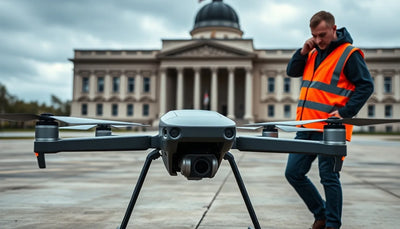
A Tokyo camera store has introduced a retail format that lets shoppers test a Hasselblad camera and fly a DJI drone on the sales floor, according to a report from DIY Photography. The store, operating in one of the world's most competitive consumer electronics markets, is blending high-end camera evaluation with hands-on drone flight testing in a single retail environment.
The development matters because drone purchasing has historically been a largely spec-driven, online-first decision. Buyers read reviews, compare sensor sizes and flight times, and often commit to a unit without ever touching the controller. A retail space that allows actual flight testing changes that calculation, and it may signal how physical drone retail evolves as the market matures.
What the Tokyo store is doing differently
DIY Photography's report describes a retail setup where customers can test a Hasselblad camera and fly a DJI drone in the same visit. The combination is notable because it treats drone hardware as an extension of professional imaging equipment rather than a separate gadget category. For camera retailers, drones have become a natural adjacency, and hands-on testing is a way to bridge the gap between still photography and aerial imaging.
The practical implication is that buyers can evaluate ergonomics, controller feel, and flight behavior before spending. For a commercial operator considering a first drone or an addition to a fleet, that kind of pre-purchase access reduces the risk of buying a unit that feels wrong in the hand or behaves unexpectedly in the air. Source-limited analysis suggests this format could pressure other specialty retailers to offer similar testing opportunities.
Why hands-on testing changes the buying decision
Drone buyers have traditionally relied on video reviews, spec sheets, and community forums to make purchase decisions. Those sources are useful, but they cannot replicate the experience of holding a controller, observing flight stability, or seeing how a camera gimbal responds in real time. A retail environment that offers flight testing gives buyers a direct sensory reference point.
For fleet managers and commercial operators, the value is even more specific. A pilot evaluating a DJI model for mapping, inspection, or agricultural work can assess launch behavior, hover stability, and control responsiveness before committing to a multi-unit purchase. This reduces the likelihood of procurement mistakes and may shorten the evaluation cycle for enterprise buyers who want to validate hardware in person.
What this means for drone owners and the market
The Tokyo store's approach points to a broader shift in how drone hardware is sold. As the market matures, buyers are increasingly treating drones as professional tools rather than novelty gadgets. That shift favors retailers that offer education, testing, and support alongside the sale. It also aligns with the way high-end camera buyers have long expected to handle equipment before purchasing.
Reboot Hub analysis: For the pre-owned DJI market, hands-on retail testing has an indirect but meaningful effect. When more buyers understand how a properly functioning drone should feel and fly, they become better equipped to evaluate a used unit's condition. A buyer who has tested a new model in-store is more likely to recognize abnormal motor noise, gimbal drift, or controller latency when inspecting a pre-owned unit. This knowledge supports more confident transactions in the second-hand market, where condition transparency is a persistent concern. For operators weighing pre-owned DJI drones or genuine OEM spare parts, the Drone Wiki offers reference material that can help contextualize hardware expectations.
Reboot Hub analysis: There is also a service angle. Retailers that invest in demo units and flight testing areas are signaling a commitment to post-sale support. A store that lets customers fly a drone before buying is more likely to field questions about maintenance, firmware updates, and repair options after the sale. That is a meaningful differentiator in a market where many buyers still purchase drones from generalist online marketplaces with limited support infrastructure. For owners evaluating service and lifecycle risk, Drone Wiki explains the relevant repair, parts, resale, or operational path.
What buyers and operators should watch next
The Tokyo store's format is one data point, but it may indicate where specialty drone retail is heading. Buyers should watch for similar testing programs at camera stores, electronics retailers, and dedicated drone shops in other markets. If hands-on testing spreads, it could reshape expectations around what a drone purchase should include: not just a box and a warranty card, but actual flight time before the transaction.
For commercial operators, the takeaway is to seek out testing opportunities whenever possible. If a retailer offers flight demos, use them to evaluate controller ergonomics, display visibility in bright conditions, and flight stability in a controlled environment. These are factors that spec sheets do not capture well. For buyers considering pre-owned units, the experience of flying a new model provides a baseline that makes condition assessment more reliable.
The source report does not provide details on the store's name, location within Tokyo, or the specific DJI models available for testing. Reboot Hub analysis treats the development as an early signal rather than a confirmed industry-wide trend. Still, the combination of high-end camera testing and drone flight access in a single retail space is unusual enough to warrant attention from anyone who buys, operates, or resells drone hardware.
FAQ
Frequently asked questions
What did the Tokyo camera store reportedly introduce?
According to DIY Photography, the store lets customers test a Hasselblad camera and fly a DJI drone on the retail floor, combining high-end camera evaluation with hands-on drone flight testing.
Why does hands-on drone testing matter for buyers?
Hands-on testing lets buyers evaluate controller feel, flight stability, and gimbal response before purchasing, which reduces the risk of buying a drone that does not meet operational expectations.
How could this trend affect the pre-owned DJI market?
Buyers who have tested new DJI models in-store are better equipped to assess the condition of pre-owned units, potentially improving confidence in second-hand transactions and condition transparency.
Which sources support this update?
The visible evidence links identify DIU Blue UAS; each source is used only for the claim it directly supports.
What remains subject to change?
Retail pricing, availability, product bundles and regulatory timelines can change. Readers should verify the latest terms with the named retailer, manufacturer or regulator before acting.
How should buyers or operators use this analysis?
Use the verified facts as a starting point, then compare mission fit, lifecycle support, maintenance needs and current procurement terms before making a purchase or fleet decision.
Konsulterede kilder
- DIY Photography via Google News - primary source
- DIU Blue UAS - official government source
Reboot Hub Editorial tilføjer analyse af køb, reparation, gensalg og drift for droneejere. Hvis du finder en fejl, bedes du kontakte os for en korrekturgennemgang i henhold til vores redaktionelle politik.