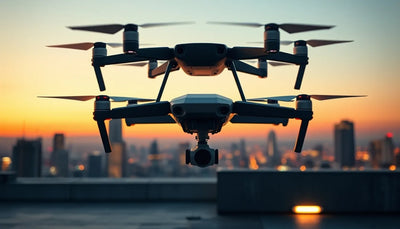
South Africa Launches Commercial Drone Washing System for Industrial Cleaning
South Africa has launched a new commercial drone washing system for industrial cleaning. The development signals growing demand for aerial maintenance services, which could reshape fleet planning and pre-owned drone values for operators.

South Africa has introduced a new commercial drone washing system aimed at industrial cleaning, according to a report from infrastructurenews.co.za. The launch marks another step in the expanding use of unmanned aircraft for maintenance work that has traditionally been handled by scaffolding, rope access teams, or heavy ground-based equipment.
The development, reported by the infrastructure-focused outlet, positions drone-based washing as a practical alternative for cleaning large structures. While the report does not specify the exact hardware, payload capacity, or pricing, the commercial launch itself is a signal that aerial cleaning services are moving from experimental projects into the mainstream service economy. For drone buyers, fleet operators, and repair customers, this is a useful data point about where the market is heading.
The commercial case for drone-based industrial cleaning
Industrial cleaning at height is expensive, slow, and carries inherent safety risks. Traditional methods require either powered access equipment, cranes, or teams working at height. A drone-based washing system can reduce the need for some of that infrastructure, potentially lowering the cost per square meter of cleaned surface and cutting the time a facility must be taken out of service.
DJI buying context
Match product news to hardware you can actually deploy.
Check inspected DJI aircraft, repair support, and trade-in timing before deciding whether to upgrade, repair, or wait.

The South African launch is notable because it comes from a regional infrastructure news source, suggesting the system is being positioned for real-world deployment rather than a research demonstration. The report frames the system as a commercial offering, which implies the company behind it believes there is enough demand to sustain a service business. That is a meaningful threshold for any new drone application.
For fleet operators, the practical implication is straightforward: aerial washing is becoming a service category that can generate revenue or reduce operating costs. If a commercial operator already flies drones for inspection or surveying, adding a cleaning payload may be a natural extension. However, the source data does not confirm which drone platforms are compatible with the washing system, so operators should treat any specific hardware decisions as requiring direct verification with the manufacturer.
What this means for drone owners and the market
The launch of a commercial drone washing system in South Africa adds to the growing evidence that drones are no longer just data collection tools. They are becoming active maintenance tools that touch physical infrastructure. This shift has consequences for how operators think about fleet composition, payload flexibility, and the wear and tear that comes from flying near structures with liquids and high-pressure equipment.
For owners of pre-owned DJI drones, the trend is relevant because it expands the pool of potential buyers. A used aircraft that can carry a cleaning rig may be more attractive to a service company than one that is only suited for photography or inspection. That dynamic can support resale values for larger, payload-capable models, while smaller camera drones may see less benefit. Operators considering this space should research which aircraft have the lifting capacity and mounting options for such work, and they should factor in the additional maintenance burden that comes from operating near water and cleaning agents. For owners evaluating service and lifecycle risk, Drone Wiki explains the relevant repair, parts, resale, or operational path.
For repair customers, the implication is that drones used in industrial cleaning will need more frequent checks on motors, seals, and electronic components exposed to moisture. This is not a reason to avoid the application, but it is a reason to build maintenance into the operating plan from day one. Operators who keep detailed service logs and use genuine OEM spare parts will be better positioned to protect their investment and maintain airworthiness. For those planning fleet expansion around this use case, the Drone Wiki offers a practical starting point for comparing platform capabilities and understanding what to look for in a used aircraft.
The broader market signal is that commercial drone services are diversifying. Cleaning is a repeatable, contract-based service, which is the kind of recurring revenue that can justify the upfront cost of a specialized aircraft. That is a different economic model from one-off inspection jobs, and it may appeal to operators looking for stable income streams.
Operational considerations for aerial washing services
Running a drone washing service is not the same as flying a camera mission. The aircraft is carrying a payload that changes its flight characteristics, and it is operating in close proximity to structures where a mistake can cause property damage or personal injury. Operators need to think about payload certification, flight planning near buildings, and the logistics of water supply and waste management at the job site.
The source report does not provide details on the washing system's specifications, such as tank capacity, pump pressure, or flight endurance under load. Without that information, operators should be cautious about making assumptions. A system that works well for a low-rise industrial building may not be suitable for a skyscraper, and the economics will vary by job size and frequency.
Another consideration is regulatory approval. Drone operations near buildings and people often require additional permissions beyond standard visual line-of-sight flying. The source does not mention what approvals the South African launch obtained, so operators in other jurisdictions should not assume the same rules apply. Local aviation authorities will have their own requirements for commercial operations, and those must be checked before offering a cleaning service.
For fleet planning, the key takeaway is to treat aerial washing as a specialized capability rather than a casual add-on. It requires dedicated training, appropriate insurance, and a maintenance schedule that accounts for the harsh operating environment. Operators who already have a mature inspection business may find the transition easier because they understand the operational discipline required.
Implications for the pre-owned market and repair ecosystem
The growth of commercial cleaning services could influence the second-hand drone market in a few ways. First, it increases demand for aircraft with higher payload capacity and robust build quality, which are often the same platforms used for agricultural spraying or heavy lifting. Second, it may accelerate the turnover of fleet aircraft, as cleaning work puts more hours and stress on airframes. That means more used drones entering the market, but also more demand for repair services to keep older aircraft airworthy.
Buyers looking at pre-owned drones should ask whether the aircraft has been used for liquid-carrying work, because that history can affect the condition of the electronics and motors. A thorough inspection is essential, and buyers should look for signs of corrosion or water ingress. Sellers, in turn, should be transparent about the operating history to maintain trust in the used market.
Reboot Hub analysis: Repair shops are likely to see more requests for motor replacements, gimbal repairs, and corrosion-related fixes if cleaning services become widespread. This is an opportunity for repair businesses to develop expertise in moisture damage and to stock the genuine OEM spare parts that are most commonly needed. Operators who plan to run cleaning services should establish a relationship with a repair provider before they need one, rather than scrambling after a failure.
The source report is limited in scope, and Reboot Hub analysis cannot confirm the system's technical details, pricing, or availability outside South Africa. What is clear is that the commercial launch is a real development, and it points to a future where drones are used for physical work, not just observation. For the drone industry, that is a positive sign of maturation.
Frequently asked questions
What is the new drone washing system in South Africa?
According to infrastructurenews.co.za, South Africa has launched a new commercial drone washing system designed for industrial cleaning. The report does not specify the manufacturer, model, or technical specifications of the system.
How does drone-based industrial cleaning affect drone owners?
It expands the range of commercial services drones can perform, which may increase demand for payload-capable aircraft and support resale values for suitable pre-owned models. It also adds maintenance considerations due to moisture exposure during cleaning operations.
Should operators start offering drone washing services?
Operators should evaluate the local regulatory environment, the cost of specialized equipment, and the demand for cleaning services in their region before entering this market. The source report does not provide pricing or performance data, so a business case should be built on verified local information.
Konsulterede kilder
Yderligere officiel dokumentation var ikke tilgængelig på udgivelsestidspunktet.
Reboot Hub Editorial tilføjer analyse af køb, reparation, gensalg og drift for droneejere. Hvis du finder en fejl, bedes du kontakte os for en korrekturgennemgang i henhold til vores redaktionelle politik.