ParaZero Lands Initial DefendAir Order from European Defense Manufacturer
ParaZero received an initial DefendAir Net Pod order from a Tier-1 European defense manufacturer. The order supports integration into an autonomous counter-UAS platform, signaling growing demand for physical interception systems and fresh implications for drone fleet security planning.

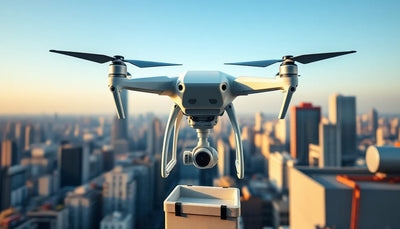
ParaZero Technologies Ltd. (Nasdaq: PRZO) announced on August 3, 2026, that it has received an initial order for its DefendAir Net Pods from a Tier-1 European defense manufacturer. The order will support integration of ParaZero's net-based physical interception technology into an autonomous Counter-UAS platform. This is a notable development for the counter-drone segment, which has been evolving rapidly from detection-heavy systems toward active, physical response capabilities.
For commercial drone operators, fleet managers, and buyers in the pre-owned market, this news is not just a defense procurement story. It signals a broader shift in how airspace security is being handled, and that shift carries practical implications for anyone flying drones near sensitive infrastructure, public events, or restricted zones. Understanding the direction of counter-UAS technology helps operators anticipate future compliance requirements and operational constraints.
The significance of a Tier-1 European defense order
The source announcement identifies the customer only as a Tier-1 European defense manufacturer. That level of specificity matters. Tier-1 defense manufacturers typically act as prime contractors for large national or multinational programs, meaning this initial order could be a precursor to broader integration work rather than a one-off sale. The fact that ParaZero's DefendAir Net Pods are being integrated into an autonomous Counter-UAS platform suggests the technology is being treated as a component within a larger system architecture, not as a standalone product.
Fleet readiness
Keep DJI hardware available without overbuying new units.
Use defense and fleet news as a planning signal for repair support, inspected pre-owned aircraft, and replacement timing.

ParaZero is based in Kfar Saba, Israel, and trades on Nasdaq under the ticker PRZO. The company is known for its smart, autonomous solutions for manned and unmanned aerial systems. Its DefendAir product line focuses on net-based physical interception, a method that captures rogue drones rather than destroying them with projectiles or electronic jamming. This approach has operational advantages in populated areas where kinetic solutions could cause collateral damage.
For drone operators, the practical implication is straightforward: physical interception is becoming a mainstream counter-UAS method. If a significant European defense player is investing in net-based capture, expect to see more of these systems deployed at airports, military installations, and critical infrastructure sites. That means operators flying in those areas will face stricter enforcement of no-fly zones and more active response measures.
What this means for drone buyers
For buyers in the commercial and pre-owned DJI markets, this defense order is a reminder that drone operations are increasingly shaped by security infrastructure. When counter-UAS systems become more capable and more widely deployed, the regulatory environment tends to tighten. Operators who fly near protected airspace should expect more frequent detection, more active interception attempts, and potentially higher penalties for unauthorized flights.
Reboot Hub analysis: Fleet operators should review their flight planning procedures with this in mind. If you operate near European defense facilities, ports, or major public venues, verify that your flight paths avoid areas where autonomous counter-UAS systems are likely to be active. This is especially relevant for operators using pre-owned DJI drones, where older firmware may not include the latest geofencing updates or remote identification features that newer systems rely on.
Reboot Hub analysis: For those considering a purchase, this news reinforces the value of buying from a source that provides inspected, current-generation hardware. Older drones with outdated firmware are more likely to trigger counter-UAS responses or fail to comply with evolving airspace rules. A pre-owned DJI drone that has been properly inspected and updated is a safer investment than an unverified unit that may not meet current operational standards.
Repair customers should also take note. As counter-UAS technology becomes more common, the risk of physical damage to drones increases. Net interception, while less destructive than projectile-based systems, can still cause impact damage, tangled rotors, or compromised gimbals. Having access to professional DJI repair services with genuine OEM parts becomes more important when the threat landscape includes active physical interception.
Market dynamics in the counter-UAS segment
The counter-UAS market has been growing steadily, driven by concerns over drone misuse at airports, military bases, and public events. Most early systems focused on detection using radar, radio frequency scanners, and optical sensors. The response layer, however, has been slower to mature. Jamming systems exist but face regulatory hurdles because they interfere with communications spectrum. Projectile-based systems are effective but carry risks of collateral damage. Net-based interception sits between these options, offering a physical response with reduced risk of unintended consequences.
ParaZero's DefendAir Net Pods are designed for autonomous deployment, meaning the system can detect, track, and intercept a rogue drone without requiring a human operator to manually trigger the response. This autonomy is a key selling point for defense customers who need to protect large areas with limited personnel. The integration into an autonomous Counter-UAS platform suggests the Tier-1 manufacturer is building a system that can operate continuously, making real-time decisions about when to deploy interception measures.
For commercial operators, the growth of autonomous counter-UAS systems has a direct effect on flight planning. Manual counter-UAS operations often involve human judgment and may allow for communication between the interceptor and the drone operator. Autonomous systems are less forgiving. They are programmed to respond to specific threat criteria, and they may not distinguish between a malicious drone and a commercial operator who accidentally drifts into restricted airspace.
This is a critical consideration for fleet managers. If you operate in regions where autonomous counter-UAS systems are being deployed, your pilots need to understand that accidental incursions may result in immediate interception rather than a warning. Training should emphasize strict adherence to airspace boundaries and the importance of maintaining situational awareness at all times.
The defense procurement angle also matters for the broader drone economy. When a Tier-1 European manufacturer places an initial order for a specific counter-UAS component, it often signals the start of a longer procurement cycle. Initial orders are typically followed by qualification testing, integration work, and eventually larger production orders. This pattern suggests sustained demand for ParaZero's technology, which could strengthen the company's financial position and support further product development.
Strategic considerations for operators and procurement teams
For operators and procurement teams, the ParaZero announcement offers several strategic takeaways. First, the counter-UAS landscape is moving toward physical interception, and that trend will shape airspace management for years to come. Second, autonomous response systems reduce the margin for human error, meaning operators must be more disciplined about flight planning and compliance. Third, the defense sector's investment in these systems indicates that governments and infrastructure operators are treating drone threats as a permanent operational reality, not a temporary concern.
One practical step for fleet operators is to conduct a risk assessment of your typical operating areas. Identify whether any of those areas are near defense facilities, critical infrastructure, or venues that might deploy counter-UAS systems. If so, update your flight procedures to include additional buffer zones and real-time airspace monitoring. This is especially important for operators using pre-owned equipment, where the cost of an interception incident could exceed the value of the aircraft itself.
Reboot Hub analysis: Procurement teams should also consider the resale value implications. Drones that have been involved in interception incidents, even if they survive, may have hidden damage that affects performance and reliability. When purchasing pre-owned equipment, insist on documentation that includes a thorough inspection report and firmware verification. A drone that has been properly maintained and updated is more likely to perform reliably in a challenging airspace environment.
Reboot Hub analysis: For those looking to upgrade or consolidate their fleet, the current market conditions favor careful planning. The counter-UAS trend is likely to drive demand for newer drones with better geofencing, remote identification, and obstacle avoidance capabilities. Older models may become harder to operate legally in restricted areas. If you are considering a fleet refresh, consult a drone trade-in guide to understand the current value of your existing equipment and plan your transition strategically.
The ParaZero order is a single data point, but it is a meaningful one. It confirms that net-based physical interception is moving from niche experimentation to mainstream defense procurement. For commercial drone operators, the message is clear: airspace security is becoming more sophisticated, and the cost of noncompliance is rising. Stay informed, stay disciplined, and ensure your equipment is ready for the operational realities of a more protected sky.
What is ParaZero's DefendAir technology?
ParaZero's DefendAir Net Pods are net-based physical interception devices designed to capture rogue drones. The initial order from a Tier-1 European defense manufacturer will support integration of these pods into an autonomous Counter-UAS platform, allowing the system to detect and intercept unauthorized drones without manual triggering.
How does this defense order affect commercial drone operators?
The order signals that autonomous counter-UAS systems are becoming more common in Europe. Commercial operators flying near defense facilities, airports, or critical infrastructure should expect stricter enforcement and more active interception measures. Review flight plans, maintain updated firmware, and ensure your aircraft is in good condition to avoid costly incidents.
Should drone buyers change their purchasing strategy because of this news?
Buyers should prioritize current-generation hardware with updated firmware and reliable geofencing capabilities. For pre-owned DJI drones, purchase from sources that provide thorough inspections and firmware verification. This reduces the risk of noncompliance and ensures the aircraft can operate safely in airspace where counter-UAS systems are active.
Konsulterede kilder
- Yahoo Finance market report - primary source
Yderligere officiel dokumentation var ikke tilgængelig på udgivelsestidspunktet.
Reboot Hub Editorial tilføjer analyse af køb, reparation, gensalg og drift for droneejere. Hvis du finder en fejl, bedes du kontakte os for en korrekturgennemgang i henhold til vores redaktionelle politik.