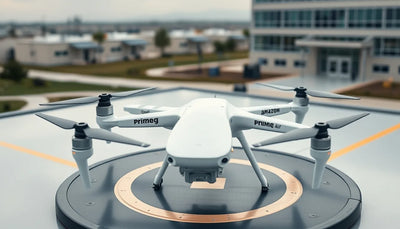
Ondas Adds Long-Range Dronebuster REACH to Counter-Drone Line
Ondas expanded its Dronebuster counter-drone portfolio with a long-range REACH variant, according to Stocktwits reporting. The move signals growing demand for electronic attack tools that disrupt command links, GNSS, and positioning signals used by unauthorized drones.

Quick answer
Ondas expanded its Dronebuster counter-drone portfolio with a long-range REACH variant that applies electronic attack techniques including command-and-control disruption, GNSS denial, and optional PNT electronic attack, according to Stocktwits reporting.
- REACH extends existing Dronebuster electronic attack methods to a long-range form factor
- Techniques include command-and-control disruption, GNSS denial, and optional PNT electronic attack
- The announcement targets defense and security buyers tracking counter-UAS capability gaps
- Commercial drone operators should watch how broader counter-drone adoption shapes airspace access and fleet planning
Evidence: Source material · AeroVironment unmanned systems solutions · Defense.gov official source · DIU Blue UAS
Fleet readiness
Keep DJI hardware available without overbuying new units.
Use defense and fleet news as a planning signal for repair support, inspected pre-owned aircraft, and replacement timing.

Verified facts
What the available evidence confirms
| Attribute | Dronebuster REACH detail |
|---|---|
| Product category | Long-range counter-drone electronic attack variant |
| Core techniques | Command-and-control disruption, GNSS denial, optional PNT electronic attack |
| Portfolio context | Expands existing Dronebuster product line |
| Reported by | Stocktwits news article covering Ondas |
Ondas Holdings has expanded its Dronebuster counter-drone portfolio with a long-range variant called REACH, according to a Stocktwits news article covering the defense technology company. The report describes REACH as applying electronic attack techniques already used across the Dronebuster product line, including command-and-control disruption, Global Navigation Satellite System denial, and optional Positioning, Navigation and Timing electronic attack.
The announcement matters for commercial drone operators, fleet managers, and buyers because counter-UAS capability is becoming a structural feature of the airspace environment. Security teams, critical infrastructure operators, and defense procurement offices are investing in tools that can stop unauthorized or hostile drones. Understanding which counter-drone methods are moving into long-range form factors helps commercial operators anticipate where airspace restrictions, facility policies, and operational friction may appear next.
What the Dronebuster REACH expansion signals
The reported REACH expansion indicates that Ondas sees sustained demand for portable and long-range electronic attack tools in the counter-UAS market. According to the Stocktwits article, REACH extends techniques already proven in the Dronebuster line rather than introducing an entirely new methodology. That continuity matters for procurement teams because it suggests a product family built around a shared operational approach, not a one-off experimental device.
Electronic attack in this context means disrupting the radio links a drone relies on. Command-and-control disruption targets the connection between the pilot and the aircraft. GNSS denial interferes with satellite navigation signals that many drones use for positioning, return-to-home functions, and automated flight modes. Optional PNT electronic attack broadens the toolset to positioning, navigation, and timing signals more generally. Each technique has different operational consequences depending on the drone being targeted, its firmware behavior, and the environment where the disruption occurs.
For commercial operators, the key takeaway is not the technical detail of any single jamming method. It is that counter-drone vendors are productizing these capabilities for wider deployment. When security teams at airports, stadiums, energy sites, or government facilities adopt long-range counter-UAS tools, the practical effect can include temporary flight restrictions, expanded no-fly buffers, and more aggressive response protocols for drones that enter protected airspace.
Why counter-drone demand is growing
Counter-UAS investment has accelerated as drone incidents at sensitive sites, border areas, and conflict zones have become more visible. The Stocktwits report frames the REACH expansion within Ondas's broader defense-focused strategy, which includes the Dronebuster product line and related autonomous systems assets. Investors and industry watchers are treating counter-drone capability as a durable spending category rather than a short-term procurement spike.
From a market perspective, the expansion suggests that buyers want flexibility across engagement ranges. A short-range handheld counter-drone tool may suit a checkpoint or a patrol officer. A long-range variant like REACH, as described in the source, would logically appeal to teams protecting larger perimeters, convoys, or fixed infrastructure where threats may appear at distance. The source does not provide specific range figures, so operators should treat any numeric range claims as unverified until Ondas publishes official specifications.
Reboot Hub analysis: the commercial drone ecosystem is increasingly shaped by the interaction between drone capability and counter-drone response. When security buyers adopt more capable electronic attack tools, the operational environment for legitimate drone flights becomes more complex. Pilots may encounter interference near protected sites even when flying legally. Fleet managers planning missions near critical infrastructure should account for the possibility that counter-UAS systems, not just airspace regulations, may affect flight reliability.
What this means for drone owners and the market
The Dronebuster REACH announcement is primarily a defense procurement story, but it carries indirect implications for commercial drone owners, repair customers, and the pre-owned market. First, broader counter-drone adoption can change where and how drones are flown. Facilities that deploy electronic attack tools may also tighten their own drone policies, affecting contractors, inspection teams, and delivery operators who work nearby. Second, interference events can produce unusual flight behavior, including loss of control, unexpected landing, or navigation errors. Pilots who experience these symptoms should document them carefully, because the cause may be external rather than a hardware fault.
For repair shops and service providers, counter-drone interference adds a diagnostic variable. A drone that loses GNSS lock or behaves erratically near a protected site may not need a new flight controller or GPS module. It may have simply encountered a jamming environment. Technicians who understand the difference can save customers money and avoid unnecessary parts replacement. For buyers evaluating pre-owned DJI drones, the relevant question is not whether a specific unit was exposed to counter-drone activity, but whether the broader operating environment is becoming more restrictive. Anyone researching drone reliability, repair options, or pre-owned market value can consult the Drone Wiki for context on how external factors affect drone performance and ownership costs. For owners evaluating service and lifecycle risk, Drone Wiki explains the relevant repair, parts, resale, or operational path.
The pre-owned market may feel this trend through resale value and buyer confidence. If counter-drone systems become common around airports, ports, and energy infrastructure, drones used for inspection or mapping near those sites may face more operational interruptions. That does not make the hardware less valuable, but it does change the risk profile that informed buyers should evaluate. Fleet managers and individual pilots should ask where a pre-owned drone has been operated, whether it has shown navigation anomalies, and whether its intended mission area overlaps with known counter-UAS deployments.
What buyers and operators should watch next
The practical next step for commercial drone buyers and fleet managers is to monitor how counter-drone deployments affect airspace access and mission planning. The Ondas REACH announcement is one data point in a broader trend. Operators should watch for official specifications, regulatory guidance on counter-UAS use near civilian airspace, and any facility-level policies that restrict drone operations in response to security concerns.
For defense and security buyers, the relevant questions are about integration, training, and escalation of force. A long-range electronic attack tool is only useful if operators can detect, identify, and engage a target within policy and legal constraints. The Stocktwits article does not address these operational details, so procurement teams should seek primary documentation from Ondas before making decisions. For commercial operators, the key adjustment is situational awareness: know the airspace, know the facility, and treat unexplained drone behavior as a possible sign of external interference rather than an immediate hardware failure.
The counter-drone market is maturing alongside the drone market itself. As more organizations invest in tools like the Dronebuster line, the boundary between commercial flight operations and security response will become more defined. Operators who plan for that boundary now will face fewer surprises later.
FAQ
Frequently asked questions
What is the Dronebuster REACH?
According to Stocktwits reporting, Dronebuster REACH is a long-range counter-drone variant from Ondas that applies electronic attack techniques including command-and-control disruption, GNSS denial, and optional PNT electronic attack.
Does the Dronebuster REACH announcement affect commercial drone pilots?
Indirectly, yes. Wider counter-drone adoption can lead to more flight restrictions near protected sites and a higher chance of navigation interference, which pilots and fleet managers should factor into mission planning.
Should drone owners worry about counter-drone systems damaging their hardware?
Electronic attack tools are designed to disrupt drone operations rather than physically damage aircraft. However, interference can cause erratic flight behavior that pilots may mistake for a hardware fault, so proper diagnosis matters before ordering repairs.
Which sources support this update?
The visible evidence links identify Source material and AeroVironment unmanned systems solutions and Defense.gov official source and DIU Blue UAS; each source is used only for the claim it directly supports.
What remains subject to change?
Retail pricing, availability, product bundles and regulatory timelines can change. Readers should verify the latest terms with the named retailer, manufacturer or regulator before acting.
How should buyers or operators use this analysis?
Use the verified facts as a starting point, then compare mission fit, lifecycle support, maintenance needs and current procurement terms before making a purchase or fleet decision.
Konsulterede kilder
- Source material - primary source
- AeroVironment unmanned systems solutions - official company source
- Defense.gov official source - official government source
- DIU Blue UAS - official government source
Reboot Hub Editorial tilføjer analyse af køb, reparation, gensalg og drift for droneejere. Hvis du finder en fejl, bedes du kontakte os for en korrekturgennemgang i henhold til vores redaktionelle politik.