L-39NG Skyfox Jets Could Give Ukraine a Cheaper Drone Hunting Option
The War Zone reports that L-39NG Skyfox trainer jets could give Ukraine a lower-cost platform for intercepting Russian one-way attack drones. The analysis highlights a shifting defense procurement conversation around cheaper counter-UAS aircraft and what that means for fleet planning and drone market dynamics.

Quick answer
The War Zone reports that L-39NG Skyfox trainer jets could give Ukraine a far cheaper alternative to frontline fighters for hunting Russian one-way attack drones.
- The L-39NG is a light jet trainer being discussed as a potential lower-cost counter-drone platform.
- The analysis focuses on cost pressure created by Moscow's expanding arsenal of one-way attack drones.
- The report frames this as a procurement and fleet-planning question rather than a confirmed acquisition.
- Commercial drone operators should watch how defense counter-UAS thinking influences broader drone market and airspace security trends.
Evidence: The War Zone · AeroVironment unmanned systems solutions · Defense.gov official source
Fleet readiness
Keep DJI hardware available without overbuying new units.
Use defense and fleet news as a planning signal for repair support, inspected pre-owned aircraft, and replacement timing.

The War Zone reported on November 13, 2026, that L-39NG Skyfox light jet trainers could give Ukraine a far cheaper alternative to using frontline fighters against Moscow's expanding arsenal of one-way attack drones. The analysis, attributed to The War Zone, frames the aircraft as a potential counter-drone platform that would reduce the operational cost burden of intercepting relatively inexpensive unmanned threats with high-end combat jets.
The discussion arrives at a moment when defense planners and commercial drone operators alike are paying closer attention to the economics of counter-UAS operations. The core problem is familiar to anyone who has priced a repair or replacement against the cost of the original asset: using a multimillion-dollar fighter to destroy a low-cost attack drone creates an unsustainable cost asymmetry. The L-39NG conversation is, at its heart, a procurement question about matching the right platform to the right threat at the right price.
The reported L-39NG counter-drone logic
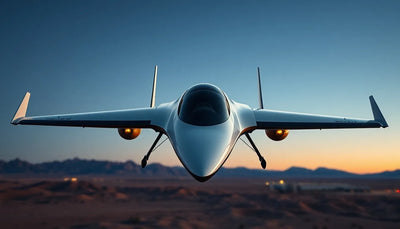
According to The War Zone, the L-39NG Skyfox would offer a lower-cost manned jet option for engaging Russian one-way attack drones. The aircraft is a modernized light jet trainer, and the reporting positions it as a potential supplement to Ukraine's existing fighter fleet rather than a replacement. The central argument is that a cheaper, simpler jet could handle some drone interception tasks that currently consume scarce frontline fighter hours.
For defense procurement analysts, this is a classic fleet-mix problem. Frontline fighters carry high operating costs, maintenance demands, and pilot training burdens. Diverting them to chase low-cost drones accelerates airframe wear and consumes expensive flight hours. A light jet trainer configured for the counter-drone role would, in theory, preserve high-end combat aircraft for missions that genuinely require their capability. The War Zone's reporting does not confirm that Ukraine has committed to the L-39NG for this role, but the analysis has clearly entered the defense conversation.
Why cost asymmetry is reshaping counter-UAS thinking
The broader issue behind the L-39NG discussion is the growing mismatch between threat cost and interception cost. One-way attack drones are relatively cheap to produce and deploy at scale, while modern air defense systems and manned fighters are expensive to operate. The War Zone's report highlights Moscow's expanding arsenal of one-way attack drones as the specific pressure driving this conversation.
This dynamic has implications beyond the battlefield. Commercial drone operators, fleet managers, and airspace security planners are watching the same cost calculus play out in civilian contexts. When a low-cost unmanned system can disrupt operations or create security concerns, responders need proportionate tools. The defense conversation about cheaper counter-drone platforms mirrors the commercial market's own search for cost-effective detection and mitigation options. Reboot Hub analysis suggests that procurement decisions in the defense sector often signal where commercial counter-UAS investment will flow next, as technologies and operational concepts migrate from military to civilian use.
What this means for drone owners and the market
Reboot Hub analysis: For commercial drone buyers and fleet operators, the L-39NG discussion is a reminder that counter-drone pressure is not going away. As one-way attack drones proliferate in conflict zones, regulators, airspace authorities, and security agencies are likely to accelerate counter-UAS investment. That can translate into tighter airspace restrictions, new detection requirements, and shifting demand for drone hardware that can demonstrate compliance with evolving security expectations. Operators who fly in sensitive areas or near critical infrastructure should expect continued scrutiny.
The pre-owned DJI market is also connected to this trend, even if indirectly. When defense and security agencies focus on drone threats, public awareness of drone activity rises, and some commercial buyers become more cautious about where and how they fly. At the same time, the underlying demand for capable, reliable commercial drones remains strong. Buyers evaluating a pre-owned DJI platform should consider not just the aircraft itself but the broader regulatory and security environment in which it will operate. For those managing repair and maintenance budgets, understanding how counter-UAS policy evolves can help with long-term fleet planning. Reboot Hub's Drone Wiki offers background that can help operators separate durable market signals from short-term noise. For owners evaluating service and lifecycle risk, Drone Wiki explains the relevant repair, parts, resale, or operational path.
The practical takeaway for a fleet manager or repair customer is to monitor defense counter-UAS procurement signals as an early indicator of civilian airspace policy. When military planners invest in cheaper drone interception, it often precedes civilian investment in detection and mitigation infrastructure. Operators who anticipate those shifts can make better decisions about where to deploy assets, when to upgrade, and how to budget for compliance-related maintenance.
Procurement signals to watch next
Reboot Hub analysis: The War Zone's report is an analysis of a potential capability, not a confirmed acquisition. That distinction matters for anyone trying to read the market. The L-39NG Skyfox may or may not enter Ukrainian service in a counter-drone role, but the fact that credible defense analysts are discussing it signals a broader shift in how militaries think about cost-effective air defense. Similar conversations are likely to shape future procurement in Europe, the Middle East, and the Indo-Pacific.
For commercial operators, the signal to watch is whether counter-UAS spending shifts from expensive, high-end systems toward simpler, cheaper, more scalable options. That pattern would mirror what has already happened in the commercial drone market, where affordable, modular platforms have displaced expensive bespoke systems in many use cases. If defense procurement follows the same path, expect faster innovation cycles in detection, tracking, and mitigation technology, with downstream effects on civilian airspace management and drone operating rules.
FAQ
Frequently asked questions
Is Ukraine confirmed to be acquiring L-39NG Skyfox jets for drone hunting?
No. The War Zone's report is an analysis of the L-39NG as a potential lower-cost counter-drone option for Ukraine, not a confirmed acquisition or operational deployment.
Why would a light jet trainer be useful against one-way attack drones?
A light jet trainer like the L-39NG could offer a cheaper operating cost than frontline fighters, preserving high-end combat aircraft for more demanding missions while still providing a manned platform capable of intercepting slower unmanned threats.
How does this affect commercial drone operators and buyers?
Defense counter-UAS procurement signals often precede civilian airspace policy changes. Commercial operators should watch for tighter restrictions, new detection requirements, and shifting demand patterns as counter-drone investment accelerates.
Which sources support this update?
The visible evidence links identify The War Zone and AeroVironment unmanned systems solutions and Defense.gov official source; each source is used only for the claim it directly supports.
What remains subject to change?
Retail pricing, availability, product bundles and regulatory timelines can change. Readers should verify the latest terms with the named retailer, manufacturer or regulator before acting.
How should buyers or operators use this analysis?
Use the verified facts as a starting point, then compare mission fit, lifecycle support, maintenance needs and current procurement terms before making a purchase or fleet decision.
Konsulterede kilder
- The War Zone - primary source
- AeroVironment unmanned systems solutions - official company source
- Defense.gov official source - official government source
Reboot Hub Editorial tilføjer analyse af køb, reparation, gensalg og drift for droneejere. Hvis du finder en fejl, bedes du kontakte os for en korrekturgennemgang i henhold til vores redaktionelle politik.
Denne artikel er en markedskommentar til droneoperatører og købere og udgør ikke investeringsrådgivning. Reboot Hub yder ikke finansiel rådgivning eller anbefaler transaktioner med værdipapirer.