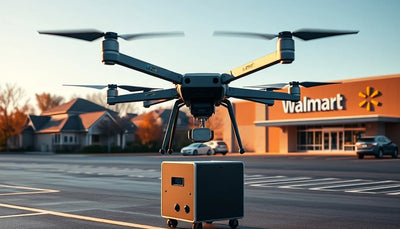
Japan Moves to Mass-Produce 3D-Printed Interceptor Drones
Japan has signed a procurement agreement for mass production of interceptor drones built with 3D printing. The move signals how additive manufacturing is reshaping defense supply chains and could influence commercial drone parts, repair economics, and second-hand market planning.

Quick answer
Japan's defense-procurement agency has signed a mass production procurement agreement for interceptor drones made using 3D printers, according to Defense News.
- The agreement covers interceptor drones produced with 3D printing technology
- The reporting comes from Defense News, dated August 27, 2026
- The development signals growing defense interest in additive manufacturing for unmanned systems
- Commercial drone operators may see downstream effects on parts availability and repair economics
Evidence: Defense News · Defense.gov official source
Fleet readiness
Keep DJI hardware available without overbuying new units.
Use defense and fleet news as a planning signal for repair support, inspected pre-owned aircraft, and replacement timing.

Japan's defense-procurement agency has signed a mass production procurement agreement for interceptor drones manufactured using 3D printing technology, according to a report published by Defense News on August 27, 2026. The agreement marks a notable step in how defense organizations approach drone production, moving additive manufacturing from prototyping and limited runs into a larger procurement channel.
The reported development sits inside a broader shift across the unmanned systems sector. Defense buyers have historically relied on conventional manufacturing methods for airframes and structural components. A move toward 3D-printed production, if it scales as intended, could change how quickly drone platforms are iterated, how spare parts are produced, and how maintenance pipelines are structured. For commercial operators watching defense procurement signals, the announcement offers an early indicator of where drone manufacturing economics may be heading.
What the Defense News report says
The central reported fact is narrow but significant: Japan's defense-procurement agency has entered into a mass production procurement agreement for interceptor drones built with 3D printers. Defense News is the primary reporting source for this development. The report does not specify the manufacturer, the number of units, the contract value, or the technical specifications of the interceptor drones involved. Those details remain outside the available source data.
Because the source is limited, Reboot Hub analysis should treat the announcement as a directional signal rather than a fully detailed procurement disclosure. What matters for industry readers is that a national defense buyer is formalizing additive manufacturing as a production method for operational drone systems. That is a different proposition from using 3D printing for prototypes, jigs, or non-critical components. It suggests confidence in printed airframe or structural parts meeting defense durability and performance requirements.
The absence of specification detail in the source means operators should avoid drawing conclusions about specific materials, flight performance, or production volumes. Still, the procurement agreement itself is the verifiable event. It places 3D-printed drone production inside an official defense acquisition pathway in Japan, a development that procurement analysts and commercial drone supply chain observers will likely track closely.
Why additive manufacturing matters in drone supply chains
Additive manufacturing changes the relationship between a drone platform and its spare parts pipeline. In conventional production, a damaged airframe component often requires a replacement part shipped from a central warehouse or a regional distributor. That creates lead times, inventory costs, and potential downtime for operators. If a part can be printed locally or on demand, the supply chain compresses significantly.
For defense users, that compression can matter in operational settings where resupply is slow or contested. For commercial operators, the same logic applies to fleet maintenance. A repair shop that can produce a compatible structural component on site may reduce turnaround time for customers. A fleet manager may hold fewer physical spares if certain parts can be produced as needed. These are not new ideas, but a national defense procurement agreement gives them more weight as a practical production model rather than a niche capability.
The report does not state whether the Japanese interceptor drones use printed airframes, printed internal structures, or printed tooling. Reboot Hub analysis should not assume the entire aircraft is printed. What the source supports is that 3D printing is central enough to the production method that it defines the procurement category. That alone is a meaningful signal for manufacturing strategy.
What this means for drone owners and the market
Commercial drone owners are unlikely to see immediate changes to DJI spare parts availability or repair pricing because of a Japanese defense procurement decision. The defense and consumer drone supply chains remain distinct in most respects. However, the underlying manufacturing trend has a way of migrating. When defense programs invest in additive manufacturing capacity, they help mature the technology, train a workforce, and create demand for better printers, materials, and quality-control processes. Those improvements eventually reach commercial and consumer drone ecosystems.
For pre-owned DJI drone buyers, the relevant question is whether additive manufacturing will shift how replacement parts are sourced. Today, the pre-owned market depends heavily on genuine OEM-pulled parts and professional repair services to keep used aircraft airworthy. If printed structural parts become more common in the broader drone industry, repair economics could shift. A shop might print a battery latch, a gimbal bracket, or a landing gear component instead of waiting for a donor unit or an OEM shipment. That would not replace OEM parts for critical electronics, but it could expand options for mechanical repairs. For owners evaluating service and lifecycle risk, Drone Wiki explains the relevant repair, parts, resale, or operational path.
Operators and repair customers should watch whether additive manufacturing moves from defense programs into certified commercial repair workflows. The Reboot Hub Drone Wiki tracks how repair and parts sourcing practices evolve across the drone market, including how manufacturing changes affect what buyers should inspect on pre-owned aircraft. For now, the practical takeaway is to continue prioritizing genuine OEM spare parts and professional inspection, while staying aware that printed structural components may become a more visible part of the repair conversation in the years ahead.
Fleet managers should also consider what this signal means for long-term platform planning. If defense buyers are comfortable procuring 3D-printed interceptor drones at scale, the technology is moving past the experimental phase. That could eventually influence how commercial drone manufacturers approach airframe production, especially for enterprise platforms where lower volumes make traditional tooling expensive. A manufacturer that can print airframe components on demand may offer faster design refreshes and more flexible spare parts support. Those changes would matter for total cost of ownership, resale value, and repair planning.
Limits of the current reporting and what to watch next
The Defense News report provides a clear headline fact but limited operational detail. It does not identify the drone manufacturer, the production facility, the annual output target, or the specific role the interceptor drones will fill. It also does not describe the materials used, the printing process, or the quality assurance standards applied to production units. Those omissions are normal for early procurement reporting, but they mean commercial readers should treat this as a development to monitor rather than a fully formed market shift.
Several follow-on signals would strengthen the commercial relevance of this story. A named manufacturer with a track record in commercial or dual-use drone production would be one. Published details on material types and structural testing would be another. Any indication that the Japanese procurement model includes distributed or on-demand spare parts production would be especially relevant for repair and resale markets. Until those details emerge, the story remains a source-limited but meaningful data point in the broader additive manufacturing trend.
For now, the responsible read is that Japan has formalized 3D-printed drone production inside a defense procurement agreement. That is a real event with real implications for how drone manufacturing may evolve. It is not yet evidence that commercial drone repair will change overnight, nor that pre-owned DJI aircraft will lose value or require new maintenance procedures. Operators should treat it as an early indicator, not an immediate operational directive.
FAQ
Frequently asked questions
What did Japan approve for drone production?
According to Defense News, Japan's defense-procurement agency signed a mass production procurement agreement for interceptor drones made using 3D printers. The report does not specify the manufacturer, unit count, or contract value.
Does this affect commercial DJI drone owners directly?
Not immediately. The defense and commercial drone supply chains are separate. However, defense investment in additive manufacturing can mature the technology and eventually influence how commercial drone parts are produced and repaired.
Should drone buyers change their purchasing or repair decisions now?
No immediate change is warranted. Buyers should continue prioritizing genuine OEM parts and professional inspection for pre-owned aircraft. The development is worth monitoring as additive manufacturing becomes more common in drone production and potentially in repair workflows.
Which sources support this update?
The visible evidence links identify Defense News and Defense.gov official source; each source is used only for the claim it directly supports.
What remains subject to change?
Retail pricing, availability, product bundles and regulatory timelines can change. Readers should verify the latest terms with the named retailer, manufacturer or regulator before acting.
How should buyers or operators use this analysis?
Use the verified facts as a starting point, then compare mission fit, lifecycle support, maintenance needs and current procurement terms before making a purchase or fleet decision.
Konsulterede kilder
- Defense News - primary source
- Defense.gov official source - official government source
Reboot Hub Editorial tilføjer analyse af køb, reparation, gensalg og drift for droneejere. Hvis du finder en fejl, bedes du kontakte os for en korrekturgennemgang i henhold til vores redaktionelle politik.