DJI's Romo Robot Vacuum Returns With a Transparent Second-Gen Design
DJI's second-generation Romo robot vacuum has surfaced with a striking transparent shell design. The report points to continued hardware expansion beyond drones, with implications for how DJI allocates engineering, supply chains, and support resources across its growing product portfolio.

Quick answer
A TechRadar report describes DJI's second-generation Romo robot vacuum featuring a transparent shell design that blends industrial and retro-computer aesthetics.
- The report attributes the design description to TechRadar, which compared it to an HR Giger drawing and an iMac G3.
- No official DJI specifications, pricing, or launch date were included in the source data.
- The development signals continued DJI investment in consumer robotics beyond drones.
- Commercial drone operators should watch how DJI balances product-line expansion with parts and repair support.
Evidence: DJI ROMO official robot vacuum page · DJI Support ROMO beginner guide · Defense.gov official source
DJI buying context
Match product news to hardware you can actually deploy.
Check inspected DJI aircraft, repair support, and trade-in timing before deciding whether to upgrade, repair, or wait.

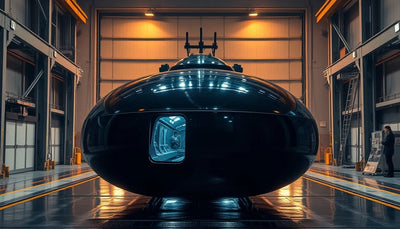
DJI's consumer hardware ambitions are expanding again. A new TechRadar report describes the second-generation Romo robot vacuum as a striking departure from conventional floor-cleaning designs, with a transparent shell that the publication compares to the visual language of an HR Giger drawing crossed with Apple's translucent iMac G3. The report frames the device as a continuation of DJI's push into home robotics, a category the company has approached in fits and starts while remaining best known for its drone ecosystem.
For commercial UAV operators, fleet managers, and repair customers, the Romo development is not simply a curiosity. It is a signal about where DJI is placing engineering attention, manufacturing capacity, and brand energy. When a dominant drone manufacturer expands into adjacent consumer hardware, the ripple effects can touch parts availability, repair workflows, and the long-term resale value of existing equipment. The source material is limited to the TechRadar report, so the analysis below separates confirmed reporting from reasonable market interpretation.
What the source actually reports
According to the TechRadar report cited in the source data, DJI's second-generation Romo robot vacuum has surfaced with a design that combines industrial, almost biomechanical styling with the translucent plastic aesthetic popularized by Apple's iMac G3 in the late 1990s. The publication describes the device as looking like a lovechild of an HR Giger drawing and an iMac G3, a vivid comparison that suggests the Romo's casing exposes internal components or uses a smoked or clear shell to reveal the vacuum's mechanics.
The source does not include official DJI confirmation, technical specifications, pricing, availability, or a launch date. No agency, company spokesperson, or regulatory filing is cited as confirming the design. Readers should treat the visual description as a media report based on images or leaks circulating in the consumer tech press, not as an official DJI product announcement. Reboot Hub analysis can only note that the report exists and that it points to continued DJI experimentation in the home robotics segment.
What the report does establish is that DJI is not standing still in consumer hardware. The company's core drone business remains the commercial and consumer anchor, but the Romo line represents a parallel track. For drone buyers and operators, that parallel track matters because it competes for the same underlying resources: engineering talent, component sourcing, firmware development, and after-sales support infrastructure.
Why a robot vacuum matters to drone operators
At first glance, a robot vacuum has little to do with agricultural spraying drones, thermal inspection platforms, or mapping payloads. But commercial drone fleets depend on DJI's broader operational health. When a manufacturer stretches its product portfolio, it must decide how to allocate service capacity, spare parts inventory, and technical documentation across multiple hardware lines. A consumer robot vacuum with a complex transparent chassis may require its own supply chain for molded plastics, optical sensors, and lidar or vision modules, some of which overlap with components used in drones.
For fleet managers, the practical question is whether DJI's expansion into home robotics affects turnaround times for drone repairs or the availability of OEM-pulled parts. The source data does not provide evidence of any service disruption or parts shortage. Reboot Hub analysis would caution against assuming a direct causal link between Romo development and drone repair delays. However, the development is a useful reminder that DJI's supply chain is not exclusively drone-focused, and procurement teams should monitor lead times for critical components as the company diversifies.
The pre-owned DJI market is also sensitive to product-line expansion. When a manufacturer demonstrates continued innovation and brand momentum, it tends to support resale values across the ecosystem. Buyers of pristine pre-owned DJI drones often look for signals that the manufacturer will remain a viable, well-supported platform for years. A second-generation Romo suggests DJI is investing in long-term consumer hardware, which can reinforce confidence in the broader brand even if the vacuum itself has no direct drone application.
What this means for drone owners and the market
The Romo report is a small data point in a much larger commercial picture. DJI's drone business remains the dominant force in both consumer and enterprise segments, and a robot vacuum does not change the operational calculus for a drone pilot on a given day. But the report does reinforce a pattern: DJI is a diversified hardware company, not a single-product drone maker. That diversification can be a strength, spreading risk and funding research that eventually feeds back into drone technology. It can also be a distraction if consumer robotics pulls focus from enterprise support.
For repair customers, the relevant takeaway is to stay informed about how DJI manages parts and service across its expanding catalog. A transparent-shell consumer vacuum may use proprietary fasteners, custom sensors, or sealed modules that are difficult to service outside authorized channels. If that design philosophy migrates to future drones, independent repair shops and fleet maintenance teams could face new challenges. The source data does not confirm any such migration, but the design language itself is worth watching. Operators who rely on professional DJI repair services should continue to document maintenance histories and source genuine OEM spare parts through channels that can verify authenticity, especially as DJI's product lines multiply. For owners evaluating service and lifecycle risk, Drone Wiki explains the relevant repair, parts, resale, or operational path.
For buyers considering a pre-owned DJI drone, the Romo news is neutral to mildly positive. It shows the company is still investing in new hardware categories, which supports the perception that DJI will continue to maintain its existing platforms. The pre-owned market benefits when a brand remains active and innovative, because buyers feel more confident that firmware support, replacement batteries, and compatible accessories will remain available. The Drone Wiki can help operators track model-specific maintenance and compatibility details as the DJI ecosystem evolves.
What to watch next
The most important next step is official confirmation. If DJI formally announces the second-generation Romo with specifications, pricing, and a release date, the market will have a clearer picture of the company's consumer robotics strategy. Until then, the TechRadar report should be treated as an early look rather than a verified product launch. Operators and buyers should also watch for any DJI communications about parts availability, service center capacity, or enterprise support commitments, since those signals matter more to commercial drone operations than the vacuum itself.
Another angle to monitor is component overlap. If the Romo uses vision sensors, brushless motors, or battery technology shared with DJI drones, then volume production of the vacuum could actually improve component availability and reduce costs across the ecosystem. Conversely, if the Romo uses entirely custom parts, it could strain supplier relationships. The source data does not provide enough detail to resolve this question, but it is a meaningful analytical lens for procurement teams.
Finally, the design language described in the report, transparent casing and exposed internals, may influence consumer expectations for future DJI products. If buyers respond positively to a see-through robot vacuum, DJI could incorporate similar aesthetic choices into accessories, charging hubs, or even drone shells. That is speculative, but it underscores why a seemingly unrelated consumer gadget can carry signal value for the drone market.
FAQ
Frequently asked questions
Is the DJI Romo robot vacuum officially confirmed?
No. The source data is a TechRadar report describing the second-generation Romo design, and it does not include official DJI confirmation, specifications, pricing, or a launch date.
Does the Romo vacuum affect DJI drone parts or repair availability?
The source data does not provide evidence of any impact on drone parts or repair services. However, DJI's expansion into consumer robotics is a signal that operators should monitor for potential shifts in supply chain and support priorities.
Should drone buyers change their purchasing plans because of this report?
No immediate change is warranted. The report is an early design leak without official details. Buyers should continue to evaluate DJI drones on their operational merits, maintenance history, and parts availability rather than on unconfirmed consumer hardware news.
Which sources support this update?
The visible evidence links identify DJI ROMO official robot vacuum page and DJI Support ROMO beginner guide and Defense.gov official source; each source is used only for the claim it directly supports.
What remains subject to change?
Retail pricing, availability, product bundles and regulatory timelines can change. Readers should verify the latest terms with the named retailer, manufacturer or regulator before acting.
How should buyers or operators use this analysis?
Use the verified facts as a starting point, then compare mission fit, lifecycle support, maintenance needs and current procurement terms before making a purchase or fleet decision.
Konsulterede kilder
- Defense.gov official source - official government source
- DIU Blue UAS - official government source
Reboot Hub Editorial tilføjer analyse af køb, reparation, gensalg og drift for droneejere. Hvis du finder en fejl, bedes du kontakte os for en korrekturgennemgang i henhold til vores redaktionelle politik.