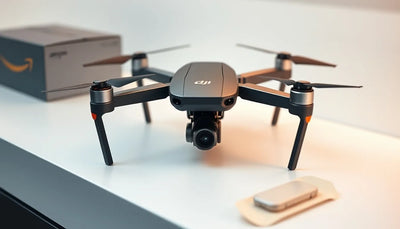
DJI Neo 3 Unboxing Leak Shows Real Battery Slots
A leaked DJI Neo 3 unboxing video reportedly shows visible battery slots, a detail that could shape repair workflows, spare battery demand, and pre-owned market expectations for the next compact DJI platform.

Quick answer
A leaked DJI Neo 3 unboxing video reportedly shows real battery slots, according to DroneXL.
- The report comes from DroneXL via Google News DJI
- The unboxing leak focuses on visible battery slot hardware
- No official DJI confirmation or launch date is included in the source
- The detail matters for battery replacement and repair planning
A leaked unboxing video for the DJI Neo 3 has surfaced in industry coverage, and the central reported detail is simple but commercially significant: the battery slots are real. The report, published by DroneXL and distributed through Google News DJI, frames the leak around visible hardware rather than official specifications. For drone buyers, fleet operators, and repair customers, that distinction matters because battery architecture directly affects spare part availability, maintenance costs, and how a model ages in the pre-owned market.
DJI buying context
Match product news to hardware you can actually deploy.
Check inspected DJI aircraft, repair support, and trade-in timing before deciding whether to upgrade, repair, or wait.

Reboot Hub analysis should be clear here: this is source-limited reporting. DroneXL is the named primary reporting source, and no DJI official statement, agency confirmation, or verified specification sheet is present in the available material. The development is a leak, not a launch. Operators should treat the battery slot detail as an early signal of hardware direction, not as a confirmed product feature set.
The reported leak and what it actually shows
According to DroneXL, the unboxing video leak centers on the DJI Neo 3 and specifically highlights that the battery slots are real. The phrasing suggests that prior speculation or renders may have left the battery configuration uncertain, and the video appears to resolve that question by showing the physical slot hardware. The source does not provide official specifications, battery capacity figures, charging rates, or compatibility claims, so those details should not be assumed.
For commercial operators, the practical takeaway is that a visible, user-accessible battery slot design typically means swappable battery modules rather than a sealed internal pack. That has direct operational consequences. A drone with removable batteries supports faster turnaround between flights, simpler field logistics, and more predictable replacement cycles. If the Neo 3 follows that pattern, it would align with the broader DJI compact drone approach that many operators already rely on for lightweight inspection, mapping support, and quick deployment tasks.
Why battery architecture drives repair and spare part decisions
Battery slots are not just a convenience feature. They are one of the most important repair and maintenance variables on any compact drone. A user-replaceable battery reduces the likelihood that a simple battery failure forces a full unit teardown or factory service. Instead, the operator can swap the module and return the aircraft to service. For repair customers, that can mean lower labor costs and faster turnaround compared with drones that require adhesive removal or specialized tools to access an internal cell.
The DJI Neo 3 leak, if accurate, suggests that the platform may continue the modular battery approach that has become standard across much of the DJI consumer and prosumer lineup. That would matter for independent repair shops and fleet managers who stock genuine OEM spare parts. Battery modules are consumable components. They degrade with charge cycles, temperature exposure, and storage conditions. A drone with clearly defined battery slots creates a more predictable spare part pipeline, which is exactly what professional repair operations and multi-unit fleets need when planning maintenance budgets.
What this means for drone owners and the market
For current and prospective DJI Neo owners, the leak should not trigger an immediate purchasing decision. There is no confirmed launch date, no official pricing, and no verified compatibility data in the source. What the report does provide is an early indication that the Neo 3 may retain a swappable battery design. Buyers who prioritize field efficiency and long-term serviceability should watch for official confirmation before making procurement commitments.
The pre-owned DJI market is also sensitive to battery architecture. Models with easily replaceable batteries tend to hold operational value longer because a degraded battery does not automatically make the entire aircraft uneconomical to repair. When a battery slot is accessible, a pre-owned unit can be refreshed with a new or inspected OEM-pulled battery module and return to reliable service. That is a meaningful distinction for buyers evaluating older inventory. For those tracking DJI Neo platform developments, the Wiki Dji Neo resource provides ongoing context on the model family and related ownership considerations. For owners evaluating service and lifecycle risk, Wiki DJI Neo explains the relevant repair, parts, resale, or operational path.
Fleet managers should use this leak as a prompt to review battery inventory practices rather than as a signal to reorder hardware. If the Neo 3 eventually reaches the market with swappable slots, operators who already standardize on modular battery workflows will adapt quickly. Those who rely on sealed-battery aircraft may need to adjust charging, storage, and spare part planning. The operational difference is not theoretical; it affects how many spare modules a fleet carries, how batteries are cycled, and how maintenance downtime is managed.
What operators should do differently now
The responsible operator action after this leak is to wait for official DJI confirmation while preparing for the likely operational pattern. If the battery slots are real, the Neo 3 will probably follow the modular battery model that favors spare module stocking, labeled battery rotation, and storage at appropriate charge levels. None of those practices require knowing the final specifications today. They are sound fleet habits regardless of the exact model.
Repair customers should also note that early leaks often drive speculative parts demand before a product is even announced. That can create confusion in the OEM spare parts market, with listings appearing for batteries, chargers, and accessories that are not yet officially released. Buyers should be cautious about pre-ordering parts based on unboxing leaks. The safest approach is to wait for official DJI documentation and confirmed part numbers before committing to inventory purchases.
The broader market signal is that compact DJI platforms continue to attract attention well before formal launch events. Leaks like this one shape expectations, but they do not replace verified specifications. For commercial buyers, the discipline is the same as with any unconfirmed hardware report: treat the information as directional, protect procurement budgets from speculative pricing, and keep repair and spare part decisions tied to confirmed product data.
FAQ
Frequently asked questions
Is the DJI Neo 3 battery slot detail officially confirmed?
No. The battery slot detail comes from a DroneXL report on a leaked unboxing video. No official DJI confirmation or specification sheet is included in the source material.
Why do battery slots matter for drone repair costs?
User-accessible battery slots generally allow simpler battery replacement without a full teardown. That can reduce labor time and make it easier to keep an aircraft in service when a battery degrades or fails.
Should fleet operators buy spare batteries based on this leak?
No. Operators should wait for official DJI confirmation and verified part numbers before purchasing spare batteries or accessories. The leak is an early signal, not a confirmed product release.
Which sources support this update?
The article distinguishes reported information from analysis and does not present an unverified source as official confirmation.
What remains subject to change?
Retail pricing, availability, product bundles and regulatory timelines can change. Readers should verify the latest terms with the named retailer, manufacturer or regulator before acting.
How should buyers or operators use this analysis?
Use the verified facts as a starting point, then compare mission fit, lifecycle support, maintenance needs and current procurement terms before making a purchase or fleet decision.
Konsulterede kilder
- DroneXL via Google News - primary source
Yderligere officiel dokumentation var ikke tilgængelig på udgivelsestidspunktet.
Reboot Hub Editorial tilføjer analyse af køb, reparation, gensalg og drift for droneejere. Hvis du finder en fejl, bedes du kontakte os for en korrekturgennemgang i henhold til vores redaktionelle politik.