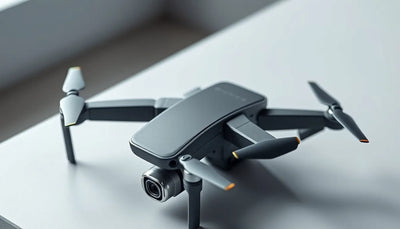
Barksdale Indictment Cites DJI Air 3 Flights After Incursions
A federal indictment linked to Barksdale Air Force Base incursions alleges continued DJI Air 3 flights after the incidents. The filing adds a commercial drone model to a sensitive airspace case and raises fresh questions for operators, buyers, and the pre-owned DJI market.

Quick answer
A federal indictment linked to Barksdale Air Force Base incursions alleges that DJI Air 3 flights continued after the incidents, according to DroneXL reporting.
- The indictment names the DJI Air 3 as the model involved in post-incursion flights
- DroneXL is the primary reporting source for the development
- The case connects a consumer-adjacent commercial drone to sensitive military airspace enforcement
- No official agency confirmation beyond the reported filing is available in the source data
A federal indictment connected to incursions near Barksdale Air Force Base alleges that DJI Air 3 flights continued after the initial airspace violations, according to reporting by DroneXL. The development places a widely available commercial drone model at the center of a sensitive military airspace case, and it arrives at a moment when fleet operators, repair customers, and pre-owned DJI buyers are already weighing how enforcement actions shape the secondary market.
DJI buying context
Match product news to hardware you can actually deploy.
Check inspected DJI aircraft, repair support, and trade-in timing before deciding whether to upgrade, repair, or wait.

The source material is limited to the DroneXL report and does not include independent confirmation from federal prosecutors, the U.S. Air Force, or DJI. Reboot Hub analysis treats the filing as a reported development rather than a verified legal finding. Even at that level, the allegation matters commercially because it ties a specific, popular DJI airframe to post-incident flight activity near a strategic military installation.
What the reported filing says
DroneXL's report indicates that the Barksdale indictment alleges DJI Air 3 flights occurred after the incursions that first drew attention to the airspace. The Air 3 is a compact dual-camera drone that sits between DJI's consumer Mini line and the more capable Mavic series, making it a common choice for independent operators and small commercial teams. Its presence in the filing underscores how mainstream hardware can appear in high-stakes enforcement matters.
The source does not provide details on the number of flights, the exact dates, the identity of the accused, or the specific charges beyond the post-incursion flight allegation. Reboot Hub is not adding operational specifics that the reporting does not support. What the source does establish is a clear enough signal: enforcement attention is not limited to custom-built or military-grade unmanned systems. Off-the-shelf DJI hardware is being named in serious airspace cases.
Enforcement risk is becoming a hardware question
For commercial operators, the practical takeaway is that airspace enforcement is increasingly model-specific. When a filing names a DJI Air 3 rather than a generic drone, it tells fleet managers that investigators are documenting airframes, serial numbers, flight logs, and model identifiers. That level of detail has consequences for how operators document their own flights, retain maintenance records, and manage pilot accountability.
A buyer or fleet manager reading this should treat flight logging and maintenance documentation as compliance assets, not administrative chores. If a drone is ever connected to an incident, the ability to show a clean operational history, a clear chain of custody, and documented repair work becomes commercially important. Operators who cannot produce that trail may face longer review processes, even when they were not involved in the reported conduct.
What this means for drone owners and the market
The pre-owned DJI market is sensitive to enforcement narratives. When a popular model appears in a federal filing, some buyers pause, some sellers adjust pricing, and some fleet managers tighten procurement standards. The DJI Air 3 is a relatively recent platform, so its presence in this case could push cautious buyers toward sellers who can document provenance, flight history, and repair status. For operators and repair customers, the Drone Wiki offers a reference point for understanding model-specific maintenance and ownership considerations when evaluating pre-owned DJI hardware. For owners evaluating service and lifecycle risk, Drone Wiki explains the relevant repair, parts, resale, or operational path.
Reboot Hub's view is that the long-term effect will likely be greater demand for documented pre-owned DJI drones rather than a broad retreat from the platform. Buyers who previously focused on price may now ask for flight log summaries, repair invoices, and proof that the airframe was not involved in restricted airspace activity. Sellers who can provide that documentation may hold value better than those selling hardware with no history.
There is also a fleet planning angle. Organizations that operate near sensitive infrastructure, military installations, or controlled airspace should review their geofencing practices and pilot training. The reported filing does not confirm that geofencing failed or was bypassed, but it does remind operators that hardware-level safeguards are only one layer of a defensible compliance posture. Pilot judgment, flight logging, and maintenance records complete the picture.
Why the Air 3 naming matters commercially
The DJI Air 3 is not a niche platform. It is a volume product in DJI's mid-tier lineup, which means the pre-owned supply is substantial and the repair parts ecosystem is active. When a volume model appears in an enforcement context, the commercial ripple effects tend to spread across resale pricing, insurance underwriting, and fleet procurement reviews. Insurers and enterprise buyers may ask more questions about where a specific serial number has flown, even if the airframe itself is mechanically sound.
Repair shops and parts suppliers should also note the development. Customers bringing in DJI Air 3 units for service may increasingly ask for documentation that ties the repair to the specific airframe and confirms that the unit was not subject to a law enforcement hold. Professional DJI repair providers that already maintain detailed service records are better positioned to serve that demand than informal sellers or undocumented repair channels.
The source does not indicate any DJI recall, firmware change, or product defect. Reboot Hub is not suggesting that the Air 3 is unsafe or that DJI is a party to the reported case. The commercial signal is narrower: enforcement narratives attach to specific models, and that attachment influences buyer behavior in the pre-owned market.
FAQ
Frequently asked questions
Does the Barksdale indictment mean the DJI Air 3 is banned?
No. The source reports an allegation in a federal indictment, not a product ban, recall, or regulatory restriction. The Air 3 remains a widely sold DJI model, and the filing does not indicate any DJI product defect or official prohibition.
Should pre-owned DJI Air 3 buyers be concerned?
Buyers should focus on documentation. The reported filing makes model-specific enforcement visibility more relevant, so asking for flight history, repair records, and proof of clean ownership is a reasonable step. The underlying hardware is not implicated as defective by the source.
What should fleet managers do differently after this report?
Fleet managers should treat flight logs, maintenance records, and pilot training as compliance infrastructure. If a fleet unit is ever connected to an airspace incident, documented operational history can reduce review friction and protect resale value.
Which sources support this update?
The article distinguishes reported information from analysis and does not present an unverified source as official confirmation.
What remains subject to change?
Retail pricing, availability, product bundles and regulatory timelines can change. Readers should verify the latest terms with the named retailer, manufacturer or regulator before acting.
How should buyers or operators use this analysis?
Use the verified facts as a starting point, then compare mission fit, lifecycle support, maintenance needs and current procurement terms before making a purchase or fleet decision.
Konsulterede kilder
- DroneXL via Google News - primary source
Yderligere officiel dokumentation var ikke tilgængelig på udgivelsestidspunktet.
Reboot Hub Editorial tilføjer analyse af køb, reparation, gensalg og drift for droneejere. Hvis du finder en fejl, bedes du kontakte os for en korrekturgennemgang i henhold til vores redaktionelle politik.