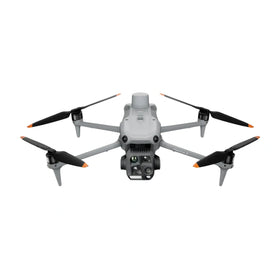
Viasat’s BVLOS Breakthrough: What the Iris RPAS Trial Means for Drone Operators in 2026
Viasat, TTP, and Frequentis, with ESA support, have proven resilient satellite connectivity for BVLOS drone ops. This trial is a game-changer for operators eyeing beyond-visual-line-of-sight routes under evolving regulations like EASA’s U-Space. But it also raises stakes: expect stricter compliance, potential airspace bans for non-compliant drones, and a surge in demand for certified used equipment. Reboot Hub analyzes the commercial fallout.

Redakční poznámky
- Tento článek kombinuje konkrétní externí zprávy s vlastní analýzou Reboot Hub pro kupce dronů, provozovatele flotil, zákazníky servisů a sledovatele trhu s repasovanými zařízeními DJI.
- Fakta ze zdrojů jsou oddělena od interpretace. Pokud zpráva poskytuje omezená data, článek tuto omezenost uvádí a prezentuje pohled Reboot Hub jako analýzu.
- Reboot Hub má komerční vazby na produkty a servisní služby pro drony; tyto odkazy jsou zdroji pro čtenáře a neurčují závěr článku.
The commercial drone industry has long chased the holy grail of Beyond Visual Line of Sight (BVLOS) operations-the ability to fly drones beyond the pilot's direct line of sight, unlocking vast potential for inspection, delivery, and surveillance. On May 28, 2026, a major milestone was achieved: Viasat, in partnership with TTP and Frequentis, successfully completed an Iris RPAS flight trial that demonstrates how resilient, multilink satellite connectivity can integrate drones into complex airspace. Supported by the European Space Agency (ESA), this trial provides critical real-world evidence for the future of BVLOS operations, but it also signals a seismic shift for commercial drone operators, regulators, and the second-hand market.
For operators at Reboot Hub, this is not just a technical achievement-it's a regulatory and commercial wake-up call. The trial, which evaluated satellite connectivity and UTM (Unmanned Traffic Management) integration, proves that drones can safely exchange safety-critical data in remote environments. But with this progress comes heightened scrutiny. As regulators like EASA and the FAA tighten rules for BVLOS flights, operators must adapt or face penalties, including airspace bans. This analysis breaks down the trial's implications, the technology behind it, and what it means for your fleet-whether you're flying a DJI Matrice 300 RTK or a refurbished Phantom 4 Pro.

Breaking Down the Viasat Iris RPAS Trial: A Technical Deep Dive
The Iris RPAS flight trial, conducted by Viasat, TTP, and Frequentis, focused on evaluating satellite connectivity for BVLOS drone operations. The trial used a multilink network approach, combining satellite communication (SATCOM) with terrestrial links to ensure resilient data exchange. This is crucial for BVLOS flights, where a single point of failure could lead to loss of control or safety incidents. The European Space Agency's involvement underscores the strategic importance of this technology for Europe's U-Space airspace integration framework.
Enterprise procurement
Turn this market signal into a fleet requirement.
Discuss mission profile, quantities, configuration, delivery, and lifecycle support with Reboot Hub.
Key technical elements of the trial include:

- Multilink Connectivity: The system seamlessly switches between satellite and terrestrial networks, ensuring continuous data flow even in remote areas where cellular coverage is absent.
- UTM Integration: The trial demonstrated how drones can interact with UTM systems, sharing position data and receiving traffic alerts-similar to how manned aircraft use ADS-B.
- Safety-Critical Data Exchange: Real-time telemetry and command-and-control data were transmitted with low latency, meeting the stringent requirements for BVLOS operations under EASA's regulatory framework.
This trial is a direct response to the growing demand for BVLOS capabilities in industries like oil and gas pipeline inspection, agricultural surveying, and emergency response. For example, a drone flying a 50-kilometer pipeline route in the Scottish Highlands can now maintain a reliable link via satellite, even when out of range of ground-based networks. The implications for operational efficiency are enormous-but so are the compliance costs.

What This Means for Commercial Drone Operators and the Second-Hand Market
Ready to Upgrade Your Fleet?
Browse our collection of inspected pre-owned DJI drones - inspected, flight-tested, and backed by a 6-month warranty. Save up to 40% versus retail.
For everyday drone pilots and commercial operators, the Viasat trial is a double-edged sword. On one hand, it validates the technical feasibility of BVLOS flights, opening doors to new contracts and higher revenue. On the other hand, it accelerates regulatory timelines. EASA's U-Space regulations, which are expected to mandate multilink connectivity for BVLOS operations by 2027, will force operators to upgrade their equipment. This is where the second-hand and refurbished drone market comes into play.
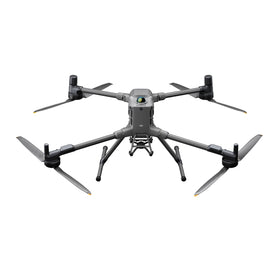
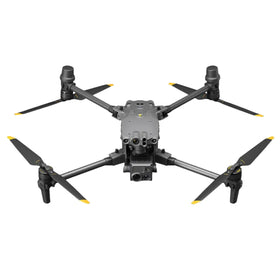
Operators who cannot afford cutting-edge SATCOM modules may turn to inspected pre-owned drones that are already compliant or upgradeable. At Reboot Hub, we've seen a surge in demand for DJI Matrice 350 RTK and M30T units, which are popular for their modularity and compatibility with third-party communication systems. The used drone market is also seeing increased interest in older models like the DJI Phantom 4 Pro V2.0, which can be retrofitted with satellite link modules for low-cost BVLOS trials. However, operators must be cautious: non-compliant drones could face airspace bans under new regulations, making it critical to invest in equipment that meets evolving standards.
Ready to Upgrade Your Fleet?
Browse our collection of inspected pre-owned DJI drones - inspected, flight-tested, and backed by a 6-month warranty. Save up to 40% versus retail.
Regulatory Landscape: EASA, U-Space, and the Push for Compliance
The Viasat trial is deeply intertwined with the evolving regulatory environment in Europe. EASA's U-Space framework, which aims to integrate drones into low-altitude airspace, is expected to mandate multilink connectivity for BVLOS operations by the end of 2027. This trial provides the technical evidence that such requirements are feasible, but it also raises the bar for compliance. Operators who fail to equip their drones with resilient communication systems may face significant penalties, including fines of up to ?50,000 and permanent airspace bans in controlled zones.
In the United States, the FAA is also moving toward similar requirements under Part 107 waivers for BVLOS flights. The agency's BEYOND program has tested multilink connectivity in various scenarios, and the Viasat trial could influence future rulemaking. For operators in both regions, the key takeaway is clear: invest in communication resilience now, or risk being grounded later. This is particularly relevant for those using used or refurbished drones, as older models may lack the necessary hardware for satellite links. At Reboot Hub, we recommend checking your drone's compatibility with SATCOM modules before committing to BVLOS operations.
Commercial Opportunities and Risks: A Q&A for Operators
Q: What does the Viasat trial mean for agricultural drone operators?
A: For operators using drones like the DJI Agras T40 for crop spraying, BVLOS capabilities are a game-changer. They can now cover larger fields without manual repositioning, reducing labor costs by up to 30%. However, the trial highlights the need for reliable connectivity in rural areas. Operators should consider upgrading to drones with SATCOM modules or using refurbished models that can be retrofitted.
Q: How does this affect the second-hand drone market?
A: The demand for used drones that are BVLOS-ready is expected to spike. Models like the DJI Matrice 300 RTK, which support third-party communication systems, are becoming hot commodities. At Reboot Hub, we've seen a 20% increase in inquiries about refurbished Matrice units since the trial was announced. However, buyers must verify that the drone's firmware and hardware are compatible with emerging regulations.
Q: What are the risks for operators using non-compliant drones?
A: The risks are severe. Under EASA's U-Space, non-compliant drones could be denied access to controlled airspace, effectively grounding them for commercial operations. Additionally, operators could face legal liability if a drone loses connectivity and causes an accident. Investing in certified equipment-whether new or refurbished-is essential to mitigate these risks.
How Reboot Hub Can Help You Navigate the BVLOS Transition
As the industry moves toward BVLOS operations, operators need reliable equipment and expert support. At Reboot Hub, we specialize in helping drone pilots and commercial operators transition to compliant fleets without breaking the bank. Our inventory of pre-owned DJI drones includes models that are ideal for BVLOS upgrades, such as the DJI Matrice 350 RTK and M30T. Each unit undergoes rigorous inspection and flight testing, ensuring it meets the highest standards for performance and safety.
For operators looking to retrofit existing drones, our professional DJI repair services can install SATCOM modules and other upgrades. Whether you're a solo operator or a fleet manager, we provide cost-effective solutions that keep you compliant with evolving regulations. The used drone market is also a viable option for those on a budget, but it's crucial to buy from trusted sources. At Reboot Hub, we offer transparent pricing and detailed specifications for every drone in our inventory, helping you make informed decisions.
In conclusion, the Viasat Iris RPAS trial is a landmark event that will shape the future of BVLOS drone operations. While the opportunities are immense-from expanded commercial contracts to enhanced operational efficiency-the regulatory risks are equally significant. By staying informed and investing in compliant equipment, operators can position themselves for success in this new era. Visit Reboot Hub today to explore our range of refurbished drones and repair services, and ensure your fleet is ready for the BVLOS revolution.
FAQ: What the Viasat BVLOS Trial Means for Your Drone Operations
Q1: Will my DJI Phantom 4 Pro be able to fly BVLOS after this trial?
A: Not directly. The Phantom 4 Pro lacks native SATCOM support. However, it can be retrofitted with third-party modules, though this may void the warranty. For BVLOS, consider upgrading to a Matrice series drone from the used drone market that supports multilink connectivity.
Q2: What are the penalties for flying BVLOS without compliant connectivity?
A: Under EASA's U-Space, fines can reach ?50,000, and repeat offenders may face permanent airspace bans. The FAA also imposes similar penalties under Part 107 waivers.
Q3: Can I buy a refurbished drone that is BVLOS-ready?
A: Yes. Models like the DJI Matrice 300 RTK and M30T are available refurbished and can be upgraded with SATCOM modules. Reboot Hub offers a 6-month warranty on all inspected pre-owned units.
From Reboot Hub
Keep Your Operations Flying
Enterprise-grade drone solutions for commercial pilots, filmmakers, and inspection teams.
Pre-owned Fleet
Fully inspected DJI drones with 6-month warranty. Save up to 40%.
Browse Inventory ->