Ukraine Heavy-Lift Drone Evacuates Wounded Soldier in First Documented Rescue
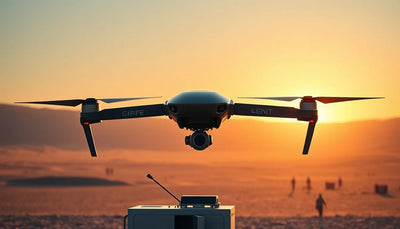
Ukrainian forces have reported a successful battlefield evacuation of a wounded soldier using a heavy-lift drone, according to DRONELIFE. The operation points to an emerging commercial and defense use case for unmanned aerial medical logistics in high-risk environments.

Quick answer
DRONELIFE reported that Ukrainian forces completed a successful evacuation of a wounded soldier using a heavy-lift drone, described as the first documented rescue of its kind.
- The operation demonstrates an emerging use for unmanned aircraft when ground rescue is too dangerous or impossible.
- Ukrainian manufacturers are reportedly developing dedicated aerial medical evacuation systems.
- The development signals a potential new demand category for heavy-lift drone platforms and related logistics support.
Evidence: DRONELIFE · Defense.gov official source
Market context
Turn market news into a buy, repair, or trade-in decision.
Compare pre-owned availability, resale timing, and repair economics before the market moves again.

DRONELIFE reported on October 19, 2026, that Ukrainian forces have carried out a successful evacuation of a wounded soldier using a heavy-lift drone. The outlet describes the operation as the first documented rescue of its kind, and it highlights an emerging application for unmanned aircraft in situations where ground rescue is too dangerous or impossible to attempt.
The report does not identify the specific airframe, manufacturer, payload weight, range, or medical equipment used in the operation. Those operational details remain unconfirmed in the available source material. What the report does establish is that the event happened, that it involved a heavy-lift platform, and that Ukrainian manufacturers are developing dedicated aerial medical evacuation systems in response to battlefield demand.
Why a documented medical evacuation matters
Battlefield medical evacuation has historically depended on ground vehicles, manned helicopters, or stretcher teams operating under fire. Each of those methods exposes personnel to significant risk. A heavy-lift drone changes that equation by removing the rescue crew from the immediate danger zone while still moving a casualty toward treatment.
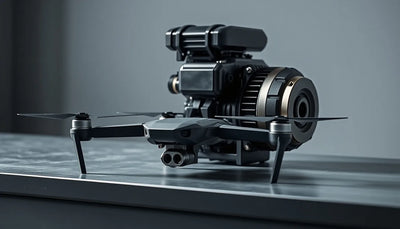
DRONELIFE frames the Ukrainian operation as a demonstration of a potential new application for unmanned aircraft. That framing is significant because it moves heavy-lift drones beyond cargo resupply, reconnaissance, and strike roles into a category that requires different engineering priorities: stable hover performance under load, redundant flight controls, gentle descent and landing behavior, and secure casualty restraint systems.
For commercial operators watching the defense sector, the development is a signal about where heavy-lift platform requirements may be heading. A drone that can reliably move a wounded person is a drone that can also move sensitive industrial payloads, medical supplies, or high-value components in civilian logistics. The underlying airframe and flight-control demands overlap substantially.
What the source does and does not confirm
The available reporting is source-limited. DRONELIFE is the primary reporting source, and the article does not cite named Ukrainian military officials, manufacturer statements, or independent verification from a second outlet. Reboot Hub analysis should therefore treat the event as a credible but narrowly documented development rather than a fully corroborated operational milestone.
No technical specifications were available for this article. That means payload capacity, endurance, control link range, redundancy architecture, and medical equipment compatibility cannot be stated. Readers should avoid inferring that the platform used in Ukraine matches any specific commercial heavy-lift model currently on the market.
What can be stated plainly is that Ukrainian manufacturers are reportedly building dedicated aerial medical evacuation systems. That detail, drawn directly from the DRONELIFE summary, suggests the evacuation was not a one-off improvisation but part of a broader equipment development trend inside the country.
What this means for drone owners and the market
The commercial drone market tends to absorb defense-driven engineering advances over time. Heavy-lift airframes developed for military logistics often influence enterprise platforms used in agriculture, infrastructure inspection, and industrial transport. If dedicated medical evacuation drones prove viable in Ukraine, procurement interest in high-reliability heavy-lift systems could expand beyond defense buyers.
For fleet managers and commercial operators, the practical takeaway is to monitor heavy-lift platform development more closely. A documented casualty evacuation creates a new reference point for what regulators, insurers, and enterprise buyers may eventually ask of unmanned aircraft: demonstrated performance under life-critical conditions, not just routine cargo delivery. Operators who already run heavy-lift platforms should expect renewed scrutiny of maintenance records, payload restraint systems, and flight redundancy documentation.
For owners of pre-owned DJI drones and other commercial platforms, the immediate impact is indirect. DJI's current heavy-lift and enterprise lineup is not confirmed as the equipment used in the reported Ukrainian operation, and no source data connects DJI hardware to the event. However, defense-sector demand for heavy-lift capability can shape the broader secondary market by shifting buyer attention toward larger, more capable airframes and away from smaller consumer models. Readers evaluating pre-owned enterprise platforms may find that heavy-lift capability becomes a more prominent resale consideration as aerial logistics use cases gain visibility. For background on platform categories and maintenance considerations, the Drone Wiki provides reference material for operators assessing different airframe classes. For owners evaluating service and lifecycle risk, Drone Wiki explains the relevant repair, parts, resale, or operational path.
The longer-term commercial signal
Aerial medical evacuation is not yet a commercial service category in most markets. Regulatory frameworks for carrying people, or even carrying a casualty under emergency conditions, remain far more restrictive than rules for cargo. The Ukrainian case does not change that regulatory reality, but it does provide an operational data point that manufacturers and civil aviation authorities may eventually reference when discussing heavy-lift certification standards.
The commercial implication is structural rather than immediate. If dedicated medical evacuation drones mature as a product category, the supply chain implications would extend to flight controllers with higher redundancy requirements, specialized restraint and litter systems, medical monitoring integration, and maintenance protocols designed for life-critical missions. Repair providers and parts suppliers would need to adapt to a market where failure tolerance is near zero.
For now, the responsible reading is that a single documented rescue has demonstrated feasibility in a high-risk environment. Whether that leads to broader adoption depends on additional reporting, manufacturer disclosures, and regulatory movement that has not yet occurred.
FAQ
Frequently asked questions
Was this the first drone medical evacuation ever reported?
DRONELIFE describes the Ukrainian operation as the first documented rescue of its kind involving a heavy-lift drone evacuating a wounded soldier. The source does not provide a comprehensive historical review of all prior unmanned medical evacuation attempts.
Which drone model was used in the evacuation?
The available source material does not identify the specific airframe or manufacturer. No technical specifications, model names, or equipment details were confirmed in the reporting.
How should commercial drone operators respond to this development?
Operators should monitor heavy-lift platform development and expect increased attention to reliability, payload restraint, and maintenance documentation as aerial logistics use cases expand. The event does not change current commercial regulations or create an immediate new service category.
Which sources support this update?
The visible evidence links identify DRONELIFE and Defense.gov official source; each source is used only for the claim it directly supports.
What remains subject to change?
Retail pricing, availability, product bundles and regulatory timelines can change. Readers should verify the latest terms with the named retailer, manufacturer or regulator before acting.
How should buyers or operators use this analysis?
Use the verified facts as a starting point, then compare mission fit, lifecycle support, maintenance needs and current procurement terms before making a purchase or fleet decision.
Konzultované zdroje
- DRONELIFE - primary source
- Defense.gov official source - official government source
Redakce Reboot Hub poskytuje vlastníkům dronů analýzy nákupů, oprav, prodejní hodnoty a provozu. Pokud narazíte na chybu, kontaktujte nás pro revizi opravy v souladu s našimi redakčními zásadami.