Russia’s 12kW Counter-Drone Laser: A New Era for Airspace Security?
Russian state media reveals Inferit's 12kW laser designed to destroy civilian drones. For commercial operators flying BVLOS routes or conducting RTK surveying, this new counter-UAS system signals a rapidly escalating airspace threat. With the used drone market already volatile, this development could redefine risk assessments for Part 107 pilots and enterprise fleets. Are your drones safe?

Redakční poznámky
- Tento článek kombinuje konkrétní externí zprávy s vlastní analýzou Reboot Hub pro kupce dronů, provozovatele flotil, zákazníky servisů a sledovatele trhu s repasovanými zařízeními DJI.
- Fakta ze zdrojů jsou oddělena od interpretace. Pokud zpráva poskytuje omezená data, článek tuto omezenost uvádí a prezentuje pohled Reboot Hub jako analýzu.
- Reboot Hub má komerční vazby na produkty a servisní služby pro drony; tyto odkazy jsou zdroji pro čtenáře a neurčují závěr článku.
The global landscape of drone operations and airspace security has just undergone a significant recalibration. On May 24, 2026, Russian state news agency TASS reported that Inferit, a subsidiary of the Softline investment and technology holding, has unveiled a 12-kilowatt (kW) counter-drone laser system. This system, explicitly designed for protecting civilian infrastructure, represents a major escalation in the technological arms race between unmanned aerial vehicles (UAVs) and their countermeasures. While the development is rooted in the defense sector, its implications cascade directly into the commercial drone market, affecting everything from DJI Matrice 300 RTK operators to the valuation of second-hand fleets.
The timing of this announcement is critical. As we move deeper into 2026, the frequency of unauthorized drone incursions near airports, power plants, and stadiums has reached an all-time high. The response from governments and private security firms has been a massive investment in Counter-Unmanned Aircraft Systems (C-UAS). The Inferit system, however, is not just another radio frequency jammer or net gun. It is a directed-energy weapon (DEW) capable of physically destroying the airframe of a drone, a capability that was once the exclusive domain of high-budget military projects. This analysis will dissect the technical details, assess the strategic implications for commercial drone operators, and provide a clear-eyed view of what this means for the future of the used drone market.

The Inferit System: Technical Specifications and Strategic Intent
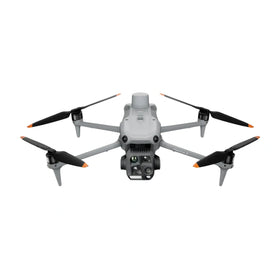
According to the TASS report, the Inferit laser system is a stationary or semi-mobile unit designed to engage low-flying drones. The 12kW power output is a key specification. This is not a dazzler or a disabling system; it is a lethal effector. A laser of this power can burn through carbon fiber, plastic, and aluminum drone components in seconds, causing catastrophic airframe failure. The system likely integrates electro-optical/infrared (EO/IR) tracking cameras and a sophisticated beam director to maintain a steady lock on fast-moving targets like a DJI Mavic 3 or a custom FPV racing drone.
Fleet readiness
Keep DJI hardware available without overbuying new units.
Use this news as a planning signal for inspected DJI aircraft, repair support, and trade-in timing.
The strategic intent is clear: protect civilian infrastructure-such as nuclear power plants, oil refineries, and government buildings-from the growing threat of terrorist or state-sponsored drone attacks. This is a direct response to incidents like the 2024 drone attacks on Russian energy facilities and the ongoing global concern over drone swarms. For the Russian defense industry, this system is a showcase of their directed-energy capabilities, designed for both domestic protection and export to allied nations. The development timeline from prototype to field deployment is a critical metric to watch, as it will dictate how quickly this technology proliferates.

Ready to Upgrade Your Fleet?
Browse our collection of inspected pre-owned DJI drones - inspected, flight-tested, and backed by a 6-month warranty. Save up to 40% versus retail.
What Does a 12kW Laser Mean for Commercial Drone Operators?
Ready to Upgrade Your Fleet?
Browse our collection of inspected pre-owned DJI drones - inspected, flight-tested, and backed by a 6-month warranty. Save up to 40% versus retail.
This is the most pressing question for our readers. For a commercial drone pilot operating under FAA Part 107 in the United States or EASA regulations in Europe, a 12kW laser system in a foreign country might seem like a distant problem. However, the implications are immediate and strategic. The primary risk is the proliferation of this technology. If the Inferit system is successfully exported or its design is reverse-engineered, it could become a standard security fixture at critical infrastructure sites globally. This would directly impact where and how commercial drones can operate.
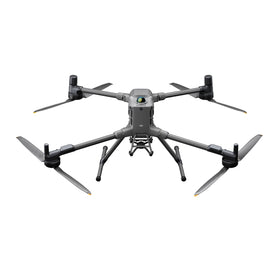
For pilots conducting BVLOS (Beyond Visual Line of Sight) missions, such as pipeline inspection or agricultural surveying, the presence of an automated laser-based C-UAS system creates a zero-tolerance environment. Unlike radio frequency jammers, which merely degrade the command link, a laser system destroys the airframe. A drone straying into a designated no-fly zone protected by such a system would result in the total loss of the aircraft. This dramatically increases the insurance premiums and operational risk for commercial operators. Furthermore, the psychological effect on the pilot community cannot be understated. The knowledge that a $15,000 DJI Matrice 350 RTK equipped with a high-accuracy RTK module and a LiDAR scanner could be incinerated in seconds will force a reevaluation of flight planning and risk management protocols.
For the pre-owned DJI drones market, this news is a double-edged sword. On one hand, the increased risk of drone loss could drive demand for more robust, redundant, and potentially cheaper used airframes that operators are willing to risk in higher-threat environments. On the other hand, the overall market sentiment could cool if operators fear that their equipment is becoming obsolete against new countermeasures. However, history shows that the drone industry adapts. Future software updates may include geofencing that actively avoids known C-UAS installations, and new materials (such as ablative coatings) could be developed to mitigate laser damage.
Global C-UAS Market and the Escalation of Drone Warfare
The Inferit system is a symptom of a much larger global trend: the rapid militarization of the airspace just above our heads. The global Counter-Unmanned Aircraft System market was already projected to reach $6.5 billion by 2028, and developments like this will only accelerate that growth. We are witnessing a classic action-reaction cycle. As drones become cheaper, more autonomous, and more capable (with better GPS denial resistance and automated flight paths), the countermeasures must become more powerful and decisive. Lasers, high-power microwaves (HPM), and kinetic interceptors are now the leading solutions.
This escalation creates a complex environment for international drone manufacturers like DJI, Autel Robotics, and Skydio. Their products are now caught in a geopolitical crossfire. A drone built for precision agriculture in Nebraska is now a potential target for a 12kW laser in a conflict zone. This reality forces manufacturers to invest heavily in both active and passive defense systems for their drones. We may soon see "hardened" commercial drones designed to be more resistant to electronic warfare and directed energy. This will inevitably increase the cost of new drones, making the second-hand and used drone market an even more attractive entry point for budget-conscious operators.
The Impact on the Second-Hand and Refurbished Drone Market
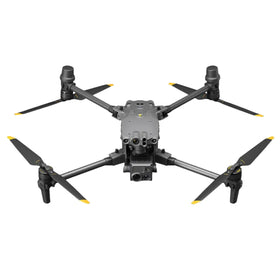
At Reboot Hub, we analyze these developments through the lens of the commercial operator. The unveiling of the Inferit system, while a defense story, has tangible consequences for asset valuation. The key question for our customers is: "Will my drone hold its value?" The answer is nuanced. The immediate effect is likely to be a slight dip in the value of older, non-encrypted drones that are easier to jam or track. However, for robust enterprise platforms like the DJI M30T or the Mavic 3 Enterprise series, the demand may remain stable or even increase. These platforms offer the latest encryption, redundant communication links (4G, OcuSync, and Wi-Fi), and advanced obstacle avoidance, which are all features that can help a drone survive in a contested environment.
Furthermore, the operational cost of drone services is set to rise. If operators need to fly multiple drones to guarantee mission completion (in case one is shot down), or if they need to purchase specialized insurance, the total cost of ownership increases. This will push more operators towards the pre-owned DJI drones available at Reboot Hub, where they can acquire top-tier equipment at a fraction of the cost, freeing up capital for risk mitigation strategies. Our inventory of flight-tested, fully inspected drones provides a financially sound way to scale a fleet in this uncertain environment.
Frequently Asked Questions (FAQ)
Is the Inferit 12kW laser system a direct threat to my commercial drone operations?
If you are operating within Russian territory or in a conflict zone where this system is deployed, yes, it is an existential threat to your aircraft. For operators in the United States, Europe, or other stable regions, the threat is indirect. It signals a future where C-UAS technology is more widespread, which will lead to stricter no-fly zones and higher insurance costs. It is a risk multiplier for your business model, not an immediate physical threat to your drone today.
How can I protect my drone from directed-energy weapons like lasers?
Current commercial drones have very little protection against a high-power laser. The best defense is avoidance. This means strict adherence to geofencing, real-time airspace monitoring, and flight planning that avoids known military or critical infrastructure sites. Future drones may incorporate laser-resistant materials or active countermeasures, but for now, operational discipline is your only shield. Ensuring your drone's firmware is up-to-date with the latest geospatial zones is critical.
Should I sell my used drone now because of this news?
Not necessarily. The used drone market is resilient. While this news adds a new layer of risk, the fundamental utility of drones for surveying, inspection, and cinematography remains unchanged. The value of high-quality, well-maintained drones like the DJI Phantom 4 RTK or the Mavic 3 Classic is still strong. If you are considering an upgrade, now is a good time to sell or trade-in your older model before the market fully reacts to this and similar C-UAS announcements. At Reboot Hub, we offer fair valuations and a seamless trade-in process.
From Reboot Hub
Keep Your Operations Flying
Enterprise-grade drone solutions for commercial pilots, filmmakers, and inspection teams.
Pre-owned Fleet
Fully inspected DJI drones with 6-month warranty. Save up to 40%.
Browse Inventory ->