Lithuania’s Patria Deal: A $1B Signal for NATO Drone Integration and Second-Hand Market Shift
Lithuania’s planned $1B+ Patria armored vehicle deal signals a massive shift in NATO’s Eastern flank defense strategy, directly impacting the commercial drone sector. This move creates urgent demand for integrated ISR platforms, BVLOS-capable UAVs, and battlefield networking. For drone operators, this means new contracts for military-grade sensor integration and a surge in second-hand military drone fleets entering the used drone market as nations upgrade. Failure to adapt to these new defense procurement cycles could leave commercial operators locked out of a multi-million dollar revenue stream in 2027.

Redakční poznámky
- Tento článek kombinuje konkrétní externí zprávy s vlastní analýzou Reboot Hub pro kupce dronů, provozovatele flotil, zákazníky servisů a sledovatele trhu s repasovanými zařízeními DJI.
- Fakta ze zdrojů jsou oddělena od interpretace. Pokud zpráva poskytuje omezená data, článek tuto omezenost uvádí a prezentuje pohled Reboot Hub jako analýzu.
- Reboot Hub má komerční vazby na produkty a servisní služby pro drony; tyto odkazy jsou zdroji pro čtenáře a neurčují závěr článku.
Vilnius, Lithuania - May 28, 2026 - In a move that transcends traditional armored vehicle procurement, the Lithuanian government has confirmed it will sign a contract with Finland's Patria in 2027 to acquire a fleet of next-generation armored vehicles. While the headline is about land warfare, the strategic implications for the commercial and defense drone sectors are profound. This deal, valued at over ?1 billion, is not merely about buying 6x6 and 8x8 troop carriers; it is a blueprint for how NATO's eastern flank will integrate unmanned aerial systems (UAS) into its core tactical doctrine.
For the drone industry, this announcement signals a massive, structured demand for interoperable ISR (Intelligence, Surveillance, and Reconnaissance) drones, BVLOS (Beyond Visual Line of Sight) communication networks, and ruggedized, military-grade sensors. As Lithuania prepares to modernize its land forces, the ripple effects will be felt from small commercial operators in the Baltic states to multinational defense contractors in the US and Europe.

"The Patria deal is a catalyst," said a senior defense analyst at the Vilnius-based Eastern Europe Security Institute. "Lithuania isn't just buying a vehicle; it's buying a system-of-systems. The Patria AMV is designed to be a command node. The natural evolution is to have a drone swarm operating as its eyes and ears, 50 kilometers ahead of the column."
Fleet readiness
Keep DJI hardware available without overbuying new units.
Use this news as a planning signal for inspected DJI aircraft, repair support, and trade-in timing.
1. The Patria Platform: A Flying Drone Carrier?
The Patria AMV (Armored Modular Vehicle) is renowned for its versatility. Its modular design allows it to be configured as an infantry fighting vehicle, a command post, or an ambulance. However, the most critical configuration for the drone industry is the UAS command-and-control (C2) variant. The vehicle's internal space, power generation capacity, and advanced communication suites make it an ideal mobile ground control station (GCS).
Lithuania's specific requirements, expected to be finalized in the 2027 contract, are likely to mandate seamless integration with existing and future drone platforms. This includes compatibility with the Bayraktar TB2, which Lithuania already operates, and potentially larger platforms like the General Atomics MQ-9 Reaper or the Elbit Hermes 900. The key technical hurdle is ensuring that the Patria's datalinks can handle the high-bandwidth video feeds and telemetry from multiple drones simultaneously, a challenge that will drive demand for specialized engineering and integration services.

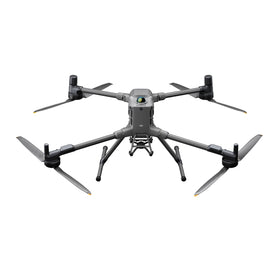
For commercial drone operators, this represents a massive opportunity. The skills required to integrate a DJI Matrice 300 RTK with a third-party payload (like a FLIR thermal camera) are directly transferable to military-grade integration projects. The difference is scale and security clearance. Operators with Part 107 or equivalent European certifications who can also demonstrate experience with RTK positioning and secure data transmission will be in high demand.

2. The Drone Ecosystem: ISR, BVLOS, and the Networked Battlefield
Ready to Upgrade Your Fleet?
Browse our collection of inspected pre-owned DJI drones - inspected, flight-tested, and backed by a 6-month warranty. Save up to 40% versus retail.
The central strategic question this deal answers is: How does a small nation like Lithuania deter a larger adversary? The answer is asymmetric capability. Drones provide that asymmetry. The Patria vehicles will serve as mobile command centers for a network of drones, creating a "mesh network" over the battlefield. This requires three specific technological pillars:
Pillar 1: BVLOS Infrastructure. To operate drones 50-100 km ahead of a Patria column, Lithuania must invest in robust, jam-resistant BVLOS communication links. This is a direct parallel to the commercial industry's push for BVLOS waivers under FAA Part 107 or EASA regulations. The defense sector will likely adopt and accelerate these technologies, which will eventually trickle down to commercial operators. Expect to see increased funding for 4G/5G-based drone control systems and satellite datalinks (SATCOM).
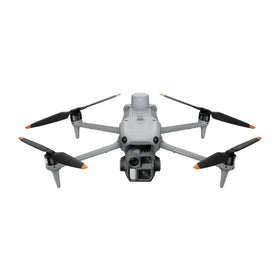
Pillar 2: Autonomous Swarming. The Patria deal will likely fund research into autonomous drone swarming. Imagine a scenario where a Patria command vehicle launches 20 small quadcopters (like the DJI Mavic 3 Enterprise or a military equivalent) that autonomously patrol a perimeter, identify threats using AI-based object detection (e.g., YOLOv8), and report back to the vehicle. This is not science fiction; it is the stated goal of many NATO programs.
Pillar 3: Sensor Fusion. The data from the drones (EO/IR, LiDAR, SIGINT) must be fused with the vehicle's own sensors (radar, acoustics). This creates a unified situational awareness picture for the crew. This requires advanced software, which is a massive growth area for drone software startups.
Ready to Upgrade Your Fleet?
Browse our collection of inspected pre-owned DJI drones - inspected, flight-tested, and backed by a 6-month warranty. Save up to 40% versus retail.
3. What Does This Mean for Commercial Drone Operators?
Q: I am a commercial drone pilot in the US or Europe. How does a Lithuanian military armored vehicle deal affect me?
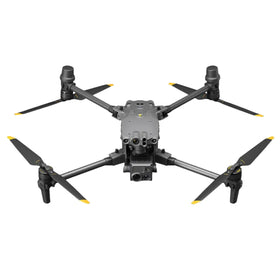
A: Directly and immediately. First, the defense-industrial complex is the largest R&D funder for drone technology. The BVLOS systems developed for the Patria deal will eventually become commercial products, lowering costs and opening up new airspace for commercial operators. Second, the demand for military-grade sensor integration will create a parallel market for "dual-use" drone services. If you can fly a DJI M30T for a power line inspection, you can learn to fly a similar platform for a military base perimeter patrol. The skills are transferable. Third, this deal signals that NATO is taking drone warfare seriously, which will lead to increased government funding for drone training programs and certifications. Operators who invest in Part 107 or EASA A1/A3 licenses and specialize in RTK surveying or LiDAR mapping will be well-positioned for these defense contracts.
Q: What about the second-hand drone market?
A: This is a critical development for the used drone market. As militaries like Lithuania's upgrade to newer, more integrated platforms, they will divest their older, but still highly capable, drones. This creates a massive influx of high-quality, military-surplus drones into the civilian market. These are often higher-spec versions of commercial drones (e.g., a DJI Mavic 2 Enterprise Advanced with a thermal camera) that have been meticulously maintained. For commercial operators, this is a golden opportunity to acquire premium equipment at a fraction of the retail price. At Reboot Hub, we are already seeing an increase in inquiries about pre-owned DJI drones that have been decommissioned from government service. This trend will only accelerate as the Patria deal and similar programs come online.
4. The Local Industry Share: A Boon for Baltic Drone Startups
A critical component of the Patria deal is the "local industry share" clause. Lithuania is demanding that a significant portion of the contract value be reinvested into its domestic defense industry. This is a game-changer for the Baltic drone ecosystem. Expect to see a surge in funding for Lithuanian drone startups specializing in:
- Swarm algorithms: Companies like Aerobits or Skraiduole Drones could receive contracts to develop autonomous flight software for the Patria fleet.
- Counter-drone systems: The need to protect the Patria vehicles from enemy drones will drive demand for RF jammers and drone detection systems from companies like Hologarde.
- Secure datalinks: Startups focused on encrypted, jam-resistant communication modules will find a ready customer in the Lithuanian Ministry of Defense.
This local industry requirement also means that foreign drone manufacturers (e.g., DJI, Autel Robotics, Skydio) will need to partner with Lithuanian companies to supply their platforms for integration. This could lead to interesting joint ventures and technology transfer agreements, further enriching the local drone market.
5. The Bigger Picture: NATO's Drone-First Doctrine
The Lithuania-Patria deal is not an isolated event. It is part of a broader NATO shift towards a "drone-first" or "unmanned-first" doctrine. Following the lessons from the war in Ukraine, where drones have become the dominant sensor and strike platform, NATO nations are rapidly integrating UAS into every echelon of their ground forces. The US Army's Future Tactical Unmanned Aircraft System (FTUAS) program and the European Eurodrone project are parallel examples. The Patria deal is the Baltic manifestation of this global trend.
For drone repair and maintenance, this is excellent news. Military-grade drones require rigorous maintenance cycles. The demand for professional DJI repair services and other OEM-level repair capabilities will skyrocket. Operators who can service these complex systems will be indispensable. At Reboot Hub, we are preparing for this surge by expanding our repair capabilities for both commercial and military-grade platforms, ensuring that our customers' fleets remain operational and mission-ready.
Frequently Asked Questions
When will the Patria contract be signed?
The Lithuanian government has stated the contract is expected to be signed with Patria in 2027. The current date is May 28, 2026, meaning the procurement process is in its final stages of negotiation and specification finalization.
What drone models are likely to be integrated with the Patria AMV?
While not officially confirmed, the most likely candidates include the Bayraktar TB2 (already in Lithuanian service), the Elbit Hermes 450/900, and potentially smaller tactical drones like the DJI Mavic 3 Enterprise or the Parrot ANAFI USA for short-range reconnaissance. The platform is designed for maximum interoperability.
How can a commercial drone operator prepare for this defense market shift?
Operators should focus on obtaining advanced certifications (Part 107, EASA), specializing in BVLOS operations and sensor integration (LiDAR, thermal, multispectral), and networking with defense contractors. Building a track record of secure, reliable data handling is also crucial. The skills are highly transferable from commercial work to defense contracts.
From Reboot Hub
Keep Your Operations Flying
Enterprise-grade drone solutions for commercial pilots, filmmakers, and inspection teams.
Pre-owned Fleet
Fully inspected DJI drones with 6-month warranty. Save up to 40%.
Browse Inventory ->