Hong Kong National Day Drone Show Highlights Large-Fleet Operations
A 2,026-drone National Day display over Hong Kong put large coordinated fleets back in the commercial spotlight. The event shows how high-count UAV operations are becoming a visible, repeatable service model with real implications for fleet planning, maintenance, and pre-owned equipment demand.

Quick answer
A National Day event in Hong Kong used 2,026 drones in a coordinated night sky display, highlighting the operational scale now reachable by commercial light show fleets.
- 2,026 drones flew in a single coordinated display over Hong Kong
- The event was tied to National Day celebrations in China
- Large drone shows require synchronized fleet management and maintenance planning
- High-count displays are becoming a visible commercial service format
Evidence: DJI ROMO official robot vacuum page · DJI Support ROMO beginner guide
Market context
Turn market news into a buy, repair, or trade-in decision.
Compare pre-owned availability, resale timing, and repair economics before the market moves again.

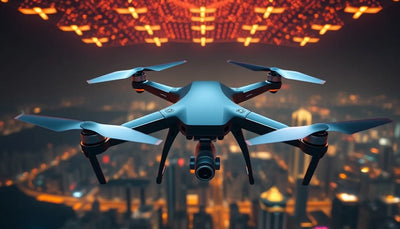
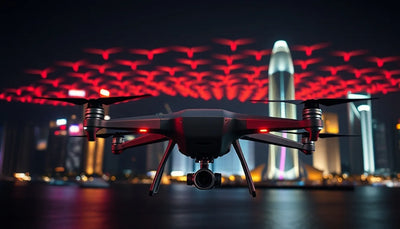
A National Day celebration in Hong Kong put 2,026 drones into the night sky in a single coordinated display, according to reporting from jwview.com. The event is the latest example of how large-count unmanned aerial vehicle fleets are being used for public spectacle, tourism promotion, and civic programming across China and nearby markets.
The display matters for commercial UAV operators because it demonstrates that multi-thousand-drone shows are no longer experimental one-offs. They are becoming a repeatable service format with real operational requirements around fleet preparation, flight synchronization, battery logistics, and post-event maintenance. For buyers and fleet managers, events like this offer a useful reference point for what high-volume drone operations actually demand on the ground.
What the Hong Kong display actually shows
The jwview.com report describes a National Day light show in which 2,026 drones illuminated Hong Kong's night sky. The figure is significant because it reflects a specific fleet size deployed for a single event, not a general estimate or a marketing projection. Coordinating more than two thousand aircraft in close proximity requires precise flight planning, reliable communication links, and a high degree of pre-flight preparation.
For commercial observers, the display also reinforces a broader pattern in the drone services market. Large light shows have become a popular way for cities, brands, and event organizers to create visual impact without fireworks. That shift has commercial consequences. It creates demand for fleets that can be deployed quickly, maintained between events, and cycled through inspection and repair workflows. A 2,026-drone show is not a one-person operation; it implies a support structure that includes spare units, battery handling, and technical staff.
What this means for drone owners and the market
Events like the Hong Kong National Day display influence how operators think about fleet scale and equipment turnover. When a service provider commits to shows involving thousands of aircraft, the economics change. Units are used intensively, stored between events, and replaced or repaired on a schedule. That creates a secondary market dynamic where well-maintained pre-owned DJI drones and OEM-pulled parts become practical options for smaller operators who want to enter or expand in the light show or event services segment without paying full retail on every airframe. For owners evaluating service and lifecycle risk, Drone Wiki explains the relevant repair, parts, resale, or operational path.
Reboot Hub analysis: For repair customers and fleet managers, the takeaway is that high-count operations put stress on components that are easy to overlook in single-drone workflows. Propellers, motor mounts, battery connectors, and sensor housings all see accelerated wear when aircraft are deployed in dense formations repeatedly. Operators who plan for that wear can reduce event-day failures. Those who do not often face last-minute sourcing pressure. Reboot Hub analysis suggests that the commercial light show segment is likely to keep pushing demand for reliable inspection and repair support, especially for operators running mixed fleets of current and older DJI airframes. Readers evaluating their own maintenance planning can find relevant technical references in the Drone Wiki.
There is also a procurement angle. A 2,026-drone display does not mean a buyer needs thousands of aircraft to participate in the market. Smaller operators can serve sub-scale events, corporate launches, and regional festivals with fleets in the dozens or low hundreds. The Hong Kong event is useful as a ceiling reference, not a minimum entry requirement. What matters commercially is reliability per aircraft, because a single failure in a synchronized formation can disrupt a show.
Fleet scale and the pre-owned equipment calculation
High-count drone displays create a specific kind of equipment lifecycle. Aircraft used in light shows often log relatively short flight times per event but experience frequent handling, transport, and battery cycling. That profile can make pre-owned units attractive for buyers who understand the use case. A drone that has flown many short, controlled missions may still have significant service life left if it has been inspected and maintained properly.
The pre-owned DJI market tends to respond to visible demand signals, and a major public display is one such signal. When operators see a successful large-scale show, some will explore whether they can offer similar services in their own regions. That exploration often starts with cost-sensitive equipment decisions. Inspected pre-owned aircraft and genuine OEM spare parts allow a new entrant to test the market without overcommitting capital. For established operators, pre-owned units can serve as backup airframes or training platforms.
There is no indication in the source data that the Hong Kong display used a specific DJI model or that any particular manufacturer supplied the fleet. Operators should avoid assuming that a public light show reflects a product endorsement or a verified technical benchmark for any single airframe. The commercially relevant fact is the fleet size and the operational discipline it implies.
What operators should watch next
The Hong Kong National Day show is one data point in a larger trend. Cities and event organizers across Asia have embraced drone light shows as a safer and more controllable alternative to fireworks in dense urban areas. That trend supports continued investment in fleet management software, battery logistics, and rapid-turnaround maintenance services.
For buyers, pilots, and repair customers, the practical step is to treat large displays as a reminder that fleet reliability is a planning discipline, not a last-minute fix. Operators who document flight hours, inspect aircraft after each event, and keep a buffer of spare parts are better positioned to take on high-pressure public performances. Those who treat maintenance as an afterthought will find that event-day problems are expensive and difficult to hide.
The commercial UAV market is still maturing, but events like this one show that the operational playbook for large fleets is becoming more standardized. That standardization is good for service providers, repair shops, and equipment resellers alike, because it makes demand more predictable and maintenance needs easier to anticipate.
FAQ
Frequently asked questions
How many drones were used in the Hong Kong National Day display?
According to the jwview.com report, 2,026 drones were used in the coordinated night sky display over Hong Kong.
Why does a large drone light show matter for commercial operators?
Large shows demonstrate that multi-thousand-drone fleets are becoming a repeatable service format, which creates demand for fleet management, maintenance planning, spare parts, and reliable pre-owned equipment.
Should a small operator try to match a 2,026-drone fleet?
Not necessarily. Smaller operators can serve sub-scale events with fleets in the dozens or low hundreds. The Hong Kong event is a useful reference for operational scale, but reliability per aircraft matters more than total fleet count for most commercial buyers.
Which sources support this update?
The visible evidence links identify DJI ROMO official robot vacuum page and DJI Support ROMO beginner guide; each source is used only for the claim it directly supports.
What remains subject to change?
Retail pricing, availability, product bundles and regulatory timelines can change. Readers should verify the latest terms with the named retailer, manufacturer or regulator before acting.
How should buyers or operators use this analysis?
Use the verified facts as a starting point, then compare mission fit, lifecycle support, maintenance needs and current procurement terms before making a purchase or fleet decision.
Konzultované zdroje
- jwview.com - primary source
- DJI ROMO official robot vacuum page - official product page
- DJI Support ROMO beginner guide - official support guide
Redakce Reboot Hub poskytuje vlastníkům dronů analýzy nákupů, oprav, prodejní hodnoty a provozu. Pokud narazíte na chybu, kontaktujte nás pro revizi opravy v souladu s našimi redakčními zásadami.