Guangdong-Hong Kong-Macao Drone Skills Contest Signals Workforce Push
A 24-team drone application technology skills competition across Guangdong, Hong Kong, and Macao points to growing regional investment in certified drone technicians, with direct implications for commercial operators and repair service capacity.

Quick answer
A drone application technology vocational skills competition brought together 24 representative teams from Guangdong, Hong Kong, and Macao, according to China News Network.
- 24 teams competed in drone application technology skills
- The event spanned Guangdong, Hong Kong, and Macao
- The competition focused on vocational and technical proficiency
- The report signals regional investment in drone workforce development
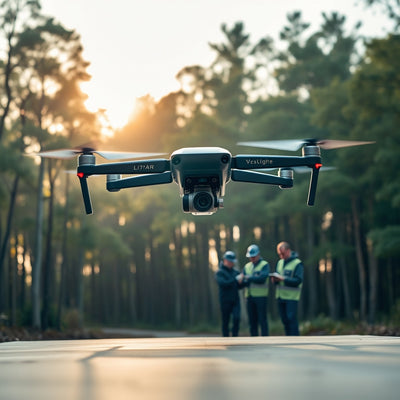
China News Network reports that 24 representative teams from Guangdong, Hong Kong, and Macao competed in a drone application technology vocational skills event, highlighting how seriously the region is treating the development of a professional drone workforce. The competition format centered on applied technical ability rather than recreational flying, which matters for commercial operators who depend on consistent, verifiable skill levels across maintenance, inspection, and flight operations.
Market context
Turn market news into a buy, repair, or trade-in decision.
Compare pre-owned availability, resale timing, and repair economics before the market moves again.

For drone buyers, fleet managers, and repair customers outside China, the event is a useful signal. When a major manufacturing and logistics region invests in standardized technical training, it tends to push more trained labor into the commercial drone ecosystem. That can eventually mean faster turnaround on repairs, better pre-owned inspection quality, and more predictable service outcomes for operators who rely on DJI hardware and OEM-pulled parts.
Why a regional skills competition matters commercially
The China News Network report frames the event as a vocational skills competition rather than a product showcase or a consumer expo. That distinction is important. Product launches generate headlines, but workforce development events reveal where operational capacity is being built. Twenty-four teams drawn from Guangdong, Hong Kong, and Macao suggests a coordinated effort to standardize drone application skills across a region that includes major logistics, manufacturing, and port infrastructure.
For commercial operators, the practical takeaway is that drone service capacity is becoming a formalized labor category. When technicians train against shared competition standards, buyers and fleet managers gain a clearer way to evaluate service providers. A repair shop staffed by formally assessed technicians is a different value proposition than one relying on informal experience alone, especially for enterprise fleets that need documented maintenance histories and repeatable inspection processes.
What this means for drone owners and the market
The most direct market implication is workforce supply. A region that produces more trained drone technicians can support more repair volume, more consistent pre-owned inspections, and more reliable fleet maintenance. For owners of pre-owned DJI drones, that is commercially relevant: the quality of a used airframe depends heavily on the skill of the person who inspected it. As formal technician training expands, the baseline for what counts as an acceptable pre-owned inspection may rise. For owners evaluating service and lifecycle risk, Drone Wiki explains the relevant repair, parts, resale, or operational path.
Reboot Hub analysis suggests that buyers should pay closer attention to how pre-owned drones are inspected and what parts are used in repairs. A drone that has been through a structured inspection process with genuine OEM spare parts is a materially different asset than one that has been patched together without documentation. Readers evaluating repair or pre-owned options can review the Drone Wiki for practical reference material on drone maintenance and ownership decisions.
For fleet operators, the regional competition also points to a longer-term trend: drone maintenance is becoming a recognized vocational path rather than an afterthought. That shift should eventually reduce the cost and variability of professional repair services. Operators who currently struggle to find qualified technicians may see that constraint ease as training pipelines mature, particularly in markets connected to Asian drone manufacturing and service hubs.
Repair capacity and the pre-owned DJI market
China News Network did not publish technical specifications or competition scoring details, so the report should be read as a workforce development signal rather than a product announcement. Still, the presence of 24 teams across three jurisdictions implies a meaningful training infrastructure. For the pre-owned DJI market, that infrastructure matters because most used drones require some level of service before resale: gimbal calibration, motor checks, battery health assessment, and firmware verification.
A larger pool of formally trained technicians supports more consistent pre-owned inventory. When inspection standards are uneven, buyers face hidden risk in the form of worn gimbals, degraded batteries, or undocumented prior repairs. When training standards improve, the information gap between sellers and buyers narrows. That is good for market liquidity and for buyers who want inspected pre-owned aircraft rather than unverified second-hand units.
The report also carries a subtle procurement implication. Organizations that buy drones in volume, whether for logistics, agriculture, or infrastructure inspection, increasingly need service-level confidence. Formal technician certification programs give procurement teams a way to require baseline maintenance competence from vendors. That trend is already visible in enterprise drone RFPs, and regional skills competitions reinforce it.
What operators should watch next
The Guangdong-Hong Kong-Macao competition is one data point, but it aligns with a broader pattern of drone work becoming more professionalized. Operators should watch for similar skills standardization efforts in their own markets, whether through vocational programs, industry association certifications, or manufacturer-authorized service networks. Each of those developments affects repair cost, turnaround time, and the resale value of used equipment.
For a buyer or pilot deciding what to do differently after this news, the answer is straightforward: treat technician skill as part of the purchase decision. Whether buying a new commercial drone or a pre-owned DJI unit, ask who will service it, what parts they use, and how their inspection process is documented. A drone is only as reliable as the maintenance behind it, and this regional competition suggests that maintenance quality is becoming a more visible and competitive factor.
FAQ
Frequently asked questions
What exactly did the source report?
China News Network reported that 24 representative teams from Guangdong, Hong Kong, and Macao competed in a drone application technology vocational skills event. The report focused on applied technical skills rather than product specifications or consumer features.
Why should commercial drone operators care about a skills competition in China?
Regional investment in technician training can expand the pool of qualified repair and maintenance labor. For operators who depend on consistent service quality, that trend may improve turnaround times, inspection reliability, and the overall professionalism of drone support services.
Does this news affect the pre-owned DJI drone market?
Indirectly, yes. More trained technicians can raise the baseline quality of pre-owned inspections and repairs. Buyers of used DJI drones benefit when sellers can document structured inspections and use genuine OEM spare parts rather than unverified components.
Which sources support this update?
The article distinguishes reported information from analysis and does not present an unverified source as official confirmation.
What remains subject to change?
Retail pricing, availability, product bundles and regulatory timelines can change. Readers should verify the latest terms with the named retailer, manufacturer or regulator before acting.
How should buyers or operators use this analysis?
Use the verified facts as a starting point, then compare mission fit, lifecycle support, maintenance needs and current procurement terms before making a purchase or fleet decision.
Konzultované zdroje
- Source material - primary source
V době publikování nebyla k dispozici žádná další oficiální dokumentace.
Redakce Reboot Hub poskytuje vlastníkům dronů analýzy nákupů, oprav, prodejní hodnoty a provozu. Pokud narazíte na chybu, kontaktujte nás pro revizi opravy v souladu s našimi redakčními zásadami.