FAA Creates World Cup No-Drone Zones: What Commercial Operators Must Know
The FAA has just locked down airspace over 11 U.S. host cities for the FIFA World Cup 2026, creating massive "No Drone Zones" that will cripple Part 107 operations for weeks. With penalties reaching $30,000+ and potential criminal charges, commercial operators must immediately adjust RTK surveying, mapping, and BVLOS flight plans. We analyze the TFRs, the impact on the second-hand drone market, and how to legally navigate the restrictions.

Redakční poznámky
- Tento článek kombinuje konkrétní externí zprávy s vlastní analýzou Reboot Hub pro kupce dronů, provozovatele flotil, zákazníky servisů a sledovatele trhu s repasovanými zařízeními DJI.
- Fakta ze zdrojů jsou oddělena od interpretace. Pokud zpráva poskytuje omezená data, článek tuto omezenost uvádí a prezentuje pohled Reboot Hub jako analýzu.
- Reboot Hub má komerční vazby na produkty a servisní služby pro drony; tyto odkazy jsou zdroji pro čtenáře a neurčují závěr článku.
The Federal Aviation Administration (FAA) has dropped a regulatory bombshell that will reshape commercial drone operations across the United States for the next two months. In coordination with the FIFA World Cup 2026, the agency has announced sweeping Temporary Flight Restrictions (TFRs) that effectively create "No Drone Zones" over stadiums, fan festivals, team hotels, training sites, and base camps in all 11 host cities. For commercial operators flying under FAA Part 107, this is not a minor inconvenience-it is a direct, immediate, and severe disruption to business-as-usual.
As of today, May 29, 2026, the clock is ticking. The first wave of TFRs takes effect in early June, and the full lockdown will span from the group stage through the final match on July 19. This analysis from Reboot Hub breaks down exactly what these zones mean, how they will impact high-stakes commercial work like RTK surveying, GSD mapping, and BVLOS routes, and what every drone pilot-from the solo operator to the enterprise fleet manager-needs to do right now to avoid catastrophic fines and legal fallout.

The Scope of the No-Drone Zones: A Gridlock of Airspace
The FAA's announcement, first reported by DRONELIFE, details a multi-layered approach to airspace security. The "No Drone Zones" are not simple circles around stadiums. They are dynamic, high-fidelity restrictions that encompass a wide radius around every official FIFA venue, including designated fan zones, team training grounds, and even hotels where players and officials are lodged. The restrictions will be enforced via NOTAMs (Notices to Air Missions) that will be updated in real-time.
Operator checklist
Turn policy news into a safer fleet decision.
Before changing aircraft, compare repair paths, available DJI inventory, and trade-in timing against the rule change.
For context, the 11 host cities are: Atlanta, Boston, Dallas, Houston, Kansas City, Los Angeles, Miami, New York/New Jersey, Philadelphia, San Francisco, and Seattle. Each city will have multiple TFRs active simultaneously. The FAA has stated that the restrictions will be in place from several hours before each match until the airspace is declared clear post-event. For the final match in New York/New Jersey, the TFR is expected to be the most extensive, potentially covering a 30-nautical-mile radius.
This is not a hypothetical advisory. The FAA has explicitly stated that violations will be met with "swift and severe" enforcement. We are talking about civil penalties of up to $30,000 per violation, and in cases where a drone is deemed to pose a security threat, the pilot could face criminal charges under the Patriot Act and other federal statutes. The message is clear: if you fly a drone in a World Cup No-Drone Zone, you are risking your career, your business, and your freedom.
Ready to Upgrade Your Fleet?
Browse our collection of inspected pre-owned DJI drones - inspected, flight-tested, and backed by a 6-month warranty. Save up to 40% versus retail.
What This Means for Commercial Drone Pilots and the Used Drone Market
For the average commercial drone pilot, the World Cup No-Drone Zones represent a brutal operational reality check. If your business relies on RTK surveying for construction sites near stadiums, or GSD mapping for agricultural projects within the exclusion zones, you are now effectively grounded for the duration of the tournament. This is not a time for risk-taking. The FAA has made it clear that there will be no blanket waivers. Individual Part 107 waivers for operations within these TFRs will be granted only for emergency or national security purposes-not for commercial real estate photography or routine inspection work.
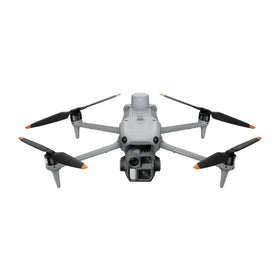
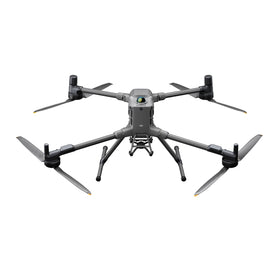
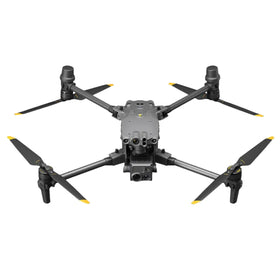
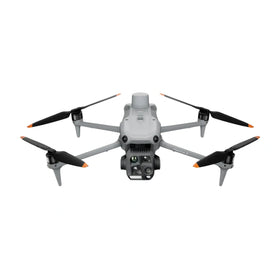
This disruption has a direct and immediate impact on the second-hand drone market. We are already seeing a surge in inquiries from operators who need to sell their fleets because they cannot operate in their primary service areas. Conversely, we are also seeing a spike in demand from operators in rural areas unaffected by the World Cup who want to expand their capacity to pick up overflow work. At Reboot Hub, we are closely monitoring this shift. The price of high-end used drones like the DJI Matrice 350 RTK and DJI Mavic 3 Enterprise is fluctuating as supply and demand realign.
For pilots looking to offload their gear, the current market is volatile. For those looking to buy, this is a unique opportunity to acquire top-tier equipment at a discount from operators who are desperate to liquidate. The used drone market is a living organism, and the World Cup is a major external shock. Navigate it wisely.
Q&A: What Does the FAA World Cup No-Drone Zone Mean for You?
Q: I am a Part 107 commercial operator with a mapping contract near a stadium. Can I get a waiver?
A: Almost certainly not. The FAA has stated that waivers for these specific TFRs will be extremely rare. They are prioritizing security over commerce. Your best bet is to reschedule all flights for the duration of the tournament or find work in a non-restricted area. Do not attempt to fly under the assumption that you will be granted a last-minute waiver.
Q: What are the exact penalties for flying in a World Cup No-Drone Zone?
A: The FAA can levy civil penalties of up to $30,000 per violation. Additionally, if your drone is intercepted by law enforcement or causes a security incident, you could face criminal charges under Title 18 of the U.S. Code, which includes fines and imprisonment. The Department of Homeland Security and local law enforcement will be actively monitoring these zones with drone detection systems.
Q: How long will these restrictions last?
A: The TFRs will be active from June 8, 2026, through July 19, 2026, covering the entire tournament. However, specific TFRs for individual matches will be published 72 hours in advance and will expire shortly after each event. You must check NOTAMs daily for the most current information.
Navigating the Legal Landscape: A Step-by-Step Compliance Guide
Compliance is not optional. It is the only path forward. Here is a concrete checklist for every commercial operator:
1. Audit Your Flight Plans Immediately. Review every scheduled mission between June 8 and July 19. If it falls within the 30-nautical-mile radius of any World Cup venue, fan zone, or team hotel, cancel it. Do not wait for a client to ask. Proactive compliance protects your business.
2. Use the FAA's B4UFLY App. This is your real-time guide to active TFRs. The app will be updated with every new World Cup restriction. Check it before every single flight, even if you think you are in a safe zone.
3. Communicate with Your Clients. Your clients need to understand that this is not a choice. The FAA has mandated this. Frame it as a force majeure event. Offer to reschedule or subcontract the work to a pilot operating in an unrestricted area.
4. Secure Your Equipment. If you have a fleet of drones that will be grounded, this is an excellent time to perform deep maintenance. Consider sending your DJI Matrice 300 or Mavic 3E for a full inspection. Our professional DJI repair services can ensure your gear is in peak condition for the post-World Cup rush.
The Long-Term Impact on the Drone Industry
Beyond the immediate operational disruption, the World Cup No-Drone Zones set a precedent. This is the largest and most complex temporary airspace restriction in U.S. history. It demonstrates the FAA's willingness to lock down entire metropolitan areas for major events. We can expect this model to be replicated for the 2028 Los Angeles Olympics and other large-scale events. Commercial operators must build contingency plans into their business models for such eventualities.
This also accelerates the adoption of UTM (Unmanned Traffic Management) systems. The FAA is using this event as a live-fire test for integrating drones into secure airspace. The lessons learned here will shape regulations for years to come. For the savvy operator, this is a signal to invest in compliance technology and to build relationships with local airspace authorities.
Finally, this is a moment of truth for the second-hand market. As operators in host cities liquidate their fleets, buyers in non-restricted areas can acquire high-quality pre-owned DJI drones at significant discounts. This is a classic market dislocation: one person's crisis is another's opportunity.
FAQ: Your Top Questions Answered
Can I fly my drone for personal recreation in a World Cup No-Drone Zone?
No. The restrictions apply to all drones, regardless of purpose. Whether you are flying a DJI Mini 4 Pro for fun or a Matrice 350 RTK for commercial surveying, the TFR is absolute. Recreational pilots face the same penalties as commercial operators.
Will the restrictions affect the ability to buy or sell used drones?
Yes, indirectly. The market for used drones in host cities is likely to see a temporary dip in demand as local operators are grounded. However, nationwide demand remains strong. At Reboot Hub, we are seeing increased interest from operators in non-host cities who want to expand their fleets to cover displaced work.
What should I do if I have a client who insists on flying during the World Cup?
Educate them immediately. Share this article. Refer them to the FAA's official press release. If they still insist, terminate the contract. The legal and financial risk is not worth any single client. Your Part 107 certification and your business are on the line.
This analysis was prepared by the Reboot Hub Editorial team. For the latest updates on drone regulations and the second-hand market, visit our blog regularly.
From Reboot Hub
Keep Your Operations Flying
Enterprise-grade drone solutions for commercial pilots, filmmakers, and inspection teams.
Pre-owned Fleet
Fully inspected DJI drones with 6-month warranty. Save up to 40%.
Browse Inventory ->