US Nuclear Missile Base Plans Chinese DJI Drone Purchase
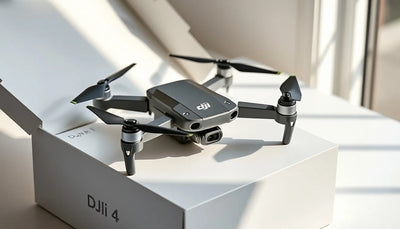
A reported US plan to buy Chinese-made DJI drones for a nuclear missile base has surfaced, raising procurement, security, and resale questions for commercial operators and fleet buyers.

Quick answer
US plans to buy Chinese DJI drones for a nuclear missile base, according to a report by RBC-Ukraine.
- The report identifies DJI as the drone brand involved in the planned purchase.
- The intended use site is described as a nuclear missile base.
- The report does not specify the DJI model, quantity, or procurement value.
- The development highlights ongoing tension between DJI's commercial market strength and US security procurement rules.
A report carried by RBC-Ukraine and aggregated through Google News indicates that the United States plans to buy Chinese-made DJI drones for use at a nuclear missile base. The report is short on operational detail, but the core claim is significant: a US military or defense-adjacent site, tied to nuclear missile operations, is named as the intended destination for DJI hardware.
Fleet readiness
Keep DJI hardware available without overbuying new units.
Use defense and fleet news as a planning signal for repair support, inspected pre-owned aircraft, and replacement timing.

For commercial drone operators, fleet managers, and repair customers, the story matters less for what it confirms about military logistics and more for what it signals about DJI's persistent position in the US market. Even as federal agencies and lawmakers have pushed to restrict DJI hardware in sensitive government settings, the brand continues to appear in procurement conversations where cost, availability, and proven flight performance outweigh policy concerns.
What the source actually reports
The available source material is limited. RBC-Ukraine's headline and summary state that the US plans to buy Chinese DJI drones for a nuclear missile base. The report does not specify which DJI model is involved, how many units are planned, which agency or contractor would execute the purchase, or whether the drones would be used for perimeter security, inspection, training, or another function.
Reboot Hub analysis should treat the report as a source-limited signal rather than a confirmed procurement contract. No official US government statement, contract award, or agency confirmation is included in the source data. The practical takeaway is that DJI remains a default option in procurement discussions, even in high-security contexts where Chinese-made hardware has faced formal restrictions.
Why DJI keeps appearing in restricted procurement settings
DJI's commercial drone lineup has long held a dominant share of the small unmanned aircraft market in the United States. Public agencies, utilities, construction firms, and public safety departments continue to buy DJI hardware because the aircraft are widely available, supported by a large service ecosystem, and familiar to pilots and maintenance teams.
That familiarity extends to the pre-owned market. When agencies or contractors pause DJI purchases due to policy reviews, the secondary market often absorbs the shift. Pre-owned DJI drones, OEM-pulled parts, and professional DJI repair services remain in demand because the installed base is so large. A reported purchase plan at a nuclear missile base, even if limited in detail, reinforces that DJI hardware is still considered operationally viable in environments where reliability is the first requirement.
What this means for drone owners and the market
For commercial buyers and fleet operators, the reported plan is a reminder that procurement policy and operational reality do not always move in the same direction. A buyer evaluating DJI hardware today should not assume that federal scrutiny has removed the brand from serious use. Instead, the more accurate view is that DJI equipment continues to circulate through public and private fleets, and that support for those aircraft remains commercially relevant.
The pre-owned DJI market is directly affected by this pattern. When government or enterprise users rotate equipment, inspected pre-owned aircraft and genuine OEM spare parts become available to smaller operators who need dependable hardware without paying full retail pricing. For repair customers, the steady flow of used DJI aircraft also sustains demand for professional DJI repair and OEM-pulled parts. Readers tracking these market shifts can consult the Drone Wiki for background on DJI platforms and ownership considerations. For owners evaluating service and lifecycle risk, Drone Wiki explains the relevant repair, parts, resale, or operational path.
Fleet managers should treat the nuclear missile base report as a procurement signal rather than a buying directive. The practical step is to monitor whether US defense or security agencies formalize any DJI purchase, and whether that triggers new policy guidance for commercial operators. For now, the report does not change the availability of DJI hardware, parts, or repair services in the civilian market.
Security scrutiny and the resale ripple effect
US lawmakers and federal agencies have repeatedly raised concerns about Chinese-made drones operating near sensitive infrastructure. Those concerns have led to agency-level restrictions and proposed legislation, but the source report suggests that practical procurement needs can still point back to DJI. This tension creates a two-speed market: one where policy discourages DJI in certain government roles, and another where commercial and even defense-adjacent buyers continue to evaluate the hardware on cost and capability.
For the second-hand market, the effect is nuanced. If high-profile procurement plans keep DJI in the news, commercial demand may remain steady. If security reviews tighten further, some fleet owners may offload DJI units, increasing the supply of pre-owned aircraft. Either way, buyers who understand the policy landscape can make more informed decisions about when to purchase, hold, or service DJI equipment.
FAQ
Frequently asked questions
Is the US government officially buying DJI drones for a nuclear missile base?
The source report states that the US plans to buy Chinese DJI drones for a nuclear missile base, but no official contract or agency confirmation is included in the available material. Treat the report as a source-limited signal until further documentation appears.
Which DJI model is named in the report?
The source data does not identify a specific DJI model. The report refers to DJI drones generally, without specifying the aircraft type, quantity, or intended operational role.
Does this change anything for commercial drone buyers or repair customers?
No immediate change is indicated. The report does not alter DJI hardware availability, parts supply, or repair service demand in the civilian market. Buyers and fleet managers should monitor whether the reported plan leads to new procurement guidance or policy changes.
Which sources support this update?
The article distinguishes reported information from analysis and does not present an unverified source as official confirmation.
What remains subject to change?
Retail pricing, availability, product bundles and regulatory timelines can change. Readers should verify the latest terms with the named retailer, manufacturer or regulator before acting.
How should buyers or operators use this analysis?
Use the verified facts as a starting point, then compare mission fit, lifecycle support, maintenance needs and current procurement terms before making a purchase or fleet decision.
تمت استشارة المصادر
ولم تكن الوثائق الرسمية الإضافية متاحة في وقت النشر.
تضيف افتتاحية Reboot Hub المشتري والإصلاح وإعادة البيع والتحليل التشغيلي لأصحاب الطائرات بدون طيار. إذا اكتشفت خطأ، فاتصل بنا لمراجعة التصحيح من خلال سياستنا التحريرية.