Ukrainian Drone's Flashlight Trick Captures Russian Soldier
A Ukrainian drone reportedly used its flashlight to deceive a Russian soldier into captivity, highlighting new tactical roles for small UAVs. Commercial operators should watch how battlefield innovations reshape demand for durable, mission-capable drones and the pre-owned market.

A recent battlefield report describes a Ukrainian drone using its onboard flashlight to deceive a Russian soldier, ultimately leading to his capture. The incident, covered by Tech Times, adds to a growing list of improvised tactical uses for small unmanned aerial vehicles in the ongoing conflict. While the operational details are limited, the story reinforces a broader trend: drones are no longer just reconnaissance or strike platforms. They are becoming tools for psychological and deceptive operations, a shift with real implications for how commercial operators think about drone durability, payload flexibility, and the long-term value of their equipment.
For commercial drone buyers, fleet managers, and those shopping the pre-owned DJI market, this kind of news may seem distant from daily operations. But the tactical innovations emerging from conflict zones often filter down to civilian applications, influencing design priorities, aftermarket demand, and the resale value of older models. Understanding these dynamics helps operators make smarter purchasing and repair decisions, especially when considering whether to invest in new hardware or extend the life of existing fleets.
The flashlight trick and what it reveals about drone design
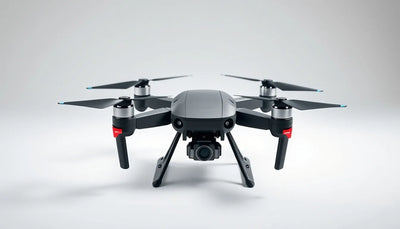
The core detail from the report is straightforward: a drone equipped with a flashlight was used to manipulate a soldier's perception, creating a window for capture. The exact mechanics of the deception are not described in the source material, but the implication is that the light was used to draw attention, create confusion, or mimic a signal, giving ground forces an advantage. This is a low-tech modification applied to a high-tech platform, and it works because the drone itself is already an accepted part of the battlefield environment.
Market context
Turn market news into a buy, repair, or trade-in decision.
Compare pre-owned availability, resale timing, and repair economics before the market moves again.

For commercial operators, the takeaway is not about military tactics but about payload flexibility. The ability to mount a simple accessory like a flashlight and use it effectively speaks to the modularity of modern small drones. Many enterprise and prosumer models already support accessory mounts, and this incident underscores why that flexibility matters. A drone that can carry a searchlight for nighttime inspections, a speaker for public safety announcements, or a sensor for agricultural mapping is more valuable than a single-purpose platform.
This also raises a practical question for repair and maintenance planning. Accessories that are mounted externally, especially in field conditions, add wear to gimbal systems, battery latches, and airframe attachment points. Operators who frequently swap payloads should budget for more frequent inspections of these connection points. Professional DJI repair services can address wear in these areas, but proactive checks are cheaper than reactive fixes.
What this means for drone buyers
For buyers considering a new or pre-owned drone, the flashlight incident is a reminder to evaluate a platform's accessory ecosystem, not just its camera specs or flight time. A drone that supports third-party mounts, has open SDK access, or offers a robust line of official accessories will hold its value better and serve a wider range of missions. This is especially relevant for those buying pre-owned DJI drones, where the previous owner's accessory choices can indicate how the aircraft was used and maintained.
When inspecting a used drone, look for signs of external accessory mounting. Scratches near the landing gear, worn rubber mounts, or aftermarket brackets can signal heavy payload use. These are not necessarily deal-breakers, but they should prompt a closer look at the gimbal and motor mounts. A drone that has been used primarily for simple aerial photography will generally have less wear than one used for industrial inspections with frequent payload swaps.
Fleet operators should also consider the psychological dimension of drone operations. The Ukrainian incident shows that drones can influence human behavior, not just collect data or deliver effects. In commercial contexts, this translates to public perception. A drone with a bright light or loud speaker can be a deterrent or a reassurance tool, depending on how it is used. Security firms, event organizers, and infrastructure operators may find value in drones that can project light or sound, expanding the use cases beyond simple observation.
Implications for the pre-owned market and repair decisions
The pre-owned drone market is sensitive to shifts in perceived utility. When a new tactical use case emerges, it often drives interest in specific models that can support that function. In this case, the drone used in the incident is not identified in the source material, so it would be speculative to name a specific model. However, the general trend is clear: drones with strong accessory support, reliable night operation, and robust build quality tend to see steady demand in the second-hand market.
Buyers looking at pre-owned units should prioritize aircraft with clean flight logs and documented maintenance. The flashlight trick, while clever, is a field improvisation that likely put additional stress on the drone's battery and power distribution system. In commercial terms, this mirrors the reality of drones used for extended night operations or heavy accessory loads. Battery health is a critical factor in pre-owned purchases, and buyers should request cycle counts and charge history when available.
Repair customers should be aware that accessory-related damage is a common issue. External mounts can loosen over time, leading to vibration that affects image stabilization. Cables routed outside the airframe can chafe and short. These are fixable issues, but they require genuine OEM spare parts to maintain the aircraft's integrity. Using non-standard parts for accessory mounting can void warranties and create safety risks, so it is worth working with a repair service that uses OEM components.
Broader market trends and operator takeaways
The Ukrainian drone flashlight incident is part of a larger pattern of rapid innovation in drone warfare. Each new tactic, whether it is FPV strikes, electronic warfare countermeasures, or deceptive lighting, influences the global drone market. Manufacturers observe these developments and adjust their product roadmaps. Commercial operators benefit from this trickle-down, as features once developed for military use eventually appear in civilian models, often at lower price points.
For the second-hand market, this means that older models can gain unexpected value if they are capable of supporting new use cases. A drone that was considered outdated for photography might become attractive to a security firm looking for a low-cost platform to mount a spotlight. This dynamic supports the case for maintaining older aircraft rather than retiring them early. A well-maintained pre-owned drone with a clean airframe and functional accessory mounts can serve a second life in a different role.
Operators should also think about training. The Ukrainian incident required a skilled pilot to position the drone and use the light effectively. In commercial settings, this translates to training pilots not just in basic flight, but in mission-specific applications like night operations, payload management, and communication with ground teams. Investing in pilot training increases the value of the entire fleet, whether the aircraft are new or pre-owned.
Finally, the incident highlights the importance of power management. Drones operating with external lights or other high-draw accessories consume battery faster than those flying clean. Fleet managers should plan for shorter flight times when accessories are in use and ensure that charging infrastructure can support rapid turnaround. This is a practical consideration that affects both new purchases and the decision to buy pre-owned units, where battery condition is often the weakest link.
How does this battlefield tactic affect commercial drone prices?
There is no direct pricing signal from this incident, but tactical innovations generally increase interest in versatile platforms. If a specific model becomes associated with a successful tactic, demand for that model, new or pre-owned, can rise. Buyers should monitor market listings for sudden price shifts after high-profile drone events, but should avoid overpaying based on hype.
Should I add a flashlight or spotlight to my commercial drone?
Yes, if your operations involve low-light conditions, search and rescue, or security patrols. Ensure the accessory is compatible with your drone's payload capacity and power output. Use OEM or certified mounts to avoid damaging the airframe, and factor in reduced flight time when the light is in use.
What should I check on a pre-owned drone used for accessory-heavy missions?
Inspect the gimbal for vibration damage, check all external mounting points for cracks or wear, and request battery cycle counts. Review the flight logs for any hard landings or abnormal power draw. If possible, have a professional service inspect the drone before purchase to avoid hidden repair costs.
تمت استشارة المصادر
- DIU Blue UAS - official government source
ولم تكن الوثائق الرسمية الإضافية متاحة في وقت النشر.
تضيف افتتاحية Reboot Hub المشتري والإصلاح وإعادة البيع والتحليل التشغيلي لأصحاب الطائرات بدون طيار. إذا اكتشفت خطأ، فاتصل بنا لمراجعة التصحيح من خلال سياستنا التحريرية.