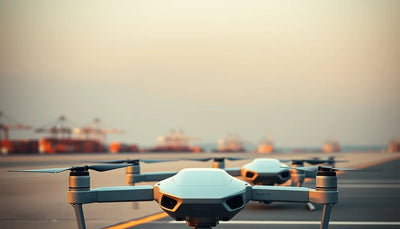
Shanghai Drone Delivery Pilot Moves Chilled Goods to Residents in 15 Minutes
A Shanghai drone delivery pilot is moving chilled produce to residential customers roughly 15 minutes after ordering, according to PChome Computer Home. The trial signals how urban logistics operators are testing temperature-sensitive payloads and tighter delivery windows in dense neighborhoods.

Quick answer
A drone delivery pilot in Shanghai is delivering chilled watermelon to residents roughly 15 minutes after they place an order, according to PChome Computer Home.
- The pilot focuses on chilled produce in a dense urban residential setting.
- Reported delivery time is approximately 15 minutes from order placement.
- The trial highlights growing commercial interest in temperature-sensitive drone logistics.
- Source-limited reporting means operational details beyond the core delivery claim remain unconfirmed.
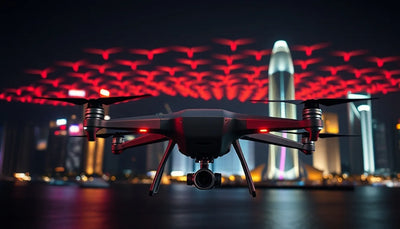
Urban drone delivery is moving beyond small parcel drops and into temperature-sensitive logistics. According to a report from PChome Computer Home, a drone delivery pilot has landed in Shanghai, allowing residents to receive chilled watermelon roughly 15 minutes after placing an order. The trial, attributed to the PG Mahjong Hu Le delivery effort, places a specific consumer product at the center of a faster fulfillment model in one of China's densest residential markets.
Market context
Turn market news into a buy, repair, or trade-in decision.
Compare pre-owned availability, resale timing, and repair economics before the market moves again.

The Shanghai pilot matters because it tests more than flight routing. It tests whether chilled goods can survive a short aerial handoff without breaking the cold chain, and whether residents will accept drone delivery as a routine convenience rather than a novelty. For commercial operators watching the logistics sector, the reported 15-minute window is the operational headline. It suggests that the bottleneck is no longer the aircraft itself, but how quickly a ground crew can load, launch, and hand off a temperature-sensitive package.
What the Shanghai pilot actually shows
The source report is narrow but specific: residents in Shanghai can order chilled watermelon and receive it by drone roughly 15 minutes later. PChome Computer Home frames the pilot as a consumer-facing delivery service rather than a warehouse-to-warehouse or medical logistics trial. That distinction is important. Consumer-facing urban drone delivery has historically struggled with landing permissions, rooftop access, and the final few meters between the aircraft and the customer's door.
A chilled watermelon is also a useful test payload. It is heavy enough to require stable flight performance, fragile enough to punish rough handling, and temperature-sensitive enough to expose weaknesses in packaging and handoff timing. If operators can deliver chilled produce reliably in a dense residential district, the same workflow could extend to meal kits, pharmacy items, or grocery orders. Reboot Hub analysis: the pilot is best understood as a service-model test rather than a hardware demonstration.
Still, the source does not confirm flight range, payload weight, aircraft model, regulatory approvals, or the number of daily deliveries. Those details may exist in local reporting, but they are not present in the available source data. Operators should treat the 15-minute figure as a reported service target, not a guaranteed performance benchmark across all routes or weather conditions.
Why chilled logistics is the next commercial test
Temperature-controlled delivery changes the economics of drone logistics. A drone carrying a room-temperature parcel can tolerate delays, rerouting, or a slow handoff. A drone carrying chilled produce cannot. The cold chain has to remain intact from the moment the package leaves refrigeration until the customer retrieves it. That places pressure on packaging design, ground crew speed, and the reliability of the delivery window itself.
For fleet planners, the Shanghai pilot suggests that urban drone services are increasingly being judged on perishable goods performance. A service that can reliably move chilled items in 15 minutes can justify higher per-delivery fees than one that only moves non-perishable parcels. That margin difference is what makes temperature-sensitive logistics attractive to commercial operators, even when the hardware and labor costs are higher.
The pilot also hints at a broader shift in how Chinese urban logistics companies think about drone delivery. Rather than positioning drones as a replacement for couriers, the model appears to position them as a speed layer for high-margin, time-critical goods. Chilled watermelon is not an emergency item, but it is a freshness-sensitive one. If consumers begin to expect 15-minute chilled delivery in certain districts, the pressure on ground-based courier networks will intensify in those same areas.
What this means for drone owners and the market
For individual drone owners and small commercial operators, the Shanghai pilot is a signal about where logistics demand is heading. Consumer delivery drones are not the same category as the camera drones most pilots fly, but the operational lessons transfer. Payload stability, battery management under load, and precise landing in constrained urban spaces are all skills that become more valuable as delivery services expand. Pilots who understand weight distribution, thermal limits, and rapid turnaround workflows will be better positioned if commercial delivery work opens in their region. For owners evaluating service and lifecycle risk, Drone Wiki explains the relevant repair, parts, resale, or operational path.
The pre-owned DJI market is also connected to this trend, even if the Shanghai pilot does not specify which aircraft are involved. As logistics trials grow, some operators will upgrade or reconfigure fleets, and that churn affects the supply of inspected pre-owned units and genuine OEM spare parts. Buyers who are evaluating a drone for light commercial work should pay attention to payload stability and serviceability, not just camera performance. For a clearer view of how different platforms hold up under commercial use, the Drone Wiki is a useful reference point.
Repair customers should also note the operational pattern here. Delivery drones fly more cycles per day than typical consumer drones, often with heavier payloads and shorter turnaround times. That kind of duty cycle accelerates wear on motors, gimbals, and battery connectors. If urban delivery scales, repair demand will shift toward high-cycle component replacement rather than crash repair alone. Shops that build expertise in motor replacement, battery health diagnostics, and payload mounting systems will be better aligned with the next wave of commercial work.
What operators should watch next
The most important unanswered question is whether the Shanghai pilot expands beyond a single product category. Chilled watermelon is a smart launch item because it is visually recognizable and easy for residents to understand. But the real commercial test is whether the service can handle a broader chilled inventory without losing the 15-minute window. If it can, the pilot becomes a template for grocery and meal delivery in other dense Chinese cities.
Operators should also watch for any mention of regulatory approvals or airspace coordination. Urban drone delivery in Shanghai requires routing that accounts for buildings, pedestrian density, and existing air traffic. The source report does not detail those approvals, but any expansion of the pilot will depend on them. For now, the safest reading is that the service is operating in a limited, controlled area with specific launch and landing points.
For fleet managers and procurement teams, the takeaway is to treat this as an early-stage logistics signal rather than a proven market. The 15-minute delivery claim is compelling, but it has not been independently verified in the available source data. The right response is to monitor similar pilots, evaluate whether temperature-sensitive delivery aligns with your operating region, and keep fleet decisions grounded in verified performance data rather than headline delivery times.
FAQ
Frequently asked questions
What is the Shanghai drone delivery pilot delivering?
According to PChome Computer Home, the pilot is delivering chilled watermelon to residents in Shanghai, with a reported delivery time of roughly 15 minutes after an order is placed.
Does this pilot mean drone grocery delivery is now widely available in Shanghai?
The source describes a limited pilot, not a citywide service. Operational details such as coverage area, daily delivery volume, and regulatory approvals are not confirmed in the available reporting.
How does this affect drone buyers and repair customers?
The pilot signals growing demand for drones that can handle temperature-sensitive payloads and high-cycle commercial work. That trend may influence fleet upgrades, pre-owned inventory availability, and repair demand for motors, batteries, and payload systems over time.
Which sources support this update?
The article distinguishes reported information from analysis and does not present an unverified source as official confirmation.
What remains subject to change?
Retail pricing, availability, product bundles and regulatory timelines can change. Readers should verify the latest terms with the named retailer, manufacturer or regulator before acting.
How should buyers or operators use this analysis?
Use the verified facts as a starting point, then compare mission fit, lifecycle support, maintenance needs and current procurement terms before making a purchase or fleet decision.
تمت استشارة المصادر
- Source material - primary source
ولم تكن الوثائق الرسمية الإضافية متاحة في وقت النشر.
تضيف افتتاحية Reboot Hub المشتري والإصلاح وإعادة البيع والتحليل التشغيلي لأصحاب الطائرات بدون طيار. إذا اكتشفت خطأ، فاتصل بنا لمراجعة التصحيح من خلال سياستنا التحريرية.