Pocket gimbal camera meets autonomous drone in one new device
A Chinese brand has merged a pocket gimbal camera with an autonomous drone into one device. We break down what this design shift means for buyers, fleet operators, and the pre-owned DJI market.

A Chinese brand has combined a pocket gimbal camera and an autonomous drone into a single device, according to a report from t3.com. The news signals a notable convergence in consumer drone design: instead of carrying a separate handheld gimbal camera and a drone, operators may soon have one unit that serves both roles. For commercial buyers and fleet managers, the concept raises practical questions about versatility, repair complexity, and how this hybrid approach fits into an existing drone ecosystem.
The report does not name a specific model or release date, and no official specifications have been confirmed. What matters for the market is the direction: hardware makers are actively exploring form factors that reduce the number of devices a pilot needs to carry. That is a meaningful shift for anyone who currently budgets for both a pocket gimbal camera and a compact autonomous drone as separate line items.
The design logic behind a gimbal-camera drone hybrid
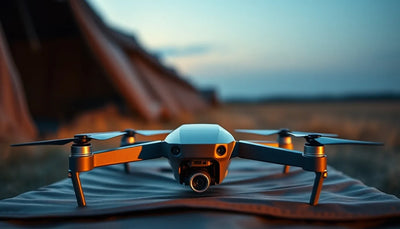
The core idea reported by t3.com is that a single device can house both a pocket gimbal camera and the flight hardware of an autonomous drone. In practice, this means the camera module that works in your hand can also be mounted into the drone airframe for flight capture. For operators, the appeal is straightforward: one purchase, one battery ecosystem, and one device to maintain instead of two.
DJI buying context
Match product news to hardware you can actually deploy.
Check inspected DJI aircraft, repair support, and trade-in timing before deciding whether to upgrade, repair, or wait.

From a commercial standpoint, the hybrid approach could reduce upfront equipment costs for solo operators and small teams. A pilot who needs ground-level gimbal footage for an inspection and aerial coverage of the same site would no longer need to buy, charge, and transport two separate systems. The trade-off is that a combined device may not match the performance of a dedicated pocket gimbal camera or a purpose-built autonomous drone in their respective specialties.
For repair planning, this design introduces a new consideration. A dedicated gimbal camera and a drone have separate failure modes and separate spare parts. A hybrid unit concentrates those components into one chassis, which could simplify logistics for some operators but also create a single point of failure. If the gimbal mechanism fails, the drone may be grounded even if the flight systems are healthy.
What this means for drone buyers
For buyers evaluating this new category, the first step is to clarify the intended use case. If your work requires both handheld gimbal footage and autonomous aerial capture, a hybrid device could consolidate your gear bag and lower your total cost of ownership. If your operation relies on a dedicated camera for ground work and a separate drone for flight, the hybrid may not offer enough performance in either mode to justify replacing two proven tools.
Fleet operators should also consider the training and maintenance implications. A hybrid device introduces a new workflow: pilots must learn to transition the camera between handheld and flight modes, and repair technicians must understand a combined system rather than two familiar platforms. For teams that already standardize on a single drone platform, adding a hybrid device means managing a second airframe type with its own spare parts inventory.
Another practical point is the second-hand market. As new hybrid devices enter the market, the pre-owned value of dedicated pocket gimbal cameras and older compact drones may shift. Operators who are considering upgrading should watch how the resale market responds once the hybrid device actually ships. If you are planning to sell existing gear, the timing of that sale could matter more than usual.
Market context and the pre-owned DJI angle
The report does not mention DJI by name, but the product category directly competes with the pocket gimbal camera segment that DJI helped popularize. For buyers who already own a DJI pocket gimbal camera, the hybrid concept raises a practical question: does a combined device replace your current setup, or does it simply add another option? The answer depends on whether you value the portability of a dedicated pocket camera over the convenience of an integrated drone.
For the pre-owned DJI market, this news is a reminder that hardware categories evolve. When a new hybrid device launches, older dedicated models often become more affordable on the secondary market. Operators who do not need the combined form factor may find good value in inspected pre-owned DJI drones as sellers shift toward the new category. Buyers should compare the total cost of a hybrid device against the price of a pre-owned DJI drone plus a separate pocket gimbal camera, factoring in battery compatibility and repair availability.
Repair services will also need to adapt. A hybrid device combines gimbal mechanics, camera electronics, and flight hardware in one airframe. If the device gains traction, professional DJI repair services and independent shops will need to develop expertise in this combined architecture. For now, operators should confirm that any hybrid device they consider has a clear repair path and available genuine parts before committing to a purchase.
What operators should do before buying into the hybrid category
The immediate action for buyers and fleet managers is to wait for confirmed specifications and availability. The t3.com report describes the concept but does not provide pricing, flight time, camera quality, or autonomy details. Without those facts, any purchase decision would be based on incomplete information. Operators should monitor official announcements from the manufacturer and compare the hybrid device against their current gear on measurable criteria: image quality, flight endurance, portability, and total cost of ownership.
For those who need a new device now, the practical move is to evaluate whether a dedicated setup still meets your needs. If your operation already runs a reliable drone and a separate gimbal camera, there is no urgency to switch. If you are starting fresh and want to minimize gear, the hybrid concept is worth watching, but only once real specifications are published.
On the repair and resale side, operators should keep their current equipment in good condition. A clean, well-maintained drone retains more value when you decide to trade up. If you are considering selling existing gear to fund a hybrid purchase, review your options early and plan the transition around confirmed product availability rather than a speculative announcement.
Is this hybrid device available for purchase now?
No. The t3.com report describes the device and the concept, but it does not provide a release date, pricing, or availability. Operators should treat this as an early product announcement and wait for official confirmation from the manufacturer.
Will this hybrid replace a dedicated pocket gimbal camera?
It may for some users, but not for everyone. A combined device offers convenience and fewer items to carry, but a dedicated pocket gimbal camera typically offers a more refined handheld experience. The decision depends on whether you prioritize portability and consolidation over dedicated performance in each mode.
How should this news affect my decision to buy a pre-owned DJI drone?
It should not change your decision unless you were already planning to buy a hybrid device. If the new category gains traction, older dedicated models may become more affordable on the secondary market. Buyers looking for value can consider inspected pre-owned DJI drones while monitoring how the hybrid device performs once it actually ships.