Fortem and MBDA expand DroneHunter air defense partnership
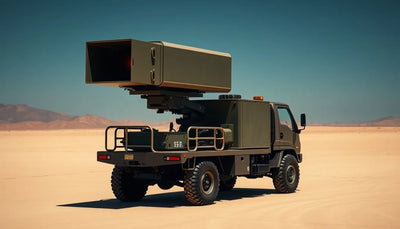
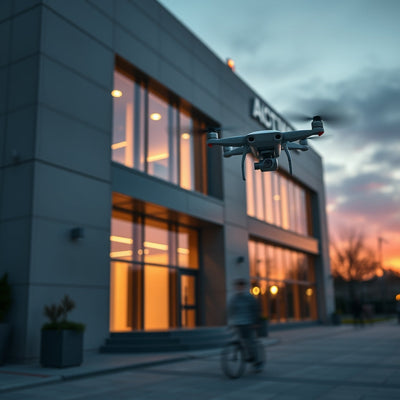
Fortem Technologies and MBDA are broadening their counter-drone collaboration, moving the DroneHunter interceptor deeper into European and allied air defense networks. The expanded agreement signals growing procurement interest in autonomous net-capture systems for military and government customers.

Quick answer
Fortem Technologies and MBDA are expanding their partnership to integrate the DroneHunter autonomous interceptor into MBDA Sky Warden counter-UAS architecture for European and allied military customers.
- The expanded agreement builds on a 2024 technical collaboration between the two companies.
- DroneHunter is an autonomous interceptor designed for net-capture counter-drone missions.
- The integration targets air defense networks used by military and government customers across Europe and allied markets.
- The development was reported by DroneDJ on October 15, 2026.
Evidence: DroneDJ · AeroVironment unmanned systems solutions · FAA UAS official guidance · Defense.gov official source
Fleet readiness
Keep DJI hardware available without overbuying new units.
Use defense and fleet news as a planning signal for repair support, inspected pre-owned aircraft, and replacement timing.

Fortem Technologies and European missile systems group MBDA are expanding their partnership to bring autonomous counter-drone interception into broader air defense networks, according to reporting published by DroneDJ on October 15, 2026. The expanded agreement builds on a technical collaboration launched in 2024, when the two companies integrated Fortem's DroneHunter autonomous interceptor into MBDA's Sky Warden counter-uncrewed aircraft systems architecture.
The development matters because it signals how defense procurement in Europe and allied markets is evolving around layered counter-UAS capabilities. Rather than treating drone interception as a standalone security tool, integrators like MBDA are folding autonomous interceptors into wider air defense ecosystems. For commercial operators, fleet planners, and anyone tracking the defense drone supply chain, that shift has implications for technology validation, component demand, and the long-term direction of counter-drone spending.
What the expanded Fortem-MBDA agreement covers
DroneDJ's report describes the expanded agreement as a move to bring Fortem's DroneHunter autonomous interceptor into air defense networks used by military and government customers across Europe and allied markets worldwide. The companies first began technical collaboration in 2024, integrating DroneHunter into the Sky Warden counter-UAS architecture. The new phase extends that integration toward broader operational use within allied defense frameworks.
DroneHunter is a net-capture interceptor designed to physically disable or remove unauthorized drones from protected airspace. Unlike radio-frequency jamming or kinetic solutions, net-capture approaches aim to minimize collateral risk in populated or sensitive environments. MBDA's Sky Warden provides the sensor, command, and effect coordination layer that lets operators detect, track, and respond to drone threats within a unified system. The expanded partnership suggests that both companies see enough technical maturity and customer interest to move from integration work toward procurement-facing deployment.
Reboot Hub analysis: the practical takeaway for defense-adjacent operators is that counter-UAS procurement is consolidating around integrated architectures rather than point solutions. A fleet manager or security contractor evaluating counter-drone options should watch whether prime integrators like MBDA continue to validate autonomous interceptors as standard components of layered air defense. That validation pattern, once established, tends to shape tender requirements and interoperability expectations across allied markets.
Why European and allied air defense buyers are paying attention
The European defense market has been under pressure to accelerate counter-drone adoption following repeated incidents involving unauthorized or hostile drones near military installations, airports, and critical infrastructure. DroneDJ's reporting places the Fortem-MBDA expansion squarely within that procurement environment, where government customers are looking for systems that can operate within existing command-and-control frameworks rather than as isolated add-ons.
For military and government buyers, the appeal of an integrated approach is straightforward. A counter-drone system that plugs into an established air defense architecture reduces training burden, simplifies logistics, and improves coordination between sensor operators and interceptor units. The Sky Warden integration gives DroneHunter a pathway into contracts that might otherwise favor larger, more established defense primes. For Fortem, the partnership provides distribution reach and credibility that would be difficult to build independently in European defense markets.
The commercial implication extends beyond the immediate contract cycle. When a major European missile systems integrator validates an autonomous interceptor platform, it creates a reference point for other allied procurement bodies. Smaller defense ministries and government agencies often follow the technical choices made by larger partners, which can accelerate adoption of similar counter-drone approaches across multiple markets.
What this means for drone owners and the market
Reboot Hub analysis: The expansion of counter-UAS integration work has a direct, if indirect, effect on commercial drone operators and buyers. As military and government customers deploy more sophisticated counter-drone systems around sensitive sites, airspace restrictions and detection expectations are likely to tighten. Operators flying near ports, borders, energy infrastructure, or government facilities should anticipate more rigorous enforcement and more frequent requests for flight authorization, even in areas that previously tolerated low-altitude commercial activity.
For fleet planners and procurement teams, the Fortem-MBDA development is a signal that counter-drone technology is moving from experimental to operational status in European defense networks. That maturation tends to increase demand for reliable drone identification, remote ID compliance, and predictable flight behavior among commercial platforms. Operators who maintain clean compliance records and documented maintenance histories will be better positioned as airspace managers apply stricter scrutiny to drone activity near protected zones. For those managing pre-owned DJI fleets or evaluating repair and parts sourcing, the message is similar: airspace enforcement is becoming more systematic, and platforms with verifiable maintenance and ownership documentation will face fewer operational frictions. Reboot Hub's Drone Wiki offers practical reference material for operators who need to understand platform documentation, maintenance records, and compliance basics as enforcement environments evolve. For owners evaluating service and lifecycle risk, Drone Wiki explains the relevant repair, parts, resale, or operational path.
The pre-owned DJI market may feel a secondary effect. As defense and security agencies invest more heavily in counter-drone detection, commercial operators face growing pressure to demonstrate that their aircraft are identifiable, compliant, and properly maintained. Buyers in the second-hand market should prioritize units with clear serial numbers, intact remote ID capability where applicable, and service records that can be produced if questioned by authorities or airspace managers. Sellers who can document professional inspection and genuine OEM spare parts usage will likely see stronger resale value as buyers become more cautious about undocumented platforms.
What to watch next in counter-drone procurement
The Fortem-MBDA expansion is one data point in a broader trend toward integrated, layered counter-UAS procurement. DroneDJ's report does not specify contract values, delivery timelines, or customer names, so the immediate commercial scale remains unclear. What is clear is that the partnership has moved beyond technical feasibility and into a phase where both companies are positioning for operational deployments across multiple allied markets.
Operators and buyers should watch for follow-on announcements that name specific government customers, tender awards, or interoperability standards. Those details will reveal whether the DroneHunter integration translates into volume procurement or remains a niche capability within larger air defense programs. Fleet managers evaluating counter-drone exposure should also monitor whether European regulators introduce new requirements for drone identification or geofencing near protected sites, since those rules would directly affect commercial flight planning.
The practical step for most commercial operators is not to react to this single announcement, but to treat it as confirmation that counter-drone enforcement is becoming a permanent feature of European and allied airspace management. Maintaining documented, compliant, and well-serviced aircraft is the most reliable way to stay operational as that enforcement matures.
FAQ
Frequently asked questions
What did Fortem and MBDA announce?
Fortem Technologies and MBDA are expanding their partnership to integrate the DroneHunter autonomous interceptor into MBDA's Sky Warden counter-UAS architecture for military and government customers across Europe and allied markets, according to DroneDJ reporting from October 15, 2026.
How does DroneHunter work?
DroneHunter is an autonomous net-capture interceptor designed to disable or remove unauthorized drones from protected airspace. It was integrated into the Sky Warden counter-UAS architecture beginning in 2024 as part of the technical collaboration between Fortem and MBDA.
What should commercial drone operators do differently after this news?
Operators flying near sensitive sites should expect tighter counter-drone enforcement and more rigorous airspace scrutiny. Maintaining documented compliance, verifiable maintenance records, and clean platform identification will reduce operational friction as European and allied counter-UAS networks expand.
Which sources support this update?
The visible evidence links identify DroneDJ and AeroVironment unmanned systems solutions and FAA UAS official guidance and Defense.gov official source; each source is used only for the claim it directly supports.
What remains subject to change?
Retail pricing, availability, product bundles and regulatory timelines can change. Readers should verify the latest terms with the named retailer, manufacturer or regulator before acting.
How should buyers or operators use this analysis?
Use the verified facts as a starting point, then compare mission fit, lifecycle support, maintenance needs and current procurement terms before making a purchase or fleet decision.
تمت استشارة المصادر
- DroneDJ - primary source
- AeroVironment unmanned systems solutions - official company source
- FAA UAS official guidance - official regulator source
- Defense.gov official source - official government source
تضيف افتتاحية Reboot Hub المشتري والإصلاح وإعادة البيع والتحليل التشغيلي لأصحاب الطائرات بدون طيار. إذا اكتشفت خطأ، فاتصل بنا لمراجعة التصحيح من خلال سياستنا التحريرية.