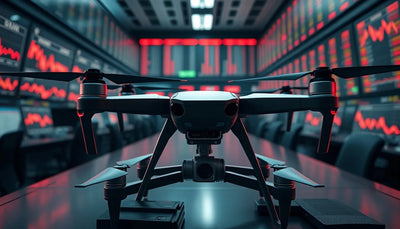
يتحول مشترو الطائرات بدون طيار لأول مرة نحو النماذج المصغرة المدعومة بالذكاء الاصطناعي
تشير تقارير DroneDJ إلى أن صانعي الطائرات بدون طيار الجدد يعيدون تصميم تجربة الرحلة الأولى حول مساعدة الذكاء الاصطناعي، مما يقلل من عامل التخويف الذي أبطأ المشترين لأول مرة منذ فترة طويلة. يعد هذا التحول مهمًا للبائعين التجاريين ومحلات التصليح وسوق مستعمل مع تغير توقعات المشتري.

الجواب السريع
تشير تقارير DroneDJ إلى أن صانعي الطائرات بدون طيار الأحدث يستهدفون الطيارين لأول مرة بطائرات بدون طيار صغيرة مدعومة بالذكاء الاصطناعي مصممة لتقليل التخويف من أوضاع الطيران والمصطلحات المعقدة.
- غالبًا ما يشعر المشترون لأول مرة بالارتباك بسبب مصطلحات مثل أوضاع الطيران، واستشعار العوائق، وخوارزميات التتبع.
- يقوم صانعو الطائرات بدون طيار الأحدث بتأطير مساعدة الذكاء الاصطناعي كوسيلة لتبسيط تجربة الرحلة الأولى.
- يمكن أن يؤثر هذا التحول على ما يتوقعه المشترون المبتدئون من واجهات الطائرات بدون طيار والدعم.
- قد يؤثر هذا الاتجاه على كيفية وضع محلات التصليح وبائعي مستعمل للنماذج الملائمة للمبتدئين.
الأدلة:درون دي جي
Market context
Turn market news into a buy, repair, or trade-in decision.
Compare pre-owned availability, resale timing, and repair economics before the market moves again.

لطالما كان شراء أول طائرة بدون طيار يمثل مشكلة احتكاك هادئة. يبدأ الطيار المحتمل بالإثارة، ثم يصطدم بجدار من المصطلحات: أوضاع الطيران، واستشعار العوائق، وخوارزميات التتبع، والعودة إلى المنزل، وأجهزة استشعار الكاميرا. بحسب تقرير مندرون دي جييتعامل صانعو الطائرات بدون طيار الجدد الآن مع هذا التخويف باعتباره مشكلة تصميم وليس مشكلة عملاء. والنتيجة هي موجة من الطائرات الصغيرة بدون طيار المدعومة بالذكاء الاصطناعي والتي تستهدف بشكل مباشر الأشخاص الذين يرغبون في الطيران دون الحصول أولاً على دورة تدريبية في عطلة نهاية الأسبوع في أنظمة الطائرات بدون طيار.
يشير التقرير إلى تحول أوسع في السوق. وبدلاً من افتراض أن المشترين سيتعلمون المفردات، يقوم المصنعون بدمج المساعدة في تجربة الطيران نفسها. وهذا يغير ما يُتوقع أن تفعله الطائرات بدون طيار للمبتدئين، ويغير ما سيقارنه المشترون عند التسوق. بالنسبة للمشغلين التجاريين ومحلات التصليح وبائعي مستعمل، فإن الإشارة تستحق المراقبة عن كثب.
التحول المبلغ عنه نحو الرحلات الجوية الأولى بمساعدة الذكاء الاصطناعي
تتناول تغطية DroneDJ المشكلة بعبارات واضحة: غالبًا ما يتوقف مشتري الطائرات بدون طيار لأول مرة قبل أن يطيروا. يصف المصدر تجربة تصفح مليئة بلغة تقنية غير مألوفة، مما يحول ما ينبغي أن يكون عملية شراء مثيرة إلى شيء يبدو أنه يتطلب تدريبًا رسميًا. يشير التقرير إلى أن صانعي الطائرات بدون طيار الأحدث يستجيبون من خلال بناء ميزات الذكاء الاصطناعي التي تقلل العبء المعرفي في الرحلة الأولى.
ما يهم هنا ليس أي قائمة ميزات واحدة، والتي لم يقدمها المصدر بالتفصيل. التطور المهم هو تحديد المواقع. يتعامل المصنعون مع تجربة الرحلة الأولى باعتبارها عامل تمييز للمنتج، وليس كفكرة لاحقة. يعد هذا تغييرًا كبيرًا عن الطائرات بدون طيار السابقة، والتي غالبًا ما كانت تفترض أن الطيار سيتعلم التحكم اليدوي قبل الاستمتاع بالطائرة. إذا أصبحت مساعدة الذكاء الاصطناعي هي التوقع الافتراضي للمشترين لأول مرة، فإن المشهد التنافسي للأجهزة ذات المستوى المبتدئ يتغير معها.
تحليل Reboot Hub: يتوافق هذا الاتجاه مع ما كان يفعله سوق الطائرات بدون طيار الاستهلاكية الأوسع لعدة سنوات، ولكنه يزيد من التركيز على شريحة المشترين الأحدث. عندما تصبح ميزات المساعدة هي نقطة البيع الرئيسية، فإن المحادثة تبتعد عن أداء الرحلة الأولي ونحو إمكانية الوصول. وهذا له تأثيرات لاحقة على كيفية تسويق الطائرات بدون طيار ودعمها وإعادة بيعها في نهاية المطاف.
لماذا تتغير توقعات المشتري
تحليل Reboot Hub:يسلط تقرير المصدر الضوء على حاجز عاطفي محدد: التخويف. من غير المرجح أن يكمل المشتري الذي يشعر بالإرهاق من المصطلحات عملية الشراء، ومن غير المرجح أن يطير بثقة، ومن الأرجح أن يعود أو يعيد بيع الطائرة بدون طيار بسرعة. يشير إطار DroneDJ إلى أن الشركات المصنعة الأحدث ترى أن هذا الحاجز قابل للحل من خلال التبسيط القائم على الذكاء الاصطناعي.
بالنسبة للجانب التجاري من السوق، فإن هذا مهم من عدة جوانب. أولاً، قد يطور المشترون المبتدئون الذين يبدأون بطائرات صغيرة بدون طيار مدعومة بالذكاء الاصطناعي توقعات مختلفة لطائرات أكبر أو أكثر تقدمًا لاحقًا. قد يتوقعون المساعدة والوعي بالعوائق والضوابط المبسطة كمعيار وليس قسطًا. ثانياً، يتغير عبء الدعم. قد يحتاج المشتري الذي لم يتعلم مطلقًا أساسيات الطيران اليدوية إلى مساعدة مختلفة عندما يحدث خطأ ما، سواء كان ذلك سؤالاً حول البرامج الثابتة، أو مشكلة في المستشعر، أو قرار الإصلاح.
سوق مستعمل ليس محصنًا. إذا انجذب المشترون لأول مرة بشكل متزايد نحو النماذج المدعومة بالذكاء الاصطناعي، فقد يصبح من الصعب تحريك الطائرات بدون طيار القديمة ذات المستوى المبتدئ والتي لا تحتوي على هذه الميزات. سيكون البائعون الذين يفهمون ما يقارن به المشترون الجدد في وضع أفضل لشرح القيمة وتحديد التوقعات والسعر وفقًا لذلك.
ماذا يعني هذا بالنسبة لأصحاب الطائرات بدون طيار والسوق
إن النتيجة الأكثر إلحاحًا بالنسبة لأصحاب الطائرات بدون طيار الحاليين والمحتملين هي أن فئة المبتدئين أصبحت أكثر تسامحًا. تشير تقارير DroneDJ إلى أن الشركات المصنعة تتنافس بنشاط على سهولة الاستخدام لأول مرة، الأمر الذي من شأنه أن يفيد المشترين الذين ظلوا على الحياد لأن منحنى التعلم كان شديد الانحدار. بالنسبة لمشغلي الأساطيل والمشترين التجاريين، يعد هذا الاتجاه بمثابة تذكير بأن تدريب الطيارين واختيار الأجهزة ليسا قرارين منفصلين. إذا وصل موظفون جدد بخبرة فقط على طائرات بدون طيار صغيرة مدعومة بشكل كبير، فقد يحتاج التدريب الانتقالي إلى مراعاة هذه الفجوة.
ينبغي أيضًا على محلات التصليح الانتباه. تركز الطائرات الصغيرة بدون طيار المدعومة بالذكاء الاصطناعي على أجهزة الاستشعار والمعالجة على متن الطائرة بشكل أكبر من مكونات الطيران الميكانيكية البحتة. يمكن أن يؤدي ذلك إلى تغيير طبيعة الإصلاحات والتشخيصات الشائعة. بالنسبة للمشترين الذين يقومون بتقييم طائرات بدون طيار مستعمل DJI أو غيرها من الطائرات المستعملة، فإن المفتاح هو التساؤل عن ميزات المساعدة التي يتمتع بها النموذج بالفعل، وليس فقط الفئة التي يندرج فيها. نقطة البداية المفيدة لفهم اختلافات النماذج واعتبارات الملكية هي Drone Wiki، والتي يمكن أن تساعد المشترين والمشغلين على مقارنة ما يحصلون عليه فعليًا قبل الالتزام. للمالكين الذين يقومون بتقييم مخاطر الخدمة ودورة الحياة،Drone Wikiيشرح مسار الإصلاح أو قطع الغيار أو إعادة البيع أو التشغيل ذي الصلة.
التأثير الأوسع للسوق هو أن الطائرات بدون طيار للمبتدئين أصبحت أقل اهتمامًا بمهارات القيادة الأولية وأكثر اهتمامًا بالطيران المُدار. وهذا لا يجعل المهارات اليدوية قديمة، لكنه يغير مكان وجود القيمة. بالنسبة لأي شخص يبيع في شريحة المشترين لأول مرة، فإن الرسالة الواردة من المصدر واضحة: أصبحت سهولة الاستخدام الآن حافزًا أساسيًا للشراء، وليست فائدة ثانوية.
ما يجب على المشترين والمشغلين مشاهدته بعد ذلك
تقرير المصدر عبارة عن لقطة، وليس مراجعة كاملة للمنتج. إنها لا توفر مواصفات أو أسعار أو تفاصيل توافق تم التحقق منها لفئة الطائرات بدون طيار الصغيرة التي تعمل بالذكاء الاصطناعي، لذا يجب على المشترين التعامل مع مطالبات الميزات المحددة بالحذر المناسب. ما تثبته التقارير هو اتجاهي: يستثمر المصنعون في بساطة الرحلة الأولى كسلاح تنافسي.
بالنسبة للمشغلين التجاريين، تتمثل الخطوة العملية في مراقبة كيفية تأثير ميزات المساعدة على مستوى الدخول على توقعات الطيارين خلال دورات الشراء القليلة القادمة. بالنسبة لشركات الإصلاح وإعادة البيع، تتمثل المهمة في فهم ميزات المساعدة التي تحمل قيمة في سوق مستعمل والميزات التي تزيد من تعقيد عملية الإصلاح. بالنسبة للمشترين الأفراد، فإن التوجيه واضح ومباشر: لا تفترض أن السعر المنخفض يعني طائرة بدون طيار أبسط، ولا تفترض أن طائرة بدون طيار بسيطة تعني قدرة محدودة. وهما سؤالان منفصلان بشكل متزايد.
مع نضوج هذا القطاع، قد يصبح التمييز بين الطائرات بدون طيار المبتدئة والأدوات الاحترافية غير واضح بطرق غير متوقعة. إن المشتري لأول مرة الذي يبدأ بمساعدة الذكاء الاصطناعي قد لا يطور أبدًا الغرائز اليدوية التي اعتبرها الطيارون الأكبر سناً أمرًا مفروغًا منه. هذه ليست مشكلة بالضرورة، ولكنها تغيير يستحق التخطيط له عبر التدريب والدعم وإعادة البيع.
الأسئلة الشائعة
الأسئلة المتداولة
ماذا أبلغت DroneDJ عن مشتري الطائرات بدون طيار لأول مرة؟
ذكرت DroneDJ أن مشتري الطائرات بدون طيار لأول مرة غالبًا ما يشعرون بالخوف من المصطلحات التقنية مثل أوضاع الطيران، واستشعار العوائق، وخوارزميات التتبع، والعودة إلى المنزل، وأجهزة استشعار الكاميرا، وأن صانعي الطائرات بدون طيار الجدد يحاولون حل هذه المشكلة من خلال التصميمات المدعومة بالذكاء الاصطناعي.
هل يتضمن هذا التقرير مواصفات تم التحقق منها للطائرة الصغيرة بدون طيار المزودة بتقنية الذكاء الاصطناعي؟
لا. لا يوفر تقرير المصدر المواصفات الفنية أو الأسعار أو تفاصيل التوافق التي تم التحقق منها. يجب على المشترين التعامل مع مطالبات الميزات المحددة بحذر حتى تتوفر المواصفات الرسمية.
كيف يمكن أن يؤثر هذا الاتجاه على سوق الطائرات بدون طيار مستعمل؟
إذا كان المشترون لأول مرة يتوقعون بشكل متزايد مساعدة الذكاء الاصطناعي، فقد تصبح النماذج القديمة للمبتدئين التي لا تحتوي على هذه الميزات أقل جاذبية في سوق مستعمل. البائعون الذين يفهمون ما يقارن به المشترون الجدد سيكونون في وضع أفضل للتسعير وشرح القيمة.
ما هي المصادر التي تدعم هذا التحديث؟
تحدد روابط الأدلة المرئية DroneDJ؛ يتم استخدام كل مصدر فقط للمطالبة التي يدعمها بشكل مباشر.
ما الذي يبقى عرضة للتغيير؟
يمكن أن تتغير أسعار البيع بالتجزئة والتوفر وحزم المنتجات والجداول الزمنية التنظيمية. يجب على القراء التحقق من أحدث الشروط مع بائع التجزئة أو الشركة المصنعة أو المنظم المذكور قبل التصرف.
كيف يجب على المشترين أو المشغلين استخدام هذا التحليل؟
استخدم الحقائق التي تم التحقق منها كنقطة بداية، ثم قارن بين ملاءمة المهمة ودعم دورة الحياة واحتياجات الصيانة وشروط الشراء الحالية قبل اتخاذ قرار الشراء أو الأسطول.
تمت استشارة المصادر
- DroneDJ - primary source
- DIU Blue UAS - official government source
تضيف افتتاحية Reboot Hub المشتري والإصلاح وإعادة البيع والتحليل التشغيلي لأصحاب الطائرات بدون طيار. إذا اكتشفت خطأ، فاتصل بنا لمراجعة التصحيح من خلال سياستنا التحريرية.