Drone Delivery Growth Pushes Cities Toward Local Zoning Rules
As drone delivery networks expand into more U.S. communities, local governments are turning to land use and zoning rules to manage ground infrastructure while federal authorities keep control of the airspace. The shift could reshape where delivery hubs can operate and how commercial fleets plan routes.

Quick answer
Cities are exploring zoning and land use rules to manage drone delivery hubs while federal authorities retain airspace control, according to DRONELIFE.
- Local municipalities are responding to expanding drone delivery operations with zoning restrictions
- Federal authorities continue to control airspace, limiting local power over flight itself
- Ground infrastructure such as delivery hubs is the main target of local land use rules
- Operators may face a patchwork of local requirements as services expand
Evidence: DRONELIFE
Operator checklist
Turn policy news into a safer fleet decision.
Before changing aircraft, compare repair paths, available DJI inventory, and trade-in timing against the rule change.

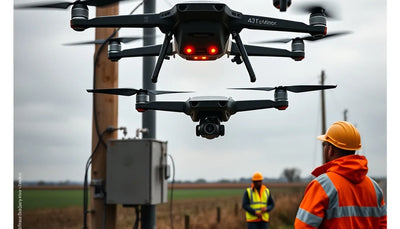
As drone delivery services push into new markets across the United States, a regulatory fault line is emerging between federal airspace authority and local land use control. According to reporting from DRONELIFE, communities are increasingly turning to zoning rules to manage the ground infrastructure that supports delivery operations, even though they cannot directly regulate the aircraft flying overhead.
The development matters because drone delivery is no longer a pilot program confined to a handful of test markets. As operations expand, the physical footprint of delivery networks, including hubs, charging stations, and staging areas, is becoming a visible part of local landscapes. That visibility is prompting municipal planners and elected officials to ask where such facilities should be allowed, how they should be designed, and what limits should apply to their hours of operation.
The zoning response to delivery expansion
DRONELIFE reports that local municipalities are scrambling to enact regulations aimed at limiting potential negative impacts from drone delivery operations. The central insight is that while the Federal Aviation Administration and other federal bodies retain authority over airspace, local governments still hold meaningful power over land use. That power gives cities a practical lever to influence how delivery networks function on the ground.
Zoning rules can govern where a delivery hub may be built, how close it can sit to residential areas, whether sound mitigation measures are required, and what operational hours are permissible. A city cannot tell a drone operator how high to fly or which air corridors to use, but it can decide that a distribution center is not allowed in a particular commercial district or that a proposed hub requires a special use permit. For operators, that distinction is critical: airspace access may be federally protected, but ground access is not.
The practical implication is that fleet planners and logistics operators should not assume that federal preemption removes all local friction. A delivery route may be legally flyable while the facility that supports it remains tied up in municipal review. Reboot Hub analysis suggests that companies expanding into new metro areas would be wise to map local zoning codes as carefully as they map airspace restrictions.
What this means for drone owners and the market
For commercial operators and fleet buyers, the zoning trend introduces a new layer of site selection risk. A drone delivery network is only as efficient as its ground infrastructure allows. If a municipality restricts hub locations to industrial zones far from dense residential delivery demand, the economics of a route can shift quickly. Longer transit distances from hub to delivery zone increase energy use, reduce sorties per hour, and raise the total cost per delivery.
For smaller operators and independent pilots watching the delivery segment, the zoning conversation is a signal about how commercial drone infrastructure will be treated in the coming years. Municipalities that adopt restrictive land use rules may also influence public perception of drone activity more broadly. A community that debates delivery hub placement is also a community where residents are thinking about drone noise, privacy, and traffic patterns. Those local conversations can shape the operating environment for all commercial drone work, not just delivery.
Pre-owned DJI drone buyers and repair customers are not isolated from this shift. As delivery and enterprise drone activity grows, the secondary market for inspected pre-owned aircraft and genuine OEM spare parts often tracks the expansion of commercial fleets. More delivery hubs and more active enterprise programs tend to mean more aircraft in circulation, more wear on components, and more demand for professional DJI repair and OEM-pulled parts. Readers tracking the commercial market can follow these zoning developments through resources like the Drone Wiki to understand how regulatory changes affect equipment lifecycles and resale demand. For owners evaluating service and lifecycle risk, Drone Wiki explains the relevant repair, parts, resale, or operational path.
The operator-facing takeaway is straightforward: before committing to a new delivery route or enterprise expansion, check the local zoning picture for the ground infrastructure you will need. Federal airspace approval does not guarantee that a hub can be built where you want it, and municipal review timelines can delay operational launch dates. Treat local land use as a first-order planning input rather than an afterthought.
Federal authority and the limits of local control
The DRONELIFE report underscores that federal authorities retain control of the airspace, which means local governments cannot simply ban drone flights over their jurisdictions. That federal preemption is a foundational principle of U.S. aviation law and has been reaffirmed in multiple contexts. What cities can do, however, is regulate the places where drones take off, land, charge, and are maintained.
This division of authority creates a strategic landscape that favors operators who understand both layers of regulation. A company that secures federal approvals but ignores local zoning may find its hub construction delayed or blocked. Conversely, a company that engages early with municipal planners may secure favorable site terms before competitors enter the market. The zoning process is often public, which means early movers can gain visibility into how a city is thinking about drone infrastructure before formal rules are adopted.
For fleet managers, the practical implication is to build local government engagement into expansion timelines. Municipal zoning processes can take months, and public hearings can surface community concerns that require design changes or operational adjustments. Building buffer time into launch plans for zoning review is now a prudent practice for any operator planning a physical delivery footprint.
The commercial planning outlook
Reboot Hub analysis: The zoning trend is likely to accelerate as drone delivery expands into more communities. Cities that have not yet addressed drone infrastructure will eventually need to decide where delivery hubs belong, and those decisions will vary widely by region. Some municipalities may welcome the economic activity and designate drone-friendly zones. Others may take a more cautious approach, restricting hubs to industrial areas or requiring extensive public review.
That variability means drone delivery operators will face a patchwork of local requirements rather than a single national standard. For procurement teams and fleet planners, the implication is that site selection must become a core competency. The cheapest available industrial parcel may not be the best choice if the local zoning process is slow or unpredictable. Similarly, a municipality with clear, drone-friendly land use rules may justify a higher real estate cost because it reduces launch risk.
Reboot Hub analysis: Reboot Hub analysis suggests that the pre-owned DJI market will continue to reflect the broader commercial drone expansion. As more delivery programs launch and more enterprise fleets operate, demand for inspected pre-owned aircraft, genuine OEM spare parts, and professional repair services is likely to follow. Operators who understand both the federal airspace framework and the emerging local zoning landscape will be better positioned to plan routes, secure facilities, and manage equipment lifecycles efficiently.
FAQ
Frequently asked questions
Can local governments ban drone delivery flights?
No. According to DRONELIFE, federal authorities retain control of the airspace, so local governments cannot directly ban drone flights. They can, however, regulate the ground infrastructure that supports delivery operations through zoning and land use rules.
What kinds of local rules are cities considering for drone delivery?
Cities are exploring land use restrictions that affect where delivery hubs can be located, how they are designed, and what operational limits apply. These zoning rules target ground facilities rather than the aircraft themselves.
How should drone delivery operators respond to local zoning trends?
Operators should treat local zoning as a first-order planning input. Before expanding into a new area, check municipal land use codes for hub locations, build time into launch timelines for zoning review, and engage early with local planners to understand community concerns.
Which sources support this update?
The visible evidence links identify DRONELIFE; each source is used only for the claim it directly supports.
What remains subject to change?
Retail pricing, availability, product bundles and regulatory timelines can change. Readers should verify the latest terms with the named retailer, manufacturer or regulator before acting.
How should buyers or operators use this analysis?
Use the verified facts as a starting point, then compare mission fit, lifecycle support, maintenance needs and current procurement terms before making a purchase or fleet decision.
تمت استشارة المصادر
- DRONELIFE - primary source
ولم تكن الوثائق الرسمية الإضافية متاحة في وقت النشر.
تضيف افتتاحية Reboot Hub المشتري والإصلاح وإعادة البيع والتحليل التشغيلي لأصحاب الطائرات بدون طيار. إذا اكتشفت خطأ، فاتصل بنا لمراجعة التصحيح من خلال سياستنا التحريرية.