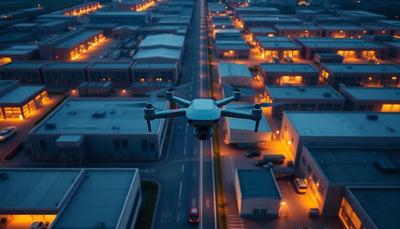
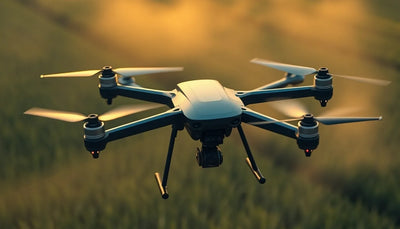
AVAV Rises as AeroVironment Pushes Low-Cost Laser Counter-Drone Systems
AeroVironment shares moved higher after investors focused on the LOCUST laser system, strong quarterly results, and international demand for low-cost counter-drone technology. Commercial operators should watch how directed-energy defense spending shapes the broader unmanned systems market.

Quick answer
AeroVironment stock rose overnight as investors focused on the LOCUST high-energy laser system, strong Q1 results, and growing international demand for low-cost counter-drone technology.
- Investor attention centered on the LOCUST laser system and its under-$10-per-shot operating cost claim.
- Strong Q1 results supported the overnight share price move.
- International demand for low-cost counter-drone systems was cited as a growth driver.
- The development signals continued defense investment in directed-energy counter-UAS technology.
Evidence: Source material · AeroVironment unmanned systems solutions · Defense.gov official source
Purchase timing
Use market shifts to buy, sell, repair, or wait with more context.
Compare trade-in timing, pre-owned DJI pricing, and repair economics before committing new capital.

AeroVironment shares moved higher overnight as market attention turned to the company's LOCUST high-energy laser weapon system and its stated goal of delivering counter-drone capability at under $10 per shot. The move followed what the primary reporting source, a Yahoo finance article distributed through Stocktwits, described as strong Q1 results and growing international demand for low-cost counter-unmanned aircraft systems.
The development matters beyond the defense sector. AeroVironment is a significant player in the broader unmanned systems industry, and its positioning around directed-energy counter-drone technology reflects a wider shift in how governments and security buyers are thinking about drone threats. For commercial operators, fleet managers, and repair customers, defense procurement signals often shape the supply chain, component availability, and long-term pricing environment for the entire drone ecosystem.
The LOCUST laser bet and why investors noticed
According to the source report, investor focus centered on AeroVironment's LOCUST laser system, a high-energy directed-energy platform designed to neutralize hostile drones at a claimed operating cost of under $10 per shot. That cost figure is significant because traditional kinetic counter-drone methods, including interceptor missiles and specialized munitions, typically carry far higher per-engagement costs. A system that can engage multiple targets economically changes the math for military and security buyers facing swarms of low-cost drones.
The source attributes the overnight stock movement to this combination of the LOCUST narrative, strong quarterly results, and international demand signals. Reboot Hub analysis would note that directed-energy systems remain a developing category, and the source material does not provide independent verification of the under-$10-per-shot figure beyond the reporting itself. Buyers and operators should treat the cost claim as a company-stated objective rather than an independently confirmed operational metric.
What this means for drone owners and the market
For commercial drone owners and fleet operators, the rise of low-cost counter-drone systems has a practical implication: the security environment around critical infrastructure, public venues, and sensitive airspace is becoming more contested. As directed-energy and other counter-UAS technologies mature, operators may face more frequent airspace restrictions, temporary flight limitations, and stricter enforcement around protected sites. Planning missions with current airspace awareness tools and maintaining compliant operational documentation becomes more important, not less.
The second-order effect touches the pre-owned DJI market and repair economics. When defense and security buyers accelerate spending on counter-drone technology, it can influence public perception of drone risk and, in some regions, tighten import or operational rules for consumer and enterprise platforms. Operators evaluating inspected pre-owned DJI drones or genuine OEM spare parts should consider that regulatory and security dynamics can shift quickly, affecting resale values and the cost of keeping existing fleets airworthy. For those tracking these market shifts, the Drone Wiki offers reference material on ownership, maintenance, and platform decisions. For owners evaluating service and lifecycle risk, Drone Wiki explains the relevant repair, parts, resale, or operational path.
The source report does not suggest any direct impact on DJI product availability or repair pricing. Reboot Hub analysis would caution against reading a single overnight defense stock move as a near-term signal for commercial drone buyers. However, sustained investment in counter-UAS technology historically correlates with broader government attention to drone security, which can eventually shape procurement rules, airspace policy, and enterprise adoption patterns.
International demand and the counter-drone spending cycle
The source highlights growing international demand for low-cost counter-drone technology as a key factor in the AeroVironment story. That demand is not limited to the United States. Governments across Europe, the Middle East, and Asia have increased spending on systems designed to detect, track, and neutralize unauthorized drones following high-profile incidents at airports, military installations, and public events.
For commercial operators, this spending cycle has a dual edge. On one side, it validates the seriousness with which regulators and security agencies view drone activity, reinforcing the need for professional compliance and documented operations. On the other side, it creates a growing market for counter-drone services and security integration, an adjacent business opportunity for experienced drone service providers who understand both the operational and threat landscape.
The source material does not provide specific contract values, customer names, or delivery timelines for the LOCUST system. Reboot Hub analysis therefore treats the reported international demand as a directional signal rather than a confirmed order book. Fleet managers making multi-year procurement decisions should monitor primary filings and official announcements rather than relying solely on secondary market commentary.
Reading the signal without overreading the stock move
A single overnight stock move is a narrow data point. The source report frames the rise as investor reaction to the LOCUST narrative, strong Q1 results, and international demand, but it does not provide detailed financial figures, unit economics, or verified performance data for the laser system. Reboot Hub analysis would emphasize that stock movements in defense and drone-adjacent companies often reflect sentiment shifts as much as fundamental operational change.
What should a buyer, pilot, repair customer, or fleet manager do differently after reading this? The practical takeaway is to treat counter-drone investment as a leading indicator for the regulatory and security environment around commercial drone operations. Operators who fly near critical infrastructure, public venues, or government facilities should expect continued tightening of airspace controls and should maintain current documentation, geofencing awareness, and compliant operational practices. For those managing pre-owned DJI fleets, the message is simpler: keep maintenance records current, source genuine OEM spare parts, and stay informed on policy shifts that could affect resale demand or operational flexibility.
The AeroVironment story is ultimately a defense-sector development with indirect commercial implications. It reinforces that the drone market is maturing into a two-sided ecosystem: expanding commercial and enterprise adoption on one side, and accelerating investment in detection and mitigation on the other. Operators who understand both sides will be better positioned to plan fleets, manage costs, and navigate the evolving airspace landscape.
FAQ
Frequently asked questions
What is the LOCUST laser system?
According to the source report, LOCUST is AeroVironment's high-energy laser weapon system designed for counter-drone operations, with a stated goal of engaging targets at under $10 per shot. The source does not provide independent technical verification of the system's performance.
Why did AVAV stock rise overnight?
The source attributes the overnight rise to investor focus on the LOCUST laser system, strong Q1 results, and growing international demand for low-cost counter-drone technology. The report does not provide detailed financial figures or independent confirmation of the company's claims.
Does this affect commercial drone buyers or repair customers?
There is no direct impact reported on commercial drone pricing, DJI product availability, or repair costs. However, sustained counter-drone investment can signal tighter airspace controls and shifting regulatory attention, which commercial operators and pre-owned DJI fleet owners should monitor as part of long-term planning.
Which sources support this update?
The visible evidence links identify Source material and AeroVironment unmanned systems solutions and Defense.gov official source; each source is used only for the claim it directly supports.
What remains subject to change?
Retail pricing, availability, product bundles and regulatory timelines can change. Readers should verify the latest terms with the named retailer, manufacturer or regulator before acting.
How should buyers or operators use this analysis?
Use the verified facts as a starting point, then compare mission fit, lifecycle support, maintenance needs and current procurement terms before making a purchase or fleet decision.
Surse consultate
- Stocktwits retail trader market report - primary source
- AeroVironment investor relations - company investor information
Redacția Reboot Hub oferă analize privind achiziția, reparația, revânzarea și operarea pentru proprietarii de drone. Dacă observați o eroare, contactați-ne pentru revizuirea corecției conform politicii noastre editoriale.
Acest articol reprezintă un comentariu de piață destinat operatorilor și cumpărătorilor de drone, nu un sfat de investiții. Reboot Hub nu oferă consultanță financiară și nu recomandă tranzacții cu instrumente financiare.