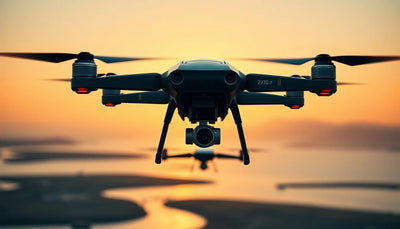
AeroVironment Laser Weapon Push Puts Defense Drone Stocks in Focus
AeroVironment's reported move into laser weapon technology is drawing investor attention to defense drone manufacturers. For commercial operators and fleet buyers, the shift signals where military R&D budgets may flow and how adjacent drone markets could respond.

Quick answer
AeroVironment is being evaluated by investors as a defense stock tied to emerging laser weapon technology, according to a Motley Fool analysis published on September 19, 2026.
- The Motley Fool examined whether one strong product line makes AeroVironment stock a sound investment
- Laser weapons are now described as real, deployable systems rather than experimental concepts
- Investor interest in directed-energy defense technology is rising alongside drone and counter-drone demand
- The analysis frames AeroVironment as a defense technology company with exposure to next-generation weapon systems
Evidence: Source material · AeroVironment unmanned systems solutions · DJI ROMO official robot vacuum page · DJI Support ROMO beginner guide
Purchase timing
Use market shifts to buy, sell, repair, or wait with more context.
Compare trade-in timing, pre-owned DJI pricing, and repair economics before committing new capital.

AeroVironment is drawing fresh investor scrutiny as laser weapons move from experimental programs into deployable defense systems. A September 19, 2026 analysis from The Motley Fool asks a direct question for shareholders and industry watchers alike: will one great product make AeroVironment stock a great investment? The report, carried by Yahoo Finance, frames the company as a defense technology player with exposure to directed-energy weapon development at a moment when military buyers are prioritizing counter-drone and precision-strike capabilities.
For commercial drone operators, repair customers, and fleet managers, the story matters less as a stock tip and more as a signal. When a major defense manufacturer attracts capital attention for laser weapon programs, it indicates where procurement budgets, engineering talent, and component supply chains may concentrate over the next several years. Those shifts eventually ripple into the broader unmanned systems market, including the pre-owned DJI ecosystem that many commercial operators rely on.
What the source actually reports
The Motley Fool analysis, as summarized in the source data, centers on AeroVironment and its position in the emerging laser weapons sector. The report does not provide specific contract values, delivery timelines, or technical specifications for any laser system. Instead, it raises an investment question: whether a single standout product line can justify a broader valuation thesis for the company. That framing is cautious rather than promotional, and Reboot Hub is treating it as market commentary rather than verified procurement intelligence.
AeroVironment is already known in defense circles for small unmanned aircraft systems and loitering munitions. The laser weapon angle adds a directed-energy dimension to that portfolio narrative. For readers evaluating the commercial drone market, the key takeaway is that defense contractors are increasingly bundling counter-drone and precision-strike technologies into their growth stories. That bundling can influence component pricing, sensor availability, and even the resale value of certain drone categories as military and commercial supply chains overlap.
Why defense capital flows matter to commercial operators
When investors reward defense companies for directed-energy programs, those companies gain access to cheaper capital for research, manufacturing scale, and supplier relationships. That dynamic can accelerate the development of adjacent technologies such as optical sensors, thermal imaging, power management systems, and lightweight airframe materials. Commercial drone buyers often benefit indirectly when these components mature and become available through industrial supply chains.
There is also a competitive effect. If AeroVironment and similar firms deepen their laser and counter-drone portfolios, enterprise customers may reassess their fleet strategies. A logistics company operating DJI Matrice or Mavic series aircraft, for example, may face new questions about airspace security, detection systems, and the long-term cost of operating in environments where counter-drone technology is proliferating. None of this is immediate, but procurement signals from defense markets tend to move faster than commercial buyers expect.
What this means for drone owners and the market
The pre-owned DJI market is sensitive to shifts in defense and regulatory attention. If laser weapon programs drive broader investment in counter-UAS infrastructure, commercial operators may see increased demand for compliant, well-documented aircraft with clear maintenance histories. Buyers who currently hold older DJI models may find that resale value holds up better when enterprise fleets need inspected pre-owned units quickly rather than waiting on new inventory. Reboot Hub analysis suggests that documentation and repair provenance become more valuable in periods of procurement uncertainty.
For individual pilots and small fleet managers, the practical step is to keep maintenance records current and understand the resale position of their aircraft. A drone with genuine OEM spare parts and a verifiable service history is easier to sell or redeploy when market conditions shift. Operators can review the Drone Wiki for reference material on model-specific maintenance and ownership considerations. The defense investment story does not change DJI hardware overnight, but it does reinforce the value of disciplined fleet management. For owners evaluating service and lifecycle risk, Drone Wiki explains the relevant repair, parts, resale, or operational path.
Repair customers should also note that component demand can tighten when defense programs absorb shared suppliers. Optical assemblies, thermal cores, and power modules used in commercial drones sometimes overlap with military supply chains. A sustained defense investment cycle in directed-energy and counter-drone systems could extend lead times for certain repairs. That is a source-limited observation rather than a confirmed supply chain event, but it is consistent with how defense procurement has historically affected adjacent electronics markets.
Reading the investment signal without overreacting
The Motley Fool piece does not conclude that AeroVironment is a guaranteed winner. It poses a valuation question and leaves room for skepticism. Reboot Hub is not in a position to assess the company's financials, backlog, or execution risk. What the report does establish is that laser weapons are now treated as real, investable technology rather than a distant concept. That perception shift alone can move capital and influence corporate strategy across the unmanned systems sector.
Commercial operators should treat this as a market sentiment indicator, not a procurement directive. The most defensible response is operational: maintain aircraft properly, document repairs, and stay informed about how defense technology trends may affect component availability and resale demand. Fleet buyers evaluating new or pre-owned DJI equipment should factor in the possibility that counter-drone and directed-energy investments will accelerate, potentially changing airspace rules and enterprise security requirements in the years ahead.
This article is market commentary for drone operators and buyers, not investment advice. Reboot Hub does not recommend securities transactions.
FAQ
Frequently asked questions
Is AeroVironment now a laser weapons company?
AeroVironment is being discussed by investors as a defense stock with exposure to laser weapon technology, according to The Motley Fool analysis. The company is not defined solely by directed-energy systems, but the laser angle is now part of its investment narrative.
Does this affect DJI drone resale values?
There is no direct evidence in the source that DJI resale values changed. However, increased defense investment in counter-drone technology can influence enterprise demand for compliant, well-documented pre-owned aircraft over time.
What should a commercial drone operator do after reading this?
Keep maintenance and repair records current, understand the resale position of your aircraft, and monitor how defense procurement trends may affect component availability and airspace security requirements in commercial operating environments.
Which sources support this update?
The visible evidence links identify Source material and AeroVironment unmanned systems solutions and DJI ROMO official robot vacuum page and DJI Support ROMO beginner guide; each source is used only for the claim it directly supports.
What remains subject to change?
Retail pricing, availability, product bundles and regulatory timelines can change. Readers should verify the latest terms with the named retailer, manufacturer or regulator before acting.
How should buyers or operators use this analysis?
Use the verified facts as a starting point, then compare mission fit, lifecycle support, maintenance needs and current procurement terms before making a purchase or fleet decision.
참고 문헌
- Source material - primary source
- AeroVironment unmanned systems solutions - official company source
- DJI ROMO official robot vacuum page - official product page
- DJI Support ROMO beginner guide - official support guide
- Defense.gov official source - official government source
Reboot Hub 편집팀은 드론 소유자를 위해 구매, 수리, 재판매 및 운영 분석을 제공합니다. 오류를 발견하신 경우, 편집 정책에 따라 수정 검토를 요청해 주시기 바랍니다.
본 기사는 드론 운영자와 구매자를 위한 시장 논평이며, 투자 조언이 아닙니다. Reboot Hub는 금융 자문을 제공하거나 증권 거래를 권장하지 않습니다.