Skyfly Raises $10 Million to Bring Personal Axe eVTOL to Production
UK-based Skyfly Technologies has raised $10 million to move its two-seat Axe electric aircraft toward commercial production, targeting private owners under new FAA light-sport rules. The funding also supports unmanned defense applications, signaling broader market shifts for electric aviation.

Quick answer
UK-based Skyfly Technologies raised $10 million to bring its two-seat Axe electric aircraft into commercial production, targeting private owners rather than commercial air taxi operators.
- The Axe combines vertical takeoff capability with fixed-wing flight
- The company is targeting private ownership under new FAA light-sport rules
- Skyfly is also expanding into unmanned defense applications
- The funding comes from HICO Investment Group and other investors
Evidence: DRONELIFE · FAA UAS official guidance · Defense.gov official source
Purchase timing
Use market shifts to buy, sell, repair, or wait with more context.
Compare trade-in timing, pre-owned DJI pricing, and repair economics before committing new capital.

UK-based Skyfly Technologies has raised $10 million to bring its two-seat Axe electric aircraft into commercial production, according to reporting from DRONELIFE. The aircraft combines vertical takeoff capability with fixed-wing flight and targets private owners rather than commercial air taxi operators, a positioning choice that sets it apart from many better-funded eVTOL programs focused on urban air mobility services.
The funding round, led by HICO Investment Group, arrives as the company also works to expand into unmanned defense applications. The dual-track approach — personal electric aviation on one side and defense-oriented unmanned systems on the other — reflects a pragmatic strategy for a sector where capital efficiency and regulatory timing often determine which programs survive.
The Axe and the private ownership bet
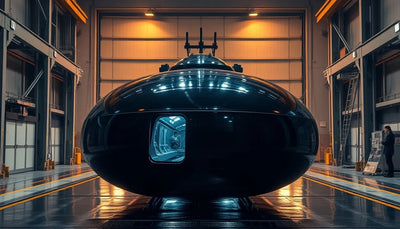
Skyfly's Axe is a two-seat electric aircraft designed for vertical takeoff and landing with fixed-wing flight capability. The company is explicitly targeting private owners, positioning the aircraft as a personal vehicle rather than a commercial air taxi platform. That distinction matters because private ownership under new FAA light-sport rules creates a different certification and operational path than commercial passenger service.
DRONELIFE reports that the aircraft is being developed with the FAA's light-sport aircraft framework in mind. Light-sport rules generally involve less burdensome certification requirements than full type certification, which could accelerate the path to market for individual buyers. The strategic bet is that a meaningful number of pilots and aviation enthusiasts will want an electric aircraft they can own and operate themselves, rather than relying on a commercial service.
For commercial drone operators and aviation-adjacent businesses, the Axe program signals where electric aviation regulation may be heading. If light-sport rules can accommodate personal eVTOL aircraft, that regulatory precedent could eventually influence how larger unmanned and optionally piloted systems are treated. The FAA's willingness to create pathways for novel electric aircraft under existing frameworks is worth watching closely.
Unmanned defense expansion and dual-use strategy
Beyond the personal aviation market, Skyfly is expanding into unmanned defense applications. The company's vertical takeoff and fixed-wing flight architecture has obvious relevance for military and security missions where runway independence and electric propulsion offer operational advantages. DRONELIFE notes the defense expansion as part of the company's broader strategy following the funding round.
Dual-use strategies are increasingly common among electric aircraft developers. The same core technology — electric propulsion, vertical takeoff, autonomous or remotely piloted capability — can serve civilian and defense customers. For investors, the defense angle provides a potential revenue stream that is less dependent on consumer adoption curves and personal aviation market timing.
This development also has implications for how defense procurement may evolve. Small, electric, runway-independent aircraft could fill roles currently served by helicopters or larger unmanned systems, particularly for logistics, surveillance, and short-range transport missions. While Skyfly's specific defense contracts or programs are not detailed in the source reporting, the strategic direction is clear.
What this means for drone owners and the market
The Skyfly funding round is a reminder that electric aviation is broadening beyond the commercial air taxi narrative that has dominated headlines. Private ownership, light-sport certification, and dual-use defense applications represent distinct market segments with different buyers, regulatory paths, and capital requirements. For commercial drone operators and fleet managers, this diversification signals that electric aircraft technology is maturing across multiple fronts simultaneously.
The pre-owned DJI market and broader drone resale ecosystem are not directly affected by a two-seat personal eVTOL program. However, the regulatory developments that enable aircraft like the Axe — particularly FAA light-sport rules accommodating electric vertical takeoff designs — could eventually shape how larger commercial drones and unmanned systems are certified and operated. Operators who track regulatory evolution at the FAA will be better positioned to anticipate changes that affect fleet planning and procurement decisions. For those evaluating drone ownership, maintenance, or resale considerations, the Drone Wiki provides reference material on current drone platforms and ownership practices. For owners evaluating service and lifecycle risk, Drone Wiki explains the relevant repair, parts, resale, or operational path.
Reboot Hub analysis: What should a buyer, pilot, or fleet manager do differently after reading this? The practical takeaway is to watch FAA light-sport rulemaking and electric aircraft certification developments as leading indicators. Regulatory frameworks that enable personal eVTOL ownership today may create templates for commercial unmanned aircraft operations tomorrow. Operators who understand these regulatory pathways early will make more informed decisions about when to invest in new platforms, when to hold existing fleets, and how to plan for technology transitions.
Funding, market timing, and what to watch next
A $10 million raise is modest by eVTOL industry standards, where some programs have attracted hundreds of millions in venture capital. But the size of the round reflects Skyfly's focused approach: a two-seat aircraft for private owners, with defense applications as a secondary market. The company is not attempting to build a large-scale air taxi network, which requires substantially more capital for infrastructure, operations, and certification.
HICO Investment Group's participation signals investor interest in practical, near-term electric aviation applications rather than speculative urban air mobility visions. The private ownership market has lower barriers to entry than commercial passenger service, and light-sport certification offers a faster regulatory path. If Skyfly can deliver production aircraft to private buyers, it would represent one of the first commercially available personal eVTOL products in the market.
For the broader drone and electric aviation industry, the key variables to monitor are production timelines, pricing, and actual delivery volumes. Many electric aircraft programs have announced production plans without reaching meaningful scale. The difference between a funding announcement and a delivered, flying product remains significant, and DRONELIFE's reporting does not specify production volumes or delivery targets for the Axe. Operators and buyers should treat the announcement as an important signal of market direction while awaiting concrete production milestones.
FAQ
Frequently asked questions
What is the Skyfly Axe?
The Skyfly Axe is a two-seat electric aircraft that combines vertical takeoff and landing capability with fixed-wing flight. It is being developed for private ownership rather than commercial air taxi operations, according to DRONELIFE reporting.
How much funding did Skyfly raise?
Skyfly Technologies raised $10 million to bring the Axe electric aircraft into commercial production. The funding round was led by HICO Investment Group, with additional investors participating.
Is the Skyfly Axe relevant to commercial drone operators?
The Axe itself is a two-seat personal aircraft, not a commercial drone. However, the regulatory pathways being developed for personal eVTOL aircraft under FAA light-sport rules could eventually influence how larger commercial unmanned systems are certified and operated.
Which sources support this update?
The visible evidence links identify DRONELIFE and FAA UAS official guidance and Defense.gov official source; each source is used only for the claim it directly supports.
What remains subject to change?
Retail pricing, availability, product bundles and regulatory timelines can change. Readers should verify the latest terms with the named retailer, manufacturer or regulator before acting.
How should buyers or operators use this analysis?
Use the verified facts as a starting point, then compare mission fit, lifecycle support, maintenance needs and current procurement terms before making a purchase or fleet decision.
Fonti consultate
- DRONELIFE - primary source
- FAA UAS official guidance - official regulator source
- Defense.gov official source - official government source
Reboot Hub Editorial fornisce analisi sugli acquisti, le riparazioni, la rivendita e l'operatività per i proprietari di droni. In caso di errori, contattateci per una revisione della correzione in conformità con la nostra politica editoriale.
Questo articolo rappresenta un commento di mercato per operatori e acquirenti di droni e non costituisce una consulenza finanziaria. Reboot Hub non fornisce consulenza finanziaria né raccomanda operazioni su titoli.