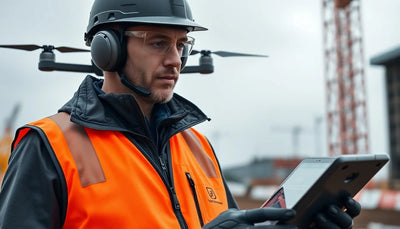
DJI Procurement Curbs Push Police Drone Costs Higher
Reported price gaps between DJI and US-made police drones are reshaping municipal fleet budgets. Procurement teams now face harder trade-offs between acquisition cost, support continuity, and long-term service planning for existing DJI equipment.

Quick answer
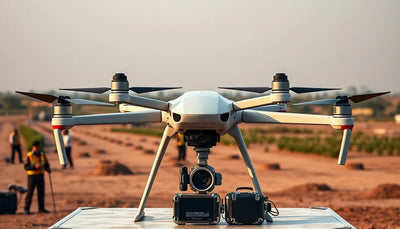
A DroneXL report indicates DJI procurement curbs are widening police drone cost gaps, citing a $10,500 DJI Matrice against a $21,000 US rival.
- Reported price gap: $10,500 DJI Matrice vs. $21,000 US rival
- Source: DroneXL via Google News DJI, US region
- Focus: police budget pressure from DJI procurement restrictions
- Implication: agencies face higher replacement and expansion costs
Verified facts
Industrial drone procurement
Source a brand-new industrial drone for this mission.
Discuss mission fit, aircraft model, quantities, configuration, pickup, and lifecycle support with Reboot Hub.

What the available evidence confirms
| Metric | DJI Matrice | US Rival |
|---|---|---|
| Reported unit price | $10,500 | $21,000 |
| Price difference | Baseline | Approximately 2x higher |
| Budget impact | Lower initial outlay | Higher procurement burden |
A new DroneXL report highlights how DJI procurement curbs are translating into direct budget pressure for US police drone programs. The report cites a $10,500 DJI Matrice unit against a $21,000 US-made rival, a gap that forces municipal buyers to reconsider how they fund fleet expansion, replacement cycles, and ongoing maintenance.
The figures matter because police drone fleets rarely operate as one-off purchases. Agencies plan around multi-year budgets, spare units, training aircraft, and repair contingencies. When the price of a compliant alternative doubles, the same budget envelope covers fewer aircraft, fewer spare parts, and less operational redundancy.
The reported cost gap and what it signals
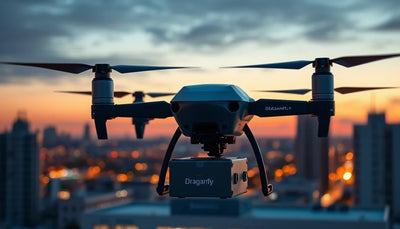
According to the DroneXL report, the DJI Matrice is listed at $10,500 while a US rival comes in at $21,000. That is a 100 percent premium for the domestic alternative. For a small municipal police department trying to field three or four aircraft, the difference can exceed $40,000 before accessories, batteries, or training are counted.
This is not merely a sticker-price issue. Police agencies often standardize on one airframe to simplify pilot training, maintenance procedures, and evidence workflows. A forced shift to a more expensive platform disrupts that standardization and can create mixed-fleet complexity if older DJI units remain in service.
Reboot Hub analysis suggests the reported gap is most acute for agencies that already operate DJI equipment and now face uncertain paths for replenishment. Those departments may need to stretch existing airframes longer, source genuine OEM spare parts more aggressively, or plan phased transitions to alternative platforms.
What this means for enterprise operators
For police and public-safety fleet managers, the reported price gap changes the math on procurement timing. An agency that anticipated replacing two aging DJI units this fiscal year may now be able to afford only one US-built replacement. That forces harder decisions about which missions get priority and which aircraft remain in service longer. For teams translating this development into fleet planning, Enterprise drone procurement support helps scope mission fit, unit quantity, maintenance coverage, and lifecycle support.
Commercial operators watching the public-sector market should note the spillover effects. When police budgets absorb higher drone costs, departments may delay secondary purchases such as thermal payloads, training hours, or backup aircraft. That can slow the overall maturation of public-safety drone programs in smaller jurisdictions.
For buyers and fleet planners, the practical takeaway is to model total cost of ownership rather than unit price alone. A $21,000 aircraft with accessible parts and local support may cost less over five years than a cheaper platform with uncertain repair channels. But the reverse can also be true if the higher-priced platform carries expensive proprietary consumables. Fleet managers should pressure vendors for transparent parts pricing, battery life expectations, and repair turnaround commitments before committing. For organizations managing mixed fleets or extending the life of existing DJI equipment, Enterprise drone procurement support can help align acquisition planning with realistic service and parts availability.
Pre-owned DJI market implications
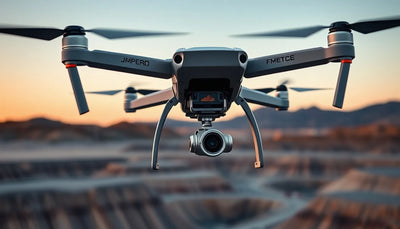
The reported procurement pressure has a direct read-through to the pre-owned DJI market. If agencies cannot easily buy new DJI units, existing DJI airframes become more valuable as operational assets. Departments may hold onto current Matrice or Mavic units longer, increasing demand for genuine OEM-pulled parts, battery replacements, and professional repair services.
This dynamic can support stronger residual values for well-maintained pre-owned DJI drones. A police department that retires a lightly used Matrice may find willing buyers among agencies still operating the same platform. The key is documentation: flight logs, maintenance records, and battery cycle counts become decisive factors in secondary-market pricing.
Operators should also consider that pre-owned DJI aircraft can serve as cost-effective training platforms even if primary mission aircraft shift to US-built alternatives. Keeping a small pool of inspected pre-owned DJI units for pilot proficiency and non-sensitive missions may reduce wear on more expensive compliant aircraft.
Budget planning and fleet strategy
The DroneXL report does not specify which US rival platform carries the $21,000 price, nor does it detail the exact procurement restriction in force. Reboot Hub analysis treats the figures as directional rather than definitive. What is clear is that police drone budgets are being squeezed by policy-driven supply constraints, and that squeeze is unlikely to resolve quickly.
Agencies should revisit their fleet plans now. That means auditing current aircraft condition, identifying which units can safely operate for another one to two years, and mapping parts availability for critical components such as gimbals, arms, and batteries. A proactive repair and parts strategy can buy time while procurement teams evaluate longer-term alternatives.
For smaller departments, the reported price gap may accelerate interest in shared regional drone programs or contracted drone services. If a town cannot afford a $21,000 aircraft plus training and spares, it may turn to county-level or private operators for mission support. That shift has implications for commercial drone service providers looking to serve public-sector clients.
The core lesson for any drone buyer is that acquisition cost is only one variable in a longer operational equation. Policy changes can alter supply, pricing, and support overnight. Fleet managers who maintain flexible sourcing strategies, documented maintenance histories, and realistic contingency budgets will be better positioned than those who plan around a single vendor or a single price point.
FAQ
Frequently asked questions
What did the DroneXL report find?
The report cited a $10,500 DJI Matrice unit price compared to a $21,000 US rival, indicating that DJI procurement restrictions are creating significant budget pressure for police drone programs.
Why does this matter for police drone budgets?
A 100 percent price premium on compliant alternatives means the same budget covers fewer aircraft, fewer spare parts, and less operational redundancy, forcing agencies to delay replacements or reduce fleet size.
How does this affect the pre-owned DJI market?
Reboot Hub analysis: If new DJI units become harder to procure, existing DJI airframes gain operational value. Demand for genuine OEM-pulled parts, battery replacements, and professional repair services is likely to increase as agencies extend the life of current equipment.
Which sources support this update?
The article distinguishes reported information from analysis and does not present an unverified source as official confirmation.
What remains subject to change?
Retail pricing, availability, product bundles and regulatory timelines can change. Readers should verify the latest terms with the named retailer, manufacturer or regulator before acting.
How should buyers or operators use this analysis?
Use the verified facts as a starting point, then compare mission fit, lifecycle support, maintenance needs and current procurement terms before making a purchase or fleet decision.
Fuentes consultadas
- DroneXL via Google News - primary source
No había documentación oficial adicional disponible al momento de la publicación.
Reboot Hub Editorial ofrece análisis de compra, reparación, reventa y operatividad para propietarios de drones. Si detecta algún error, contáctenos para solicitar una revisión de corrección conforme a nuestra política editorial.