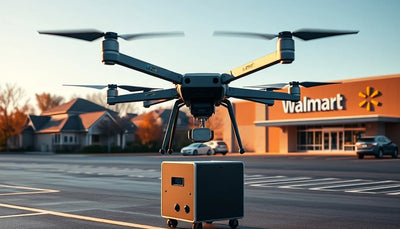
EHang trækker 2026-indtægtsvejledning om reguleringsforsinkelser tilbage
EHang trak den 25. august sin omsætningsguidning på 600 millioner RMB tilbage for hele året, med henvisning til langsommere godkendelser af passagerer i Kina. Bevægelsen signalerer, hvordan regulatorisk forsigtighed efter luftfartshændelser kan omforme kommercielle drone-tidslinjer, flådeplanlægning og brugtmarkedets tillid.

Hurtigt svar
EHang trak sin 2026-omsætningsguidning på 600 millioner RMB tilbage den 25. august og gav ikke en erstatning, med henvisning til usikkerhed omkring tidspunktet for yderligere passagergodkendelser af kommerciel service i visse regioner i Kina efter nylige luftfartshændelser foranledigede en mere forsigtig lovgivningsmæssig tilgang.
- EHang nævnte regulatorisk forsigtighed i Kina efter nylige luftfartshændelser som årsagen til at trække vejledningen tilbage
- Virksomheden rapporterede en skarp sekventiel bedring på trods af tilbagetrækningen af vejledningen
- Ingen vejledning om erstatningsindtægter blev givet den 25. august
- Udviklingen fremhæver, hvordan certificerings- og godkendelsestiming kan ændre kommercielle droneindtægtsforventninger
Beviser:Kildemateriale
Purchase timing
Use market shifts to buy, sell, repair, or wait with more context.
Compare trade-in timing, pre-owned DJI pricing, and repair economics before committing new capital.

Verificerede fakta
Hvad de tilgængelige beviser bekræfter
| Faktor | Hvad kilden rapporterer |
|---|---|
| Vejledningsstatus | Trak 600 millioner RMB tilbage omsætningsvejledning for hele året 2026 den 25. august |
| Udskiftningsvejledning | Ingen angivet i rapporten |
| Anført grund | Usikkerhed omkring tidspunktet for yderligere godkendelser af kommercielle passagertjenester i visse regioner i Kina |
| Lovgivningsmæssig sammenhæng | Nylige luftfartshændelser førte til en mere forsigtig lovgivningsmæssig tilgang |
| Sekventiel præstation | Skarp sekventiel genopretning rapporteret på trods af tilbagetrækningen |
EHang Holdings Limited, den Nasdaq-noterede udvikler af elektrisk lodret start og landing, der handles under tickeren EH, trak sin 2026-omsætningsvejledning på 600 millioner RMB tilbage den 25. august og gav ikke et erstatningstal. Virksomheden tilskrev beslutningen usikkerhed omkring tidspunktet for yderligere godkendelser af kommercielle passagertjenester i visse regioner i Kina, ifølge en rapport offentliggjort af Yahoo Finance. Ledelsen pegede på en mere forsigtig regulatorisk holdning efter nylige luftfartshændelser.
Tilbagetrækningen har betydning ud over EHangs egen investorbase. Kommercielle droneoperatører, flådeplanlæggere og købere på tværs af det bredere ubemandede luftfartsmarked har set fremskridt i passagerklasse eVTOL som en førende indikator for, hvordan regulatorer vil behandle højere risiko autonome og fjernstyrede operationer. Når en fremtrædende børsnoteret virksomhed trækker sine indtægtsudsigter over godkendelsestiming, sender det et praktisk signal: certificeringskalendere kan skifte, og indtægter knyttet til disse kalendere flyttes med dem.
Hvad vejledningstilbagetrækningen faktisk signalerer
Kilderapporten rammer tilbagetrækningen som en direkte reaktion på lovgivningsmæssig usikkerhed snarere end et kollaps i den underliggende efterspørgsel. EHang nævnte tidspunktet for yderligere passagergodkendelser af kommerciel service i visse regioner i Kina som kernevariablen. Den skelnen er kommercielt vigtig. En virksomhed, der trækker vejledningen tilbage, fordi ordrer tørrer ud, er et efterspørgselsproblem. En virksomhed, der trækker vejledningen tilbage, fordi regulatorer bevæger sig langsommere end forventet, er et tidslinjeproblem, og tidslinjeproblemer har en tendens til at påvirke hele sektoren snarere end en enkelt leverandør.
Nylige luftfartshændelser i regionen ser ud til at have udløst et mere forsigtigt revisionsmiljø, ifølge Yahoo Finance-rapporten. For flådeoperatører og indkøbsteams er dette en påmindelse om, at sikkerhedshændelser i tilstødende luftfartskategorier kan forsinke certificeringsveje, selv når den specifikke hændelse ikke involverer den pågældende virksomhed. Regulatorer reagerer ofte på bekymringer om den offentlige sikkerhed ved at bremse godkendelser på tværs af en kategori, ikke kun for de direkte involverede parter. Reboot Hub-analyse tyder på, at kommercielle dronekøbere bør behandle godkendelsestidslinjer som intervaller med meningsfulde ulemper, ikke faste datoer.
Hvorfor indtægtsvejledning betyder noget for den bredere droneøkonomi
Indtægtsvejledning fra et børsnoteret eVTOL-selskab fungerer som et markedssignal ud over dets egne aktionærer. Leverandører, komponentproducenter, vedligeholdelsesudbydere og sekundære markedsdeltagere kalibrerer alle deres egen planlægning i forhold til forventningerne fra større aktører. Når EHang sætter og derefter trækker et RMB600 millioner-mål tilbage, kan downstream-virksomheder, der havde bygget lager-, bemandings- eller servicekapacitet omkring den forventede aktivitet, blive nødt til at revidere deres egne antagelser.
Rapporten bemærkede også en skarp sekventiel opsving i EHangs resultater, hvilket komplicerer billedet. Virksomheden rapporterer ikke kollapsende operationer; det rapporterer, at tempoet for myndighedsgodkendelser er mindre forudsigeligt, end ledelsen havde antaget. For kommercielle operatører er den praktiske løsning at adskille operationelt momentum fra regulatorisk momentum. En virksomhed kan klare sig godt med leveringer, test og pilotprogrammer, mens de stadig står over for en godkendelsesflaskehals, der forsinker indtægtsindregning. Indkøbsteams, der vurderer enhver droneplatform, bør bede leverandører om at skelne mellem teknisk beredskab og regulatorisk beredskab, fordi de to ikke altid bevæger sig sammen.
Hvad det betyder for droneejere og markedet
For ejere af kommercielle droneflåder er EHang-udviklingen en nyttig stresstest for deres egne planlægningsantagelser. Hvis passager-grade eVTOL-godkendelser i Kina kan glide nok til at tvinge en vejlednings-tilbagetrækning, så bør virksomhedsdroneprogrammer i andre jurisdiktioner forvente lignende variabilitet omkring avancerede operationer, dispensationer uden for visuelle synslinjer og adgang til byluftrum. Købere, der vurderer brugt DJI-droner eller bygger blandede flåder, bør inddrage regulatorisk tidslinjerisiko i deres samlede ejeromkostningsberegninger, ikke kun hardwarepriser. En drone, der er teknisk dygtig, men som venter på en godkendelse, er stadig et devaluerende aktiv, og brugtmarkedet priser den usikkerhed i.
brugt DJI-markedet er ikke direkte knyttet til EHangs passager-eVTOL-forretning, men det er følsomt over for den samme regulatoriske stemning. Når luftfartsmyndighederne signalerer forsigtighed, sætter virksomhedskøbere nogle gange nye kapitaludgifter på pause og forlænger i stedet levetiden for eksisterende flyskrog. Denne dynamik kan understøtte efterspørgslen efter inspicerede brugt-enheder og ægte OEM-reservedele, da operatører vælger at opretholde nuværende flåder i stedet for at forpligte sig til nye platforme med usikre godkendelsesveje. Reboot Hub's Drone Wiki sporer, hvordan disse regulerings- og markedsændringer påvirker reparationsbeslutninger og brugt udstyrsværdier for kommercielle operatører. For ejere, der vurderer service og livscyklusrisiko,Drone Wikiforklarer den relevante reparation, dele, videresalg eller driftsvej.
Flådeforvaltere bør også se, om EHangs oversøiske vækstfortælling vinder indpas. Kilderapporten rejser spørgsmålet om, hvorvidt oversøisk ekspansion kan udfylde hullet efter langsommere indenlandske godkendelser. Hvis EHang omdirigerer kommerciel energi mod internationale markeder, kan det accelerere konkurrencepresset i regioner, hvor andre eVTOL- og dronelogistikvirksomheder allerede er aktive. For købere betyder det flere leverandørmuligheder over tid, men også mere variation i, hvilke platforme der rent faktisk opnår vedvarende kommerciel service.
Hvad skal operatørerne gøre anderledes nu
Den umiddelbare handling for en køber, pilot eller flådeforvalter er at indbygge regulatorisk buffer i indkøbstidslinjer. Hvis en leverandør angiver en certificerings- eller godkendelsesdato, skal du behandle det som et estimat med et realistisk interval, ikke en kontraktlig sikkerhed. Bed om skriftlige detaljer om, hvilke godkendelser der allerede er sikret, hvilke der afventer, og hvilke der er betinget af politiske beslutninger uden for leverandørens kontrol. For reparations- og vedligeholdelsesplanlægning argumenterer dette for at holde et lidt dybere lager af kritiske reservedele, fordi godkendelsesforsinkelser kan forlænge levetiden af nuværende flyskrog ud over deres oprindelige udskiftningsplan.
Reboot Hub analyse:For det andet bør operatører overvåge, hvordan EHangs oversøiske push udvikler sig. Hvis virksomheden accelererer internationale kommercielle udrulninger, kan det skabe nye service- og støtteøkosystemer på markeder, hvor dronekøbere allerede opererer. Det kan også påvirke, hvordan tilsynsmyndigheder på disse markeder ser på passager- og fragt-eVTOL-operationer mere bredt. Indtil videre støtter kilden en forsigtig, men ikke pessimistisk læsning: EHang rapporterede et skarpt sekventielt opsving, og vejledningen tilbagetrækning handler om timing, ikke et kollaps i kommerciel aktivitet.
Denne artikel er markedskommentarer til droneoperatører og købere, ikke investeringsrådgivning. Reboot Hub anbefaler ikke værdipapirtransaktioner.
Ofte stillede spørgsmål
Ofte stillede spørgsmål
Hvorfor trak EHang sin 2026-indtægtsvejledning tilbage?
EHang trak sin omsætningsguidning på 600 millioner RMB tilbage for hele 2026 den 25. august på grund af usikkerhed omkring tidspunktet for yderligere passagergodkendelser af kommerciel service i visse regioner i Kina, efter en mere forsigtig reguleringstilgang efter nylige luftfartshændelser.
Betyder tilbagetrækningen af vejledningen, at EHangs forretning skrumper?
Ikke nødvendigvis. Kilderapporten noterer et skarpt sekventielt opsving i EHangs resultater, hvilket tyder på, at tilbagetrækningen afspejler regulatorisk tidslinjeusikkerhed snarere end et kollaps i underliggende efterspørgsel eller operationer.
Hvordan påvirker dette kommercielle dronekøbere og flådeoperatører?
Det forstærker, at godkendelsestidslinjer kan skifte, og at indtægter knyttet til disse tidslinjer ændres med dem. Købere og flådeforvaltere bør indbygge regulatorisk buffer i indkøbsplaner, bede leverandører om at adskille teknisk beredskab fra regulatorisk beredskab og overveje at forlænge levetiden for nuværende flyskrog, når nye platformsgodkendelser står over for forsinkelser.
Hvilke kilder understøtter denne opdatering?
De synlige bevislinks identificerer Kildemateriale; hver kilde bruges kun til den påstand, den direkte understøtter.
Hvad kan ændres?
Detailpriser, tilgængelighed, produktpakker og lovmæssige tidslinjer kan ændre sig. Læsere bør bekræfte de seneste vilkår hos den navngivne forhandler, producent eller regulator, før de handler.
Hvordan skal købere eller operatører bruge denne analyse?
Brug de bekræftede fakta som udgangspunkt, og sammenlign derefter mission fit, livscyklussupport, vedligeholdelsesbehov og aktuelle indkøbsvilkår, før du træffer et køb eller en flådebeslutning.
Konsulterede kilder
- Yahoo Finance market report - primary source
Yderligere officiel dokumentation var ikke tilgængelig på udgivelsestidspunktet.
Reboot Hub Editorial tilføjer analyse af køb, reparation, gensalg og drift for droneejere. Hvis du finder en fejl, bedes du kontakte os for en korrekturgennemgang i henhold til vores redaktionelle politik.
Denne artikel er en markedskommentar til droneoperatører og købere og udgør ikke investeringsrådgivning. Reboot Hub yder ikke finansiel rådgivning eller anbefaler transaktioner med værdipapirer.