Axon Takes 37% Stake in Skydio With $1.2B Investment
Axon is investing an additional $1.2 billion in Skydio and securing exclusive rights to distribute its drones to public safety agencies across the United States and Canada. The deal deepens a growing Drone as First Responder market and could reshape procurement patterns for commercial operators.

Quick answer
Axon announced an additional $1.2 billion investment in Skydio and an exclusive agreement to distribute Skydio drones to public safety agencies in the United States and Canada.
- Axon will hold a 37% stake in Skydio after the investment.
- The agreement expands Axon's role in the Drone as First Responder market.
- The deal covers exclusive distribution to public safety agencies in the US and Canada.
- The announcement was reported by DRONELIFE on November 6, 2026.
Evidence: DRONELIFE
Industrial drone procurement
Source a brand-new industrial drone for this mission.
Discuss mission fit, aircraft model, quantities, configuration, pickup, and lifecycle support with Reboot Hub.

Verified facts
What the available evidence confirms
| Entity | Role | Reported Detail |
|---|---|---|
| Axon | Investor and distributor | Additional $1.2 billion investment; 37% stake; exclusive US and Canada public safety distribution |
| Skydio | Drone manufacturer | Receives investment; grants exclusive public safety distribution rights |
| DRONELIFE | Primary reporting source | Published the announcement on November 6, 2026 |
Axon has announced an additional $1.2 billion investment in Skydio and an exclusive agreement to distribute Skydio drones to public safety agencies in the United States and Canada, according to reporting by DRONELIFE. The agreement gives Axon a 37% stake in Skydio and expands its role in the growing Drone as First Responder market. The deal builds on an existing relationship between the two companies and signals a deeper integration of drone hardware into public safety procurement channels.
For commercial drone operators, fleet managers, and buyers who track the enterprise market, the announcement matters beyond the public safety vertical. When a major technology distributor locks in exclusive rights to a leading American drone manufacturer, it can influence pricing, availability, service networks, and the broader competitive landscape. The deal also arrives at a moment when many operators are weighing fleet diversification, repair economics, and the resale value of existing hardware.
What the Axon-Skydio agreement covers
According to the DRONELIFE report, the agreement gives Axon an additional $1.2 billion investment in Skydio, bringing Axon's ownership stake to 37%. The distribution component is exclusive for public safety agencies in the United States and Canada. That means Axon becomes the designated channel for Skydio drones sold to law enforcement, fire departments, and other public safety buyers in those regions.
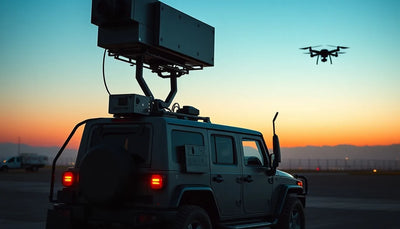
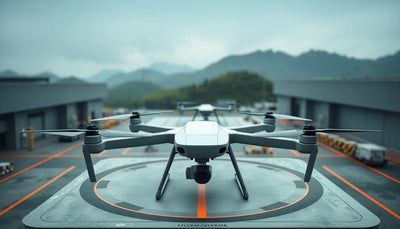
The phrase "Drone as First Responder" is central to the announcement. This model places drones at emergency scenes ahead of or alongside human responders, often launched from fixed rooftop or vehicle-based stations. Axon's existing footprint in public safety technology, including body cameras, evidence management, and digital records systems, gives it a natural entry point for bundling drone hardware with software and services. For Skydio, the partnership provides a distribution network that reaches thousands of agencies already using Axon products.
Reboot Hub analysis: the exclusivity clause is the most commercially significant element for non-public safety buyers. Exclusive distribution arrangements can reduce the number of independent resellers, consolidate service and support pathways, and shift how spare parts and repairs are routed. Operators who fly mixed fleets or who source equipment through smaller channels should watch whether this deal changes Skydio's broader commercial availability.
What this means for enterprise operators
Enterprise operators outside public safety may not buy through Axon, but they will feel the secondary effects. A $1.2 billion capital injection into Skydio can accelerate product development, expand manufacturing capacity, and strengthen the company's ability to compete on enterprise features such as autonomy, obstacle avoidance, and secure data workflows. That competition can pressure other manufacturers to improve their offerings or adjust pricing.
Reboot Hub analysis: For fleet managers, the deal reinforces a trend toward vendor consolidation in the drone industry. Large distributors and software platforms are moving to control both hardware and the data layer. Operators should evaluate whether their current suppliers are likely to remain independent channels or become absorbed into larger procurement ecosystems. The pre-owned DJI market is also relevant here. As enterprise and public safety buyers commit to American-made platforms like Skydio, some organizations may rotate older DJI units out of service. That can increase the supply of inspected pre-owned DJI drones and genuine OEM spare parts available to commercial buyers who prefer DJI's ecosystem for mapping, inspection, or agricultural work. For operators managing mixed fleets, understanding where to source professional DJI repair and OEM-pulled parts remains a practical planning concern. Reboot Hub's enterprise drone procurement support can help buyers evaluate fleet transitions without overcommitting to a single vendor path. For teams translating this development into fleet planning, Enterprise drone procurement support helps scope mission fit, unit quantity, maintenance coverage, and lifecycle support.
The Drone as First Responder model also has implications for commercial security and logistics operators. If public safety agencies normalize remote, autonomous drone response, private security firms and industrial site operators may face pressure to adopt similar capabilities. That could shift demand toward dock-based systems, automated flight software, and always-on connectivity, areas where Skydio has invested heavily.
Market implications for drone buyers and resale
The Axon-Skydio deal is a capital event in a market that has seen uneven investment cycles. A $1.2 billion commitment signals confidence in the long-term demand for autonomous public safety drones. It may also encourage other investors to revisit drone hardware companies that have struggled to scale. For buyers, that could mean more stable product roadmaps and better long-term support from manufacturers who secure large strategic partners.
However, exclusivity can also reduce price competition in the short term. When a single distributor controls a major vertical, agencies may see less aggressive discounting than they would in a multi-reseller environment. Commercial buyers who purchase Skydio equipment through non-exclusive channels should monitor whether Axon's public safety focus changes Skydio's attention to enterprise, inspection, or defense customers. If Skydio prioritizes the Axon channel, support responsiveness and product availability for other segments could shift.
The pre-owned market is another area to watch. As agencies standardize on Skydio through Axon, older DJI Mavic, Matrice, and Phantom units may become available through trade-in programs or surplus channels. For commercial operators who need reliable mapping or inspection platforms without paying new-unit prices, pristine pre-owned DJI drones offer a practical alternative. The key is sourcing units that have been inspected and supported with genuine OEM spare parts, rather than units with unknown flight histories or third-party battery replacements.
What operators should watch next
The DRONELIFE report describes the agreement as expanding an existing relationship, which suggests the companies have already tested joint sales or integration efforts. Operators should watch for announcements about bundled hardware-and-software packages, new docking station deployments, or expanded training programs tied to the Axon distribution channel. Those details will reveal how quickly the exclusive arrangement translates into real-world deployments.
Fleet managers should also track whether the deal affects Skydio's commercial pricing or channel strategy outside public safety. If Skydio reallocates engineering resources toward public safety features, enterprise customers in construction, energy, and utilities may see slower feature updates. Conversely, if the capital accelerates autonomy and reliability improvements, all Skydio customers benefit. The balance will become clearer over the next several quarters.
For buyers and repair customers, the practical takeaway is to avoid reactive purchasing decisions. A major investment announcement does not immediately change the performance of existing equipment or the availability of parts. Operators should continue to evaluate fleet needs based on mission requirements, total cost of ownership, and service network quality. When transitions do occur, having a clear plan for resale, trade-in, or professional repair can protect the value of existing assets.
FAQ
Frequently asked questions
What exactly did Axon and Skydio announce?
According to DRONELIFE, Axon announced an additional $1.2 billion investment in Skydio, giving Axon a 37% stake, along with an exclusive agreement to distribute Skydio drones to public safety agencies in the United States and Canada.
Does this deal affect commercial drone buyers outside public safety?
The exclusive distribution rights apply specifically to public safety agencies in the US and Canada. Commercial buyers outside that vertical are not directly covered by the exclusivity, but the capital investment and strategic focus could influence Skydio's product development, pricing, and support priorities over time.
How could this impact the pre-owned DJI drone market?
If public safety and enterprise organizations shift more of their fleets toward Skydio, some may rotate older DJI units out of service. That could increase the availability of inspected pre-owned DJI drones and genuine OEM spare parts for commercial operators who continue to rely on DJI platforms for mapping, inspection, and other missions.
Which sources support this update?
The visible evidence links identify DRONELIFE; each source is used only for the claim it directly supports.
What remains subject to change?
Retail pricing, availability, product bundles and regulatory timelines can change. Readers should verify the latest terms with the named retailer, manufacturer or regulator before acting.
How should buyers or operators use this analysis?
Use the verified facts as a starting point, then compare mission fit, lifecycle support, maintenance needs and current procurement terms before making a purchase or fleet decision.
참고 문헌
- DRONELIFE - primary source
발행 시점에 이용 가능한 추가 공식 문서는 없었습니다.
Reboot Hub 편집팀은 드론 소유자를 위해 구매, 수리, 재판매 및 운영 분석을 제공합니다. 오류를 발견하신 경우, 편집 정책에 따라 수정 검토를 요청해 주시기 바랍니다.