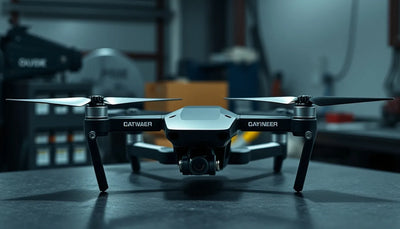
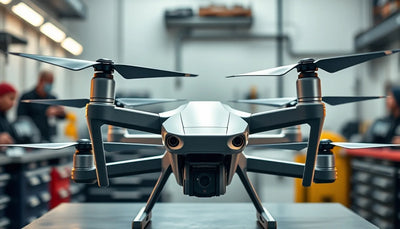
DJI Matrice 5T and 5TD naming split draws buyer attention
A Heliguy comparison highlights the distinction between DJI's Matrice 5T and 5TD enterprise models, prompting commercial operators to review which airframe fits their mission set before procurement or fleet expansion decisions.

Quick answer
Heliguy published a comparison explaining the difference between the DJI Matrice 5T and DJI Matrice 5TD enterprise drone models.
- The report focuses on naming and model differentiation within the Matrice 5 series.
- Commercial buyers should verify which variant matches their operational requirements before purchasing.
- The comparison highlights a product-line distinction relevant to fleet planning and procurement.
- Source-limited reporting means specific technical differences were not independently confirmed in this article.
The DJI Matrice 5 series has become a focal point for commercial drone operators evaluating their next enterprise airframe, and a fresh comparison from Heliguy has turned attention toward a specific question: what actually separates the DJI Matrice 5T from the DJI Matrice 5TD? The distinction matters because enterprise procurement decisions increasingly hinge on precise model alignment with mission requirements, not broad product-family assumptions.
Industrial drone procurement
Source a brand-new industrial drone for this mission.
Discuss mission fit, aircraft model, quantities, configuration, pickup, and lifecycle support with Reboot Hub.

According to Heliguy's industry report, the two designations represent distinct variants within the Matrice 5 lineup, and the naming split is significant enough to warrant a dedicated comparison. For fleet managers, repair planners, and procurement teams, understanding which airframe carries which capabilities can prevent costly misalignment between purchased hardware and operational demand. This article is based on the Heliguy comparison as the primary reporting source, with broader interpretation clearly labeled as Reboot Hub analysis.
The product-line distinction in context
Heliguy's comparison frames the Matrice 5T and Matrice 5TD as separate models within DJI's enterprise portfolio, not as interchangeable labels for the same aircraft. That distinction is operationally important because enterprise drone programs often standardize on a specific model for training, maintenance, spare parts inventory, and regulatory documentation. When two similarly named variants exist, procurement teams need to confirm exactly which one they are quoting, insuring, and registering.
The source report does not provide detailed technical specification tables in the material reviewed for this article, so Reboot Hub will not speculate on sensor payloads, thermal capabilities, transmission systems, or flight performance figures. What the comparison does establish is that DJI has created a product-line split that buyers must navigate deliberately. In commercial aviation and enterprise robotics, naming conventions often signal meaningful hardware or software differences, and the 5T versus 5TD distinction appears to follow that pattern.
For operators who manage mixed fleets, this kind of model differentiation has downstream consequences. Pilot training programs may need to account for variant-specific workflows. Maintenance schedules and OEM spare parts ordering can diverge between models. Even resale documentation and pre-owned listings must accurately reflect the exact variant to avoid misrepresentation. A buyer who assumes the 5T and 5TD are functionally identical risks purchasing an airframe that does not fully match the intended mission profile.
What this means for enterprise operators
Enterprise drone programs thrive on standardization. When a fleet runs a single airframe type, operators can streamline pilot currency, battery logistics, repair workflows, and spare parts holding. The emergence of a 5T and 5TD split within the Matrice 5 family means procurement teams cannot simply order "a Matrice 5" without specifying the variant. Heliguy's comparison serves as a reminder that model suffixes carry operational weight in DJI's enterprise naming structure.
The practical implication is straightforward: before issuing a purchase order, fleet managers should confirm the exact variant designation against the mission requirements documented in their operational plan. That confirmation should extend to insurance schedules, maintenance contracts, and any regulatory filings tied to the airframe. For organizations that rely on enterprise procurement support to align hardware with operational needs, Enterprise drone procurement support can help clarify model selection and fleet standardization questions before capital is committed. For teams translating this development into fleet planning, Enterprise drone procurement support helps scope mission fit, unit quantity, maintenance coverage, and lifecycle support.
Repair and parts planning also deserves attention. If the 5T and 5TD share certain airframe components but differ in payload or sensor modules, repair providers and in-house maintenance teams need to know which variant is in the hangar before ordering OEM-pulled parts or scheduling service. A misidentified variant can lead to incorrect parts procurement, extended downtime, and unnecessary expense. For pre-owned DJI market participants, accurate variant identification is equally critical, since a listing that fails to distinguish between the 5T and 5TD may attract the wrong buyer or create post-sale disputes.
Procurement and pre-owned market implications
The second-hand DJI market operates on trust and accurate documentation. When a manufacturer introduces closely named variants, the risk of listing errors increases. A seller who advertises a "Matrice 5T" when the airframe is actually a 5TD, or vice versa, creates a mismatch between buyer expectation and delivered hardware. That mismatch can affect resale value, buyer confidence, and the overall liquidity of the pre-owned enterprise drone segment.
For buyers in the pre-owned market, the Heliguy comparison underscores the importance of verifying variant-specific details before committing to a transaction. Requesting the original purchase documentation, checking the model designation on the airframe and controller, and confirming the installed payload configuration are reasonable due-diligence steps. Reboot Hub analysis suggests that as the Matrice 5 family matures, variant clarity will become a baseline expectation in pre-owned listings, much as it has for other DJI enterprise lines.
Fleet operators who plan to rotate aircraft out of service should also document variant information carefully at the time of acquisition. Clean records make future resale smoother and protect the residual value of the asset. In enterprise drone economics, residual value is not an afterthought; it is part of the total cost of ownership calculation that procurement teams use to justify capital requests. A well-documented 5T or 5TD with clear variant history will command more buyer interest than an ambiguous listing.
What buyers should verify before purchasing
Given the source-limited nature of this report, Reboot Hub recommends that commercial buyers treat the 5T versus 5TD distinction as a procurement checkpoint rather than a settled technical comparison. The Heliguy report establishes that the two variants exist and that the difference is meaningful enough to warrant explanation. Buyers should seek out the full comparison directly from Heliguy or from an authorized DJI enterprise dealer to understand the specific operational differences relevant to their missions.
Operators evaluating either model should ask three questions before finalizing a purchase. First, which variant matches the sensor and payload requirements of the primary mission set? Second, does the organization's maintenance and parts supply chain support the chosen variant? Third, how will the variant designation be recorded in fleet management, insurance, and resale documentation? Answering these questions reduces the risk of a procurement error that could take months to correct.
The broader takeaway for the commercial drone market is that DJI's enterprise product naming continues to evolve, and buyers cannot rely on assumptions when suffixes change. A disciplined procurement process that treats model variants as distinct SKUs will serve fleet operators better than one that treats them as cosmetic differences. The Heliguy comparison is a useful early signal that the Matrice 5 family requires careful navigation, and commercial buyers should respond with documentation-first purchasing discipline.
FAQ
Frequently asked questions
What is the difference between the DJI Matrice 5T and 5TD?
Heliguy published a comparison indicating that the Matrice 5T and Matrice 5TD are distinct variants within the Matrice 5 enterprise lineup. Specific technical differences were not detailed in the source material reviewed for this article, so buyers should consult the full Heliguy comparison or an authorized dealer for variant-specific specifications.
Should fleet managers treat the 5T and 5TD as separate procurement items?
Yes. Because the two designations represent distinct models, fleet managers should specify the exact variant in purchase orders, insurance schedules, maintenance records, and resale documentation to avoid misalignment between hardware and mission requirements.
How does the 5T and 5TD split affect the pre-owned DJI market?
Accurate variant identification becomes essential in pre-owned listings. Sellers who fail to distinguish between the 5T and 5TD risk buyer disputes and reduced resale value, while buyers should verify the exact model designation and installed configuration before completing a transaction.
Which sources support this update?
The article distinguishes reported information from analysis and does not present an unverified source as official confirmation.
What remains subject to change?
Retail pricing, availability, product bundles and regulatory timelines can change. Readers should verify the latest terms with the named retailer, manufacturer or regulator before acting.
How should buyers or operators use this analysis?
Use the verified facts as a starting point, then compare mission fit, lifecycle support, maintenance needs and current procurement terms before making a purchase or fleet decision.
Käytetyt lähteet
- Heliguy via Google News - primary source
Julkaisuhetkellä muita virallisia asiakirjoja ei ollut saatavilla.
Reboot Hub Editorial tarjoaa drone-omistajille ostaja-, huolto-, jälleenmyynti- ja toiminta-analyyseja. Jos huomaat virheen, ota meihin yhteyttä korjauspyynnön tekemiseksi toimituksellisen linjamme mukaisesti.